Die casting has emerged as a preferred method in manufacturing, particularly for global buyers seeking efficiency and quality. Experts often discuss its superiority. Dr. Jane Smith, a renowned authority in manufacturing processes, stated, "The precision and speed of die casting provide unmatched benefits over traditional methods." This encapsulates the growing interest in exploring what are the advantages of die casting over other processes.
Die casting offers dimensional accuracy and a smooth surface finish, which minimizes post-processing efforts. Its ability to produce complex shapes with intricate details is a game-changer for industries. Large production runs become more cost-effective, as the durability of the moulds contributes to lower long-term costs. However, it is essential to acknowledge that while die casting shines, it also has limitations. Not all metals are suitable, and initial setup costs can be high.
Understanding the nuances surrounding what are the advantages of die casting over other processes can help buyers make informed decisions. Ensuring the right material and design choice can yield the best results. While die casting presents compelling benefits, reflecting on specific requirements is vital for optimal outcomes.
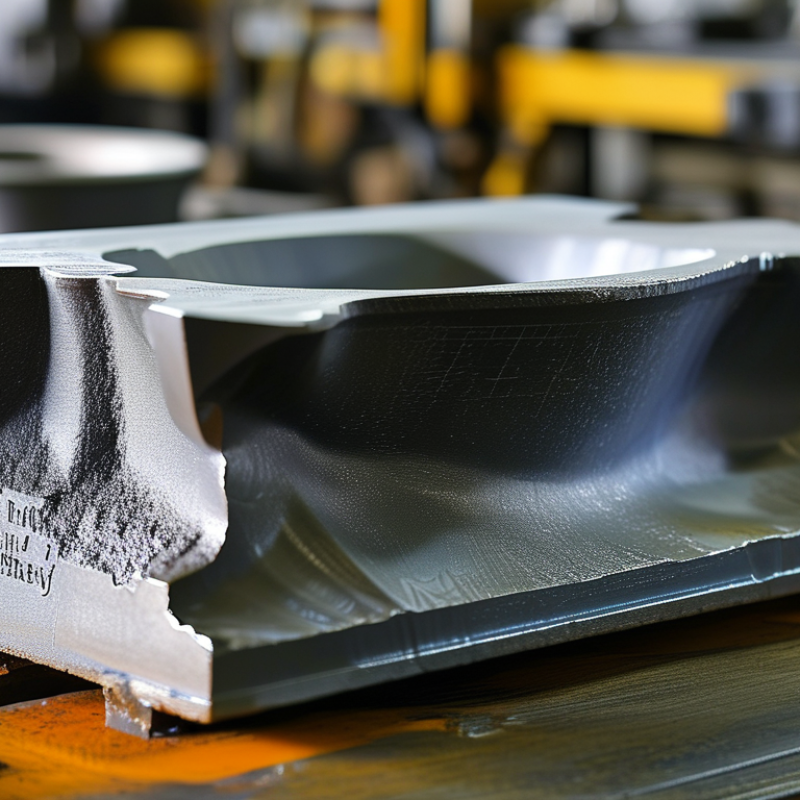
Key Benefits of Die Casting for International Buyers
Die casting offers compelling advantages for international buyers in various industries. This manufacturing process enables precision and efficiency. According to a recent report by the Global Die Casting Market, the industry is projected to grow by 4.5% annually over the next five years. This growth highlights its adoption in automotive and electronics sectors.
Cost efficiency is a significant benefit of die casting. The initial setup may seem high, but the long-term savings are substantial. The high production rates can reduce unit costs significantly. Furthermore, die casting creates strong, lightweight components. These parts often require less material, which can lead to decreased shipping costs.
Consistency and quality are also vital. Die casting produces parts with uniform thickness and minimal variation. However, it's important to consider potential defects, like porosity or surface imperfections. These issues can sometimes arise, impacting the final product. Buyers need a reliable partner with experience in quality control to minimize such risks.
Cost Efficiency in Die Casting: Maximizing Value in Production
Die casting is a popular manufacturing process known for its cost efficiency. This method allows for high precision and intricate design capabilities. By using reusable molds, manufacturers can significantly reduce material waste. This leads to lower production costs over time. Additionally, die casting can produce complex geometries that often eliminate the need for secondary machining.
The initial investment for die casting might seem high. However, the long-term savings are substantial. Production cycles are shorter, leading to quicker turnaround times. This efficiency can be especially advantageous for high-volume production runs. Global buyers benefit from the reduction in labor costs as automation plays a significant role in this process. Yet, there can be inconsistencies in quality if not monitored properly.
Buyers should consider the nuances of material selection. Depending on the alloy used, properties can differ significantly. While die casting offers many advantages, it is vital to choose the right partner. Lack of expertise can lead to defects, impacting overall value. Continuous improvement and quality checks are essential for maximizing benefits.
Enhanced Precision and Detail in Die Casted Components
Die casting offers remarkable precision in component manufacturing. The process ensures tight tolerances and intricate designs. This precision is key for industries like automotive and electronics. Components can have complex shapes without sacrificing integrity.
Using high-quality molds, die casting produces parts with smooth surfaces and defined edges. This level of detail enhances product aesthetics and functionality. Precision casting often reduces the need for additional machining. As a result, manufacturers can achieve lower production costs and faster turnaround times.
However, achieving this precision is not without challenges. Molds can wear out, impacting quality over time. Regular maintenance is crucial to address potential issues. Moreover, not all materials yield the same level of accuracy in the die casting process. Buyers must carefully choose their specifications and materials to optimize results. Balancing these factors can improve overall production efficiency and product quality.
Material Versatility: Choosing the Right Alloy for Applications
Die casting is gaining popularity due to its ability to work with various alloys. Buyers often face challenges when choosing the right material for their applications. Understanding material versatility can guide these decisions. Aluminum, zinc, and magnesium alloys stand out for their unique properties.
Aluminum offers lightweight solutions, while zinc alloys provide excellent corrosion resistance. Magnesium is favored for its superior strength-to-weight ratio. Each material has specific applications that suit it best. For instance, aluminum is ideal for automotive parts. Zinc is effective for small, intricate designs. Magnesium performs well in aerospace sectors.
Tip: Always assess the environment where the product will be used. Consider factors like temperature and exposure to chemicals.
Selecting the right alloy is crucial for functionality and longevity. Buyers must remain aware of the limitations of each material. What works for one project may not suit another. Regular reviews of material properties and their performance in the field are necessary.
Tip: Engage with industry experts to gain insights into new alloy developments. Networking can help you stay informed about advances in material technology.
Sustainability and Eco-Friendliness in Die Casting Processes
Sustainability is becoming essential in manufacturing. Die casting processes contribute significantly to eco-friendliness. They use recyclable materials like aluminum and zinc, minimizing waste. These metals can be melted down and reused, promoting a circular economy.
Energy efficiency is another key advantage. Die casting requires less energy compared to other manufacturing methods. It produces parts fast, reducing the overall carbon footprint. Additionally, die-cast products often have a longer lifespan. This longevity reduces the need for replacements, further conserving resources.
However, the die casting process is not without challenges. Some may argue that the initial setup costs are high. It requires skilled workers to manage the intricate processes. Continuous improvements in technology can help address these issues, enhancing sustainability. Companies must reflect on their practices to seek greener solutions.
Top 10 Advantages of Die Casting for Global Buyers - Sustainability and Eco-Friendliness in Die Casting Processes
| Advantage |
Description |
Environmental Impact |
| Precision |
Die casting provides high precision and repeatability in manufacturing. |
Reduced material waste due to high accuracy. |
| Material Efficiency |
Maximizes the use of raw materials. |
Lower energy consumption in material processing. |
| Sustainability |
Encourages recycling of materials. |
Reduced carbon footprint through the recycling process. |
| Reduced Finishing Time |
Minimizes the need for additional finishing processes. |
Less waste generation from finishing operations. |
| Durability |
Produces strong and durable components. |
Longer life cycle reduces replacement need. |
| Customization |
Easily customizable designs for diverse applications. |
Optimized designs can lead to less material use. |
| Cost-Effectiveness |
Economical for large production runs. |
Efficiency savings reduce resource consumption. |
| Fast Production Rates |
Offers rapid production capabilities. |
Quicker cycles reduce overall energy usage. |
| Diverse Material Options |
Supports a wide range of materials. |
Different materials allow for sustainable choices. |
| Improved Surface Finish |
Produces components with superior surface quality. |
Less processing required, lowering adverse impacts. |
FAQS
: Die casting provides precision, efficiency, and cost savings. It creates strong, lightweight components and reduces shipping costs.
The initial setup costs may be high, but the long-term savings through high production rates can be significant.
Die casting produces parts with uniform thickness and minimal variation, enhancing product quality.
Potential defects include porosity and surface imperfections. These issues can affect the final product's quality.
The process maintains tight tolerances and allows for complex designs, which is crucial for automotive and electronics industries.
Mold wear can affect quality over time. Regular maintenance is essential to maintain precision in the process.
By carefully selecting specifications and materials, manufacturers can optimize results and enhance product quality.
High-quality molds create parts with smooth surfaces and defined edges, improving both aesthetics and functionality.
Reliable partners help manage risks related to defects and maintain quality control throughout the production process.
Higher production rates in die casting can significantly reduce unit costs, making it a cost-effective manufacturing option.
Conclusion
Die casting offers a multitude of benefits that make it a preferred manufacturing process for global buyers. One key advantage is cost efficiency, where the ability to produce parts in large volumes leads to reduced costs per unit, maximizing value in production. Additionally, die casting provides enhanced precision and detail in components, ensuring high-quality output that meets strict tolerances. The method's material versatility allows manufacturers to choose the appropriate alloy for specific applications, accommodating a wide range of industry needs.
Moreover, sustainability is an increasingly vital aspect of die casting processes. By utilizing recyclable materials and reducing waste, this process aligns with eco-friendly practices, making it a responsible choice for manufacturers. In summary, when considering what are the advantages of die casting over other processes, factors such as cost savings, precision, material choice, and environmental consciousness emerge as critical differentiators that benefit international buyers in the competitive global market.

 Singer Cast