Aluminum vs Zinc How to Choose the Right Material?

Time:2026-11-14 Author:Mason
0%

Choosing between aluminum and zinc is not a contest with one universal winner. The right material depends on the part, its working conditions, and how it will be made. A lightweight bracket, a detailed die-cast housing, and an outdoor fitting face different demands. Small details matter.

Materials scientist Michael F. Ashby’s material-selection approach can be paraphrased this way: “Choose for the full design, not one standout property.” This is a paraphrase, not a verbatim quotation. It captures a useful habit: compare materials against real requirements, rather than relying on a single strength, price, or weight figure.

If you are researching how to choose between aluminum and zinc materials, start with the component’s job. Aluminum is often considered when low weight and corrosion resistance are important. Zinc alloys can suit parts that need intricate shapes, fine detail, or efficient die casting. But alloy, thickness, surface finish, manufacturing method, and exposure can change the outcome. A number on a datasheet rarely tells the whole story.

Ask practical questions. Will the part carry a load? Sit outdoors? Need a smooth finish? Be produced in high volumes? Compare total part cost, including tooling and finishing, not just raw material prices. Then check the relevant alloy data with a qualified engineer or supplier. There may be trade-offs you did not expect. That is normal. A careful choice is usually less tidy than a simple “aluminum versus zinc” verdict, and it should be tested against the actual design.
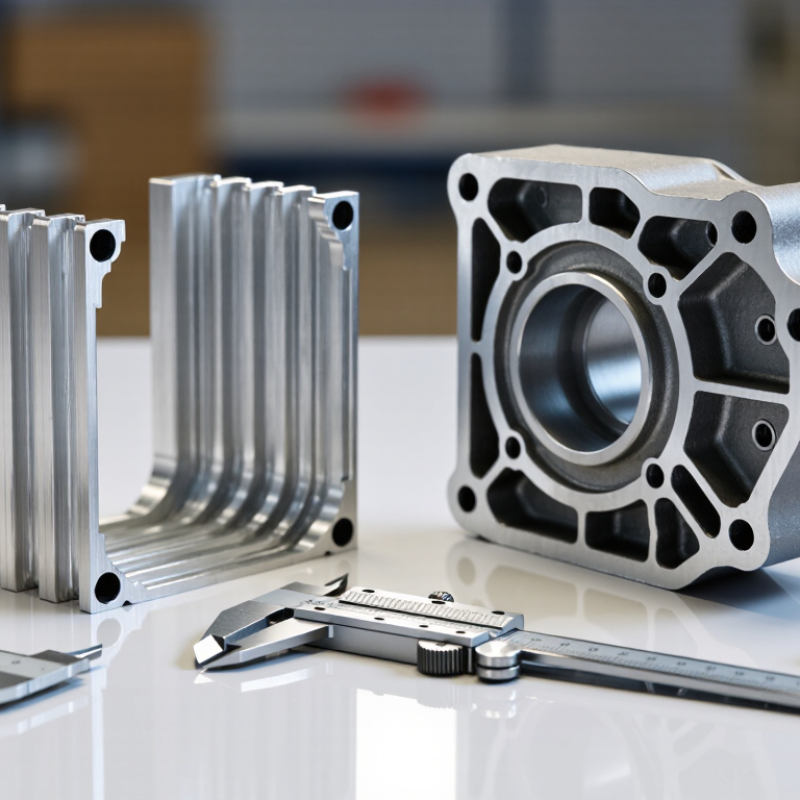
Aluminum vs Zinc How to Choose the Right Material?

Physical and Chemical Properties of Aluminum and Zinc

Aluminum and zinc feel very different in the hand. Aluminum has a density near 2.70 g/cm³, while zinc is about 7.14 g/cm³, according to standard materials data. For the same volume, zinc weighs more than twice as much. That difference matters in a handheld enclosure or a moving machine part. Aluminum melts at roughly 660°C; zinc melts near 419.5°C. These reference values are consistent with NIST thermochemical data and common engineering handbooks.

Their surfaces also behave differently. Aluminum quickly forms a thin oxide layer that slows further corrosion in many environments. Zinc develops a surface patina, often including basic zinc carbonate, which can protect the metal underneath. The U.S. Geological Survey’s 2025 Mineral Commodity Summaries documents zinc’s major role in corrosion-protective coatings; this is useful context, though coating performance depends on exposure and thickness. Neither metal is immune to corrosion. Salt, moisture, temperature, and contact with other metals can change the outcome.

Conductivity and fabrication deserve a closer look. Aluminum generally conducts heat and electricity better, while zinc’s lower melting point can suit pressure die casting. Yet alloy choice changes strength, flow, and corrosion behavior. Small details matter. A material comparison based only on density or price can miss the real failure point. I would check the service temperature, joint design, and surrounding environment before choosing. That step is sometimes overlooked.

Strength, Weight, Corrosion Resistance, and Durability

Aluminum and zinc can both make dependable parts, but they behave differently under load. Aluminum is much lighter, making it useful for housings, brackets, and components that move often. Its strength varies by alloy and temper, so compare specific grades rather than relying on the metal name alone. Weight matters.

Zinc alloys are denser, yet they suit compact, detailed castings. A small latch or connector may benefit from zinc’s casting accuracy and sturdy feel. Aluminum usually offers a better strength-to-weight balance for larger parts. Neither material is automatically stronger in every design; shape, thickness, and manufacturing method matter too.

Both metals resist corrosion, though not in exactly the same conditions. Aluminum forms a protective oxide layer, but salt, trapped moisture, or contact with dissimilar metals can still cause trouble. Zinc can protect steel through sacrificial action, while zinc alloy parts may need a suitable finish in damp or abrasive settings. Durability also depends on wear, impact, temperature, and maintenance. A part used outdoors deserves testing in realistic exposure, not just a quick visual check. The awkward truth: material charts cannot predict every failure. Compare the finished component’s load, environment, and expected service life before choosing.

Aluminum vs. Zinc: How to Choose the Right Material

Representative tensile strength and density values for Aluminum 6061-T6 and Zamak 3 zinc alloy.

Aluminum 6061-T6 is much lighter, while the representative tensile-strength values shown are similar. Both materials can resist corrosion, but performance depends on the alloy, finish, and environment. For long-term durability, consider the part’s loads, exposure, wear, and maintenance needs. Values are typical published figures and vary by product and condition.

Manufacturing Methods and Common Applications

Aluminum vs Zinc: How to Choose the Right Material?
Manufacturing Methods and Common Applications

Manufacturing choices shape how aluminum and zinc perform in real products. Aluminum is commonly rolled into sheet, extruded into long profiles, or cast into complex forms. Those routes suit window frames, heat sinks, vehicle panels, and lightweight housings. Zinc alloys are especially suited to die casting, where molten metal fills detailed steel molds. The process can produce small features, thin walls, and consistent dimensions. That matters for handles, connectors, and compact mechanical parts.

The scale of each material industry is substantial. The USGS Mineral Commodity Summaries 2024 reports estimated 2023 world primary aluminum production of about 70 million metric tons, compared with roughly 13 million metric tons of refined zinc. These figures describe production, not the best material for every part. Zinc’s lower melting temperature can support efficient die casting, while aluminum’s lower density helps reduce component weight. A useful distinction.

For a lightweight frame or broad formed panel, aluminum often makes practical sense. For a small, intricate component produced in high volumes, zinc die casting may reduce machining and assembly steps. Tooling cost, part size, operating temperature, and required strength still need checking. One detail is easy to overlook: a material that casts neatly may not suit a thin, flexible design. The choice is rarely automatic. A prototype can reveal gaps in the design assumptions.

Cost, Availability, and Environmental Considerations

Aluminum vs Zinc: How to Choose the Right Material?
Cost, Availability, and Environmental Considerations

Cost depends on more than the metal price. Alloy, finish, fabrication, transport, and required maintenance can change the final bill. The USGS Mineral Commodity Summaries 2025 estimates 2024 global primary aluminum production at about 72 million metric tons, and zinc mine production at about 12 million. These figures describe different stages of supply, so they are not a direct availability comparison. Still, they show aluminum’s much larger primary-production base. Check local stock and lead times; a common alloy can be cheaper to source than a specialized grade.

Environmental impact also depends on the product’s full life cycle. The International Aluminium Institute reports that recycling aluminum takes about 5% of the energy required for primary production. That is a strong advantage when clean scrap and established recycling routes are available. Zinc can make sense in protective coatings, where longer service life may reduce replacement needs. I would not choose by recycled content alone; transport distance, manufacturing scrap, and product lifespan matter too.

Tip: Request quotes for the exact alloy, dimensions, finish, and order quantity. Compare delivered cost and documented recycled content, then check whether local recyclers accept the finished product. Small details matter. A material that looks cheaper on paper may not stay cheaper after processing.

Aluminum vs. Zinc: How to Choose the Right Material? — Cost, Availability, and Environmental Considerations

Comparison factor Aluminum Zinc What this means for your choice
Density and weight About 2.70 g/cm³; relatively lightweight. About 7.14 g/cm³; roughly 2.6 times as dense as aluminum. Choose aluminum when low weight is important. Zinc’s higher density may be useful where mass or a solid feel is desired, but it increases part weight.
Melting point About 660°C for pure aluminum. About 419.5°C for pure zinc. Zinc melts at a lower temperature, which can suit die-casting processes. Confirm that the chosen alloy meets the part’s operating-temperature requirements.
Raw-material cost Often lower per kilogram than zinc, though market prices change. Often higher per kilogram than aluminum, with prices also subject to market changes. Compare current supplier quotes and total part cost, not just price per kilogram. Density, scrap yield, tooling, finishing, and production volume all affect cost.
Availability Produced and used at very large scale, with broad availability in common grades and forms. Widely used, especially for galvanizing and die-casting, but produced in lower quantities than aluminum. Both are established materials. Aluminum may offer more options for sheet, plate, and extrusion; zinc availability depends more on the required alloy and product form.
Corrosion protection Forms a thin, adherent oxide layer that helps protect the surface. Performance varies with alloy and environment. Corrodes preferentially to protect steel when used as a zinc coating; exposed zinc develops protective corrosion products in many environments. Choose based on the application and exposure. Zinc coatings are commonly used to protect steel; aluminum alloys may need suitable coating or design measures in severe environments.
Recycling Highly recyclable. Recycling aluminum typically uses far less energy than producing primary aluminum from ore. Recyclable and recoverable from products such as galvanized steel and zinc die-cast parts. Both can support circular-material strategies when collection and separation systems are available. Clean, well-identified scrap improves recovery.
Environmental considerations Primary production is energy-intensive, and bauxite mining affects land. Recycled content and lower-carbon electricity can reduce impacts. Mining and processing can affect land and water; smelting also uses energy. Recycling and responsible mine management can reduce impacts. Assess the full life cycle, including recycled content, electricity mix, mining practices, transport, product life, and end-of-life recovery.
Common fit Lightweight structures, transport components, packaging, and products requiring sheet or extrusion forms. Die-cast components, corrosion-protective coatings for steel, and applications where zinc’s casting behavior is suitable. Start with functional requirements—weight, manufacturing method, service environment, and expected life—then compare supplier quotes and environmental data for the specific grade.

Note: Cost and availability are market- and location-dependent. Figures shown are typical material properties for the pure metals; commercial alloys can differ. Verify current prices, specifications, and life-cycle data for the exact material and product form.

How to Choose Between Aluminum and Zinc for Your Project

Aluminum vs Zinc: How to Choose the Right Material?

Choosing between aluminum and zinc starts with the part’s job, not a general “better” material. Aluminum is much lighter, making it useful for housings, frames, and components that must move easily. Zinc is denser and often suits small die-cast parts where fine details and consistent dimensions matter. Weight matters. So do shape, production volume, finishing needs, and the conditions the part will face.

Recycled content can also affect a project’s footprint. The International Aluminium Institute reports that recycling aluminum can use up to 95% less energy than producing primary aluminum. That figure describes energy use, not every environmental impact, and actual results depend on the scrap and process. Zinc may be a practical choice when its casting behavior and corrosion performance fit the design. A simple material ranking can mislead; check the part’s actual loads, exposure, and tolerances.

Tips: Ask suppliers for material specifications and test sample parts under realistic conditions. Compare total part cost, including tooling, finishing, and shipping—not just the price per kilogram. If weight is critical, aluminum often deserves a closer look. If intricate casting is the priority, evaluate zinc. Small design changes can shift the answer.

FAQS

Which metal is lighter for the same-sized part?

Aluminum has a density near 2.70 g/cm³, compared with zinc at about 7.14 g/cm³. Zinc weighs more than twice as much for the same volume. A handheld housing makes the difference noticeable.

How do aluminum and zinc handle corrosion?

Aluminum forms a thin oxide layer, while zinc can develop a protective surface patina. Neither metal is immune. Salt, moisture, and contact with other metals can change performance.

Which metal conducts heat and electricity better?

Aluminum generally conducts both heat and electricity better than zinc. For a heat sink, that can matter. Alloy and design still affect real-world results.

When is zinc a good choice for manufacturing?

Zinc alloys work well for detailed, high-volume die-cast parts. They can form thin walls and small features, such as on a compact connector. Check tooling costs and operating temperature.

When might aluminum suit a project better?

Aluminum is often practical for lightweight frames, window profiles, and broad panels. It can be rolled, extruded, or cast. Lower weight may help moving parts.

Does melting temperature affect the choice?

Yes. Aluminum melts near 660°C, while zinc melts around 419.5°C. Zinc’s lower melting point can suit pressure die casting, but service temperature still needs checking.

Which material is more sustainable?

Recycling aluminum can use up to 95% less energy than producing primary aluminum. Actual results depend on scrap and processing. That figure does not cover every environmental impact.

What should I check before selecting a material?

Compare part weight, loads, tolerances, exposure, finishing, tooling, and shipping costs. Ask for specifications and test sample parts in realistic conditions. I would still verify the assumptions; a neat casting can hide a weak design.

Conclusion

Choosing between aluminum and zinc depends on the demands of your project. Aluminum is lightweight, generally strong for its weight, and naturally resistant to corrosion, making it useful for structures, transportation components, and products exposed to outdoor conditions. Zinc is heavier and often valued for its durability, protective surface behavior, and suitability for cast parts with detailed shapes. Each material has different physical and chemical properties, so strength, weight, exposure to moisture, and expected service life should be considered together.

Manufacturing methods, availability, and total cost can also influence the decision. Aluminum is commonly formed, machined, and extruded, while zinc is often selected for casting applications. Environmental factors, including material efficiency and potential for recycling, may matter as well. To determine how to choose between aluminum and zinc materials, compare the required performance with production needs, budget, and intended use rather than relying on a single property.

Mason

Mason

Mason is a seasoned marketing professional with a deep expertise in the company's offerings and a passion for driving brand awareness. With a strong background in digital marketing strategies, he has an innate ability to connect with diverse audiences and effectively communicate product benefits.......