2026 Best Tips for Solving Common Problems in Metal Casting?

Time:2026-05-11 Author:Henry
0%

Metal casting is a vital process in manufacturing, contributing to various industries. According to a report by the American Foundry Society, the metal casting industry generates more than $33 billion in annual revenue in the U.S. However, it is not without challenges. Many manufacturers face setbacks that can impact quality and efficiency. This raises the question: what are common problems in metal casting?

Issues such as porosity, shrinkage, and inadequate mold design often arise. A study from the Foundry Educational Foundation identified that 50% of castings produced have issues that could be avoided. These challenges highlight the importance of understanding the root causes and implementing effective solutions. Failure to address these problems can lead to increased costs and longer lead times.

In exploring solutions, knowledge of techniques and industry best practices is crucial. By sharing insight and experiences, manufacturers can refine their processes. An emphasis on quality control and technology adoption can lead to significant improvements. Addressing these common pitfalls not only enhances production but also strengthens the entire metal casting value chain.
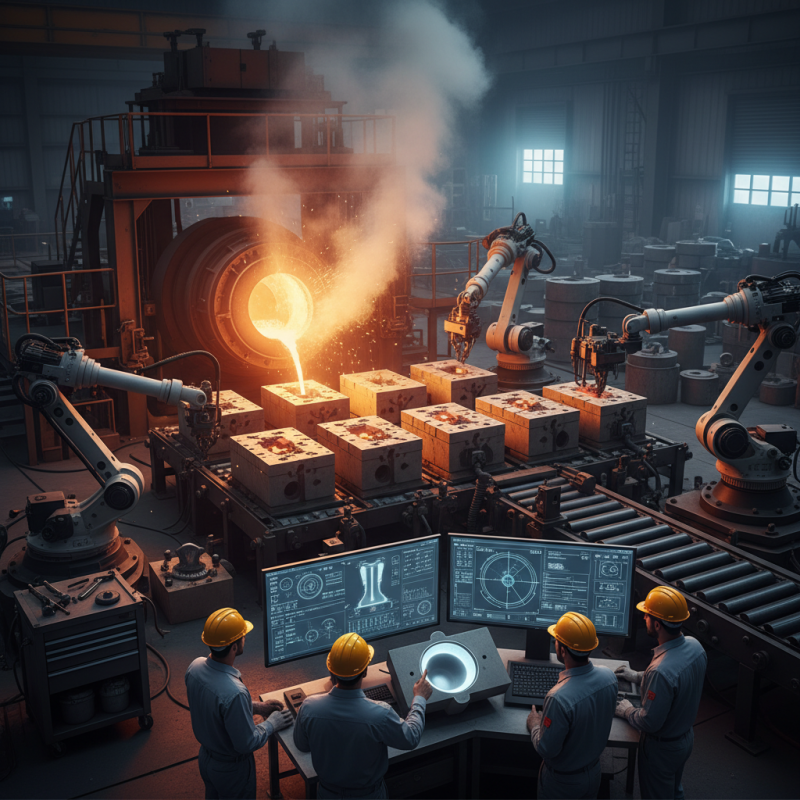
2026 Best Tips for Solving Common Problems in Metal Casting?

Understanding Common Challenges in Metal Casting Processes

Metal casting is a complex process, often facing various challenges. Common issues include defects like porosity, inclusions, and dimensional inaccuracies. According to a study by the American Foundry Society, about 30% of castings have significant quality issues. This statistic highlights the critical need for addressing these problems effectively.

Porosity, for instance, can lead to weak spots in castings. It arises from trapped gas during solidification. Understanding this can help in implementing design changes or controlling the melting process better. Inclusions, which are unwanted materials within the metal, often compromise structural integrity. The foundry should focus on raw material quality to reduce these occurrences.

Another challenge is dimensional accuracy, which is vital for fitting components together. A survey showed that 50% of manufacturers experience issues with tolerances. Investing in advanced measurement tools and enhancing communication within the production team can mitigate these difficulties. Reflecting on these challenges can pave the way for innovative solutions in metal casting.

Common Challenges in Metal Casting Processes

Identifying Types of Defects in Metal Castings and Their Causes

Metal casting defects can significantly affect product quality and production efficiency. Understanding these defects is vital for improvement. Some common defects include misruns, cold shuts, and gas porosity. Misruns occur when molten metal fails to fill the mold completely. This often happens due to low pouring temperatures or incorrect gating design. Cold shuts arise when two streams of molten metal meet without proper fusion, commonly caused by low flow rates or improper timing.

Gas porosity is another prevalent issue in metal castings. It results from trapped gas in the molten metal, creating voids in the final product. One of the primary causes is moisture in the mold or core materials. This defect can lead to reduced strength and durability. Identifying these issues often requires careful inspection and analysis of casting processes. Reflecting on past mistakes can guide improvement. Small adjustments can have significant impacts, yet not all faults are easily traceable. Consistent monitoring and a proactive approach are essential to minimize defects and enhance overall casting quality.

Step-by-Step Strategies for Prevention and Correction of Casting Issues

Metal casting is a complex process that requires meticulous attention to detail. To prevent common casting issues, it's crucial to focus on the individual steps involved. Start by ensuring proper mold preparation. Molds should be clean and free of debris. A contaminated mold can lead to defects, such as surface imperfections. Regular inspections and maintenance can help identify these problems before casting begins.

Another important aspect is the material mix. The right combination of materials affects the final product's strength and quality. Monitor the temperature and pour rate carefully to avoid problems like air bubbles or splashing. Unexpected variations during these processes can introduce weaknesses in the casting. Conducting small test pours can provide insights and help adjust techniques for more consistent outputs.

Sometimes, despite the best preparations, issues arise in casting. It is vital to analyze any defects critically. Identifying whether the problem stems from equipment failure, human error, or material inconsistency allows for targeted corrections. Documenting these failures and reviewing them regularly can lead to process improvements. Reflecting on setbacks will enhance future outputs and develop a culture of continuous learning within the team.

Essential Tools and Techniques for Quality Control in Metal Casting

Quality control in metal casting is crucial to ensure the final product meets specifications. Effective tools and techniques play a significant role in this process. Regular inspections and standardized testing methods help identify defects early. Simple visual inspections can reveal surface irregularities. However, more advanced tools like ultrasonic testing offer a deeper insight.

Temperature control is vital during casting. Inconsistent temperatures can lead to issues like warping or shrinkage. Implementing thermocouples allows for real-time monitoring. Using them can improve a foundry's efficiency. Yet, maintaining equipment requires ongoing maintenance and assessment.

Documentation of each casting cycle is essential. It creates a record of processes and anomalies. This practice allows for better troubleshooting in the future. While everyone aims for perfection, errors will occur. Identifying recurring issues can foster learning. Engaging teams in discussions about mistakes encourages proactive adjustments and improvements.

2026 Best Tips for Solving Common Problems in Metal Casting

Issue Causes Solutions Essential Tools
Porosity Gas trapped during solidification Increase pouring temperature and decrease pouring speed Thermocouples, pressure gauges
Inclusions Contamination from sand or metal Improve cleaning processes, use filters Metal filters, cleaning tools
Warpage Uneven cooling Optimize mold design and cooling rate Cooling fans, mold temperature controllers
Surface Finish Issues Poor mold surface condition Regular maintenance and polishing of molds Polishing wheels, surface analyzers
Dimensional Tolerances Shrinkage and mold misalignment Regular calibration and control measures Measurement tools, alignment jigs

Best Practices for Continuous Improvement in Casting Operations

In the metal casting industry, continuous improvement is essential for overcoming common challenges. Emphasizing efficient operations ensures better quality and higher yields. According to a recent report by the American Foundry Society, implementing lean manufacturing principles can reduce waste by up to 35%. This approach not only enhances productivity but also lowers operational costs.

One effective tip for improvement is to invest in training. Skilled workers can identify issues quickly, preventing costly defects. Statistics show that companies with robust training programs see a 25% decrease in operational errors. Another crucial aspect is regular maintenance of equipment. A well-maintained machine is less likely to contribute to defects. Establishing a routine schedule can extend equipment life and ensure consistent output.

Data analysis is becoming a vital tool in casting operations. By analyzing production metrics, companies can spot trends and adjust processes accordingly. However, relying solely on past performance can create blind spots. Always be ready to experiment with new methods. The blending of traditional practices and innovative technologies can lead to breakthroughs that overcome persistent issues.

FAQS

: What are some common challenges in metal casting?

: Common challenges include defects like porosity, inclusions, and dimensional inaccuracies. These issues can affect the overall quality significantly.

How does porosity affect castings?

Porosity results in weak spots. It occurs when gas gets trapped during the solidification process.

Why are inclusions problematic in metal casting?

Inclusions are unwanted materials within the metal. They can compromise the structural integrity of the final product.

What role does dimensional accuracy play in metal casting?

Dimensional accuracy is vital for fitting components. Issues with tolerances can lead to assembly problems in manufacturing.

How can manufacturers improve their processes?

Investing in advanced measurement tools and improving communication can help alleviate dimensional accuracy issues.

Why is training important in casting operations?

Training workers can lead to quicker issue identification. This can prevent costly defects and improve overall output quality.

What maintenance practices should be implemented?

Regular maintenance of equipment is crucial. A well-maintained machine can enhance consistent output and reduce defects.

How does data analysis benefit casting operations?

Analyzing production metrics helps identify trends. But reliance on past data may create blind spots in decision-making.

Is experimenting with new methods important?

Yes, experimenting can lead to breakthroughs. Blending traditional practices with innovation can offer effective solutions to challenges.

What is a consequence of ignoring continuous improvement?

Ignoring improvement can increase operational errors and reduce quality over time. This may lead to higher operational costs.

Conclusion

Metal casting is a complex process that often presents various challenges. In addressing "what are common problems in metal casting," the article outlines several key challenges associated with metal casting processes, such as defects in the castings and their underlying causes. These defects can range from surface imperfections to structural weaknesses, each stemming from factors like mold design, pouring temperature, and cooling rates.

To effectively tackle these issues, the article provides step-by-step strategies for preventing and correcting casting problems. Essential tools and techniques for quality control are also discussed, emphasizing the importance of regular inspections and testing. Additionally, best practices for continuous improvement in casting operations are highlighted, ensuring that manufacturers can enhance their processes and produce higher quality castings consistently.

Henry

Henry

Henry is a dedicated marketing professional with a profound expertise in the company's offerings. With years of experience in the industry, he possesses an impressive understanding of the market dynamics and consumer behaviors that drive success. Henry is committed to sharing his insights through......