In the world of manufacturing, maintaining high-quality standards is crucial. Casting production often faces challenges, especially defects that compromise the final product. Understanding how to reduce defects in casting production is essential for manufacturers seeking efficiency and reliability. The journey starts with identifying common issues, such as improper mold design or insufficient material quality.
By focusing on these areas, one can prevent defects before they occur. Experience plays a vital role in this process. Seasoned professionals can offer insights into practical solutions that are not always evident to newcomers. Moreover, continuous monitoring and adjustment are necessary. Even minor oversights can lead to significant flaws in the output.
Investing time in training and using advanced technologies can also enhance overall production quality. However, it’s important to note that no method is foolproof. Trial and error often reveal the best strategies. By fostering a culture of quality and learning from mistakes, companies can improve their processes and, importantly, their final products.
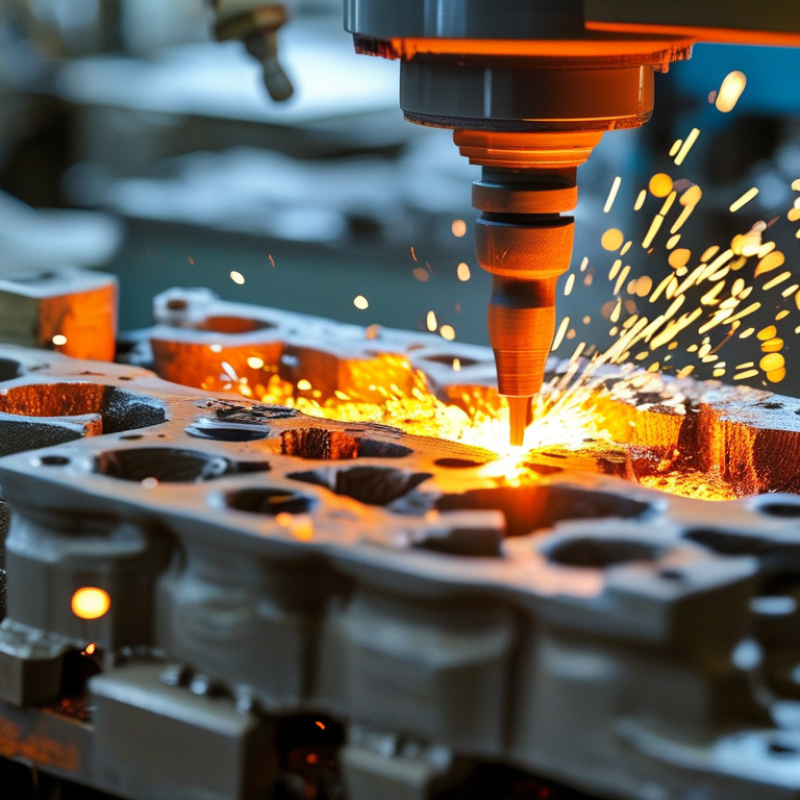
Casting production is an intricate process that often encounters various defects. Understanding these defects can significantly enhance production quality. Common issues include porosity, shrinkage, and misalignment.
Porosity refers to tiny holes in the metal, which weaken the final product. It can arise from trapped gases during solidification. Addressing the mold design and melt temperature can mitigate this problem.
Shrinkage occurs when metal cools and solidifies. It may create internal voids, impacting strength. Maintaining proper cooling rates helps in minimizing shrinkage defects.
Misalignment can lead to poor fitting and assembly issues. Ensuring precise patterns and molds is crucial to reducing this defect. Regular calibration of equipment can offer a more consistent result.
Reflecting on these challenges is vital. Many manufacturers overlook the importance of training staff on defect identification. A well-trained team can spot issues early. Establishing a culture of continuous improvement fosters better production outcomes. Regular audits of the casting process can also identify recurring problems, driving innovation and efficiency. Observing these potential pitfalls contributes to reducing defects significantly in casting production.
Identifying the root causes of casting defects is crucial for improving production quality. Common defects include porosity, shrinkage, and dimensional inaccuracies. Each defect has specific reasons behind it. For instance, porosity often results from trapped gas. Ensuring that the melting process is properly managed can help to minimize this issue. Temperature fluctuations can also affect the metal's properties during solidification.
Another frequent defect is shrinkage, which occurs as metal transitions from liquid to solid. This can lead to cavities and surface imperfections. Controlling the cooling rate is essential. Rapid cooling may cause stress and further defects. Understanding the solidification process helps identify potential problems early on.
Moreover, dimensional inaccuracies can stem from variations in mold design or the materials used. A detailed inspection of the mold material and its condition can reveal hidden issues. Regular maintenance of equipment is important. A knowledgeable team can conduct thorough assessments to find the underlying causes of defects. By focusing on these factors, companies can work toward reducing defects and enhancing overall product quality.
Quality control measures play a vital role in reducing defects in casting production. Implementing robust inspections can identify issues early. Regular checks can uncover flaws that may not be visible initially. Using precise gauges and measuring tools helps ensure accuracy in dimensions. Operators should be trained to recognize signs of irregularities during the casting process.
Incorporating feedback loops is essential. Engaging team members in discussions about defects encourages a culture of quality. Mistakes should be openly analyzed to prevent recurrence. Tracking defect rates over time can offer insights into patterns. This allows teams to address root causes rather than just symptoms.
Documentation of processes is another key aspect. Keeping detailed records helps maintain consistency. It also aids in training new personnel. However, there might be inconsistencies in documentation practices. Regular audits of these records can help reinforce accountability. Quality management should be an ongoing process, not a one-time effort. Implementing these measures can lead to significant improvements in casting production quality.
This chart illustrates the major causes of defects in casting production processes, highlighting areas where quality control measures can be implemented effectively to reduce defects and improve overall production quality.
The quality of casting production significantly relies on materials and design. Material selection plays a crucial role in minimizing defects. According to the American Foundry Society, nearly 70% of defects stem from improper material choices. Using high-quality, standardized alloys can dramatically improve casting outcomes. Research shows that certain metal compositions reduce porosity, enhancing density and strength.
Design considerations are equally vital. A well-thought-out design minimizes stress concentrations. The International Journal of Casting Technology highlights that incorporating uniform wall thickness improves flow characteristics and reduces the likelihood of shrinkage defects. Complex geometries, however, increase risks. They may trap gases, leading to inclusions. A balance must be struck between functionality and manufacturability in the design phase.
Prototyping and simulation technologies can identify potential issues early. Yet, they may not capture every aspect of real-world conditions. Continuous refinement of both materials and design is required. Many foundries overlook the iterative nature of this process. It is essential to gather feedback and adapt. Only then can casting quality improve, resulting in reduced defects and enhanced performance.
Training and developing a skilled workforce is crucial for reducing defects in casting production. According to a 2022 industry report, approximately 30% of defects arise from human error. Investing in training can significantly minimize these issues. Rather than solely relying on automation, companies must focus on enhancing their team's skills and competencies. Training programs that emphasize quality control and process understanding are essential.
Incorporating regular workshops can help reinforce best practices. Tips for effective training include using hands-on experiences and simulations. This practical approach allows workers to familiarize themselves with potential defect scenarios. Engaging employees in problem-solving discussions can also lead to better outcomes. A knowledgeable workforce is more likely to identify flaws before products reach the market.
Moreover, continuous education should be a priority. Industry trends change rapidly, and staying updated is vital. Surveys indicate that 45% of manufacturing professionals believe ongoing training directly impacts product quality. By fostering a culture of learning, companies not only reduce defects but also enhance overall productivity. As the industry evolves, companies must adapt their workforce development strategies accordingly.
: Common defects include porosity, shrinkage, and dimensional inaccuracies. Each defect has unique causes.
Porosity often arises from trapped gas. Managing the melting process can reduce this issue.
Shrinkage happens when metal moves from liquid to solid. It may create cavities and surface imperfections.
Cooling rate affects stress levels during solidification. Rapid cooling can lead to additional defects.
Regular mold inspections can identify issues. Evaluating materials and mold design is crucial.
Quality control helps detect defects early. Inspections uncover flaws that may go unnoticed initially.
Skilled workers can minimize errors. Approximately 30% of defects stem from human mistakes.
Hands-on experiences and simulations are beneficial. Engaging employees in discussions also leads to better outcomes.
Detailed documentation practices help ensure consistency. Regular audits reinforce accountability in production processes.
Industry trends evolve rapidly. Continuous education impacts product quality and keeps skills updated.
To effectively address the challenge of how to reduce defects in casting production, it's crucial to first understand the common defects that arise during the casting process. By identifying root causes such as material inconsistencies, poor design, and inadequate processing techniques, manufacturers can take targeted actions to mitigate these issues. Implementing robust quality control measures throughout the casting process allows for the early detection of defects, ensuring that any problems are resolved before they escalate.
Additionally, enhancing the quality of materials and design plays a significant role in producing better castings. By using advanced materials and optimizing design parameters, manufacturers can improve the overall quality of the final product. Finally, investing in training and developing a skilled workforce is essential for effective defect reduction. A knowledgeable team equipped with the right skills can significantly contribute to the precision of casting operations, further minimizing defect rates and improving production efficiency.

Singer Cast