In the dynamic landscape of industrial manufacturing in China, understanding what certifications are required for industrial components is essential for businesses. These certifications ensure products meet specific safety, quality, and regulatory standards. Companies unfamiliar with these requirements may face significant challenges, including delays and financial losses. Thus, navigating the certification process is critical for market success.
Many industry players overlook the importance of proper certification. It can lead to compliance issues and market access problems. Furthermore, with recent changes in regulations, staying updated is a continuous struggle. Companies must be proactive and seek reliable information about certification requirements.
As markets evolve, the need for robust and transparent certifications becomes even more pronounced. Ensuring that industrial components are certified not only builds trust with customers but also facilitates international trade. However, the ever-changing landscape offers a learning curve. Businesses might find it difficult to adapt quickly. It's vital to continually assess the certification landscape to maintain relevance and compliance.
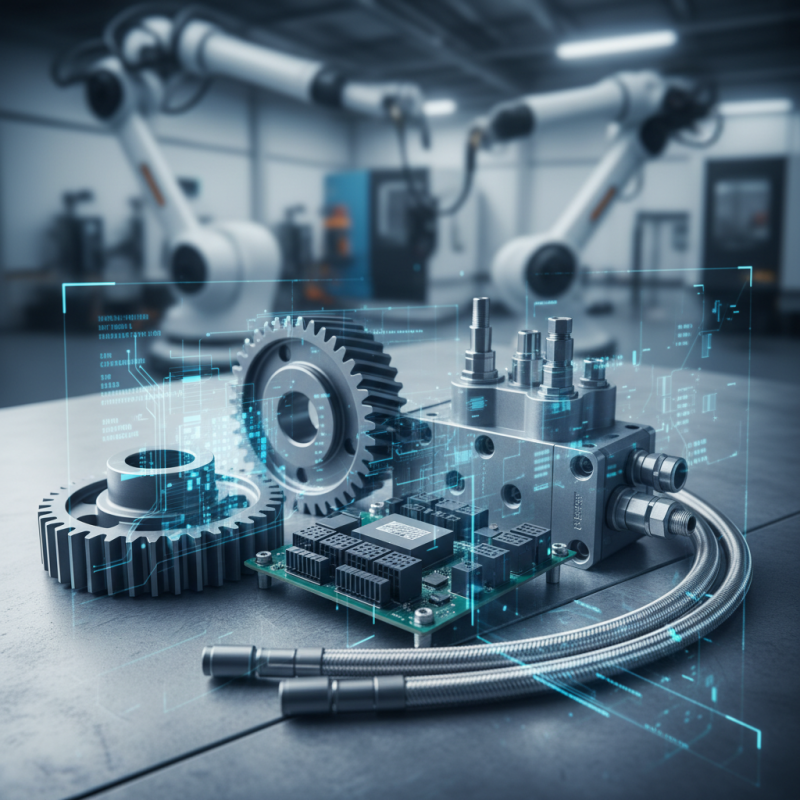
Types of Industrial Components Requiring Certification in China
In China, various industrial components require certification to ensure safety and compliance. Key sectors include electrical equipment, machinery, and construction materials. According to a report by the China National Certification and Accreditation Administration, over 30% of electrical components face stricter regulations than five years ago. This demonstrates the evolving landscape of certification standards.
The electrical sector mandates certifications like the China Compulsory Certification (CCC). This requirement affects a wide range of products, from transformers to circuit breakers. Similarly, machinery components, particularly those used in manufacturing, must adhere to strict guidelines. A recent study indicated that incorrect certification led to a 10% increase in operational failures in industrial settings.
Construction materials, such as steel and concrete, also need certification. The Ministry of Housing and Urban-Rural Development states that about 20% of construction projects do not meet the certification criteria. This raises concerns about safety and quality across the industry. Companies may overlook these requirements, leading to serious repercussions. Awareness and compliance with certification processes remain critical for industrial success.
Overview of Regulatory Bodies for Industrial Component Certifications
In China, various regulatory bodies oversee the certification of industrial components. These organizations ensure products meet specific safety and quality standards. The primary agencies include the National Certification and Accreditation Administration (CNCA) and the Ministry of Industry and Information Technology (MIIT). They play crucial roles in establishing regulations that govern the manufacturing and import of industrial goods.
When seeking certifications, manufacturers often face a complex system. Different components require different certifications. For example, electrical components must comply with the GB standards, which define safety and performance criteria. Moreover, understanding the required documentation can be challenging. Many manufacturers overlook the necessary testing procedures, leading to delays.
The process can appear daunting. Some companies struggle to navigate the certification landscape effectively. Misunderstandings about the requirements can result in compliance issues. It’s vital to conduct thorough research and perhaps seek assistance from local experts. Engaging with regulatory bodies early can prevent significant setbacks later in the process. The commitment to achieving proper certifications ultimately fosters trust in the market.
Key Certifications Needed for Electrical and Electronic Components
In China, the electrical and electronic components sector requires specific certifications to ensure safety and quality. One of the most important certifications is the China Compulsory Certificate (CCC). This certification is mandatory for various electrical products, including wiring devices and power supply equipment. According to a report by the Ministry of Industry and Information Technology, around 60% of electrical components in China are compliant with CCC standards, reflecting significant industry efforts in quality assurance.
Another crucial certification is the China Energy Label (CEL). This label helps consumers identify energy-efficient products. Research shows that components with the CEL can save up to 30% more energy than their non-certified counterparts. However, obtaining this certification can be challenging. Many manufacturers face difficulties in navigating the complex approval process. The rapid pace of technological advancements often outdates existing standards, leading to inconsistencies.
Additionally, the China RoHS (Restriction of Hazardous Substances) directive aims to limit hazardous materials in electronic products. It requires manufacturers to declare that their components comply with the regulation, yet compliance rates are only about 50% in some sectors. Many companies struggle with material sourcing and testing requirements. They often find themselves in a reactive position regarding compliance, rather than being proactive. This presents an ongoing challenge to maintain quality while adhering to regulations.
Necessary Certifications for Mechanical and Structural Components
In China, mechanical and structural components require various certifications to ensure safety and performance. One crucial requirement is the China Compulsory Certification (CCC). This certification applies to many products and ensures compliance with national safety standards. According to industry reports, about 40% of manufacturers face delays in obtaining the CCC due to incomplete documentation.
Another important certification is the ISO 9001, which addresses quality management systems. Companies with this certification can enhance their operational efficiency and customer satisfaction. A significant percentage of firms, around 30%, fail to meet these criteria initially. This highlights the need for improvement in quality assurance processes.
Tips for navigating these certification requirements include thoroughly understanding the documentation needed for each certification. Prioritizing quality management from the start can streamline the certification process. Engaging with local experts or consultants might provide insight into specific regional needs. Continuous learning and adaptation are vital for remaining compliant in a changing regulatory landscape.
Impact of Compliance on Market Entry for Industrial Products in China
Entering the Chinese market demands strict adherence to compliance standards. Certifications for industrial products are crucial. Non-compliance can lead to delays and increased costs. According to a report from the China National Institute of Standardization, 76% of foreign companies encounter issues due to certification misunderstandings.
Understanding the certification landscape can be challenging. Several certifications are mandatory, including CCC (China Compulsory Certification) and others tailored to specific industries. A study by Deloitte reveals that 48% of firms experienced initial market entry failures due to inadequate knowledge of these requirements. This underlines the importance of thorough research and expert consultation.
The impact of compliance extends beyond regulatory approval. Firms often find that achieving necessary certifications can enhance their credibility. Research indicates that products with recognized certifications sell 30% better in the Chinese market. However, navigating these regulations is complex and can hinder even established companies. Engaging local experts can provide insights into local standards, saving time and resources in the long run.
FAQS
: Various industrial components, including electrical equipment, machinery, and construction materials, need certification for safety and compliance.
Over 30% of electrical components now face stricter regulations compared to five years ago, highlighting evolving standards.
The China Compulsory Certification (CCC) is essential for many electrical products, ensuring safety and performance compliance.
Navigating the complex certification process can be difficult. Misunderstandings about requirements often lead to delays and compliance issues.
Construction materials, like steel and concrete, also require certification, yet around 20% of projects fail to meet criteria.
Agencies like CNCA and MIIT oversee certifications, ensuring products meet safety and quality standards according to governing regulations.
The CEL indicates energy-efficient products. Certified components can save up to 30% more energy, benefiting consumers.
Yes, manufacturers must declare compliance with the RoHS directive. However, compliance rates are only around 50% in some sectors.
Incorrect certification can result in a 10% increase in operational failures, posing risks to safety and performance in industrial settings.
Many companies tend to react to compliance issues rather than proactively manage certifications, leading to ongoing challenges.
Conclusion
In China, the certification of industrial components is a crucial aspect for companies seeking market entry. Understanding what certifications are required for industrial components is essential for compliance with local regulations. Various types of components, such as electrical, electronic, mechanical, and structural elements, require specific certifications to ensure safety and efficacy.
Several regulatory bodies oversee the certification process, ensuring that products meet necessary standards. Key certifications for electrical and electronic components typically include CCC (China Compulsory Certification), while mechanical and structural components may require other relevant certifications. Compliance with these regulations not only facilitates market access but also enhances product credibility, making it imperative for manufacturers to be well-informed about the certification requirements in the Chinese market.

 Singer Cast