China Top 10 Casting Types and Their Environmental Impacts

Time:2026-11-07 Author:Mason
0%

Casting gives manufacturers precise metal parts, from engine blocks to pump housings. Yet its environmental footprint depends on more than the furnace. Mould materials, melting fuel, emissions controls, scrap recovery, and transport all matter. For readers asking “what are the environmental impacts of casting,” the answer changes with the process and the metal being poured.

The International Energy Agency reports that iron and steel production accounts for about 8% of global final energy demand and 7% of energy-related carbon dioxide emissions. These figures describe the wider sector, not casting alone, but they show why melting energy deserves close attention. World Steel Association data also document substantial use of recycled steel, an important reminder that recovered metal can reduce demand for primary production. Still, recycling requires energy, and foundry-level results depend on equipment, material quality, and local power sources.

This guide compares ten common casting types, including sand, die, investment, and permanent-mould casting. It examines practical impacts such as furnace emissions, discarded sand, process chemicals, and water use. A small sand foundry may face different challenges from a high-volume aluminium die caster. Details matter. Industry averages can hide those differences, and published data are not always directly comparable. That limitation deserves attention, not a footnote. The aim is to present useful evidence, clarify where impacts arise, and identify improvements manufacturers can assess against their own operating data.
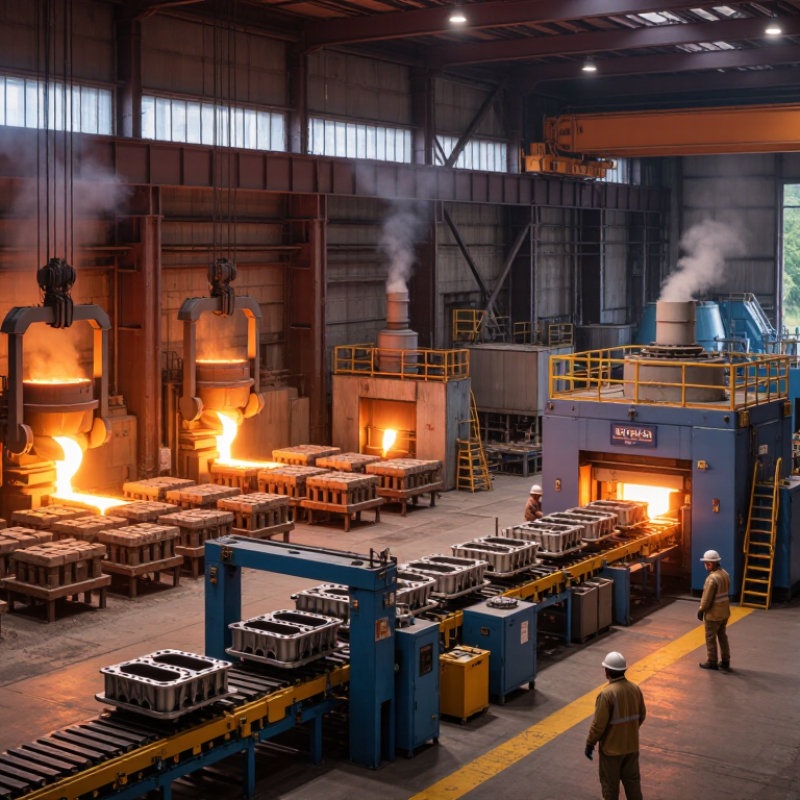
China Top 10 Casting Types and Their Environmental Impacts

Casting Industry and Foundry Practices in China

China’s casting industry serves machinery, transport, construction, and many other sectors. Foundries use processes such as sand casting, die casting, investment casting, and lost-foam casting. Each suits different metals, shapes, and production volumes. Each also leaves a different environmental footprint.

Sand casting can generate used sand and airborne dust, while melting metal requires substantial heat. Die casting may use less material per part, but its machinery and cooling systems consume energy. Across Chinese foundries, practices vary by region, facility size, and equipment age. Some facilities reclaim sand and capture furnace fumes; others still face practical limits in upgrading equipment. The gap matters. A recycling target on paper does not guarantee clean, reusable material on the shop floor. Better sorting and process monitoring can reduce waste, but they require consistent attention.

Tips: Ask how a supplier handles used sand, metal scrap, dust, and cooling water. Look for measured energy and waste data, not broad environmental claims. Small process changes count. A blocked filter or poorly sorted scrap can quietly undermine improvements.

Ten Major Casting Types Used Across China

China’s foundries use sand, shell-mold, investment, lost-foam, permanent-mold, gravity-die, high-pressure-die, low-pressure-die, centrifugal, and squeeze casting. Sand casting suits large, complex parts; die casting produces precise components quickly. Investment casting handles intricate shapes, while centrifugal casting is common for hollow parts such as pipes. The American Foundry Society’s 57th Census of World Casting Production reported that China produced about 51.2 million metric tonnes of castings in 2022. That scale makes process choice significant. Yet production volume alone does not reveal each method’s environmental burden.

Sand and shell molding can generate spent sand and binder-related emissions, though sand reclamation reduces waste. Investment casting uses ceramic shells, which require energy to prepare and remove. Lost-foam casting needs controls for gases released as foam patterns vaporize. Die-casting methods rely on heated metal and machinery, so electricity use and equipment efficiency matter. Centrifugal and squeeze casting also require substantial process energy. Details vary with alloy, furnace fuel, scrap content, and local operating conditions. Not every plant measures these factors equally well. A 2022 production census describes output, not plant-level emissions; that gap matters when comparing environmental impacts.

How Each Casting Method Works and Where It Is Applied

China’s foundries use different casting methods to match part shape, metal, and production volume. Green-sand casting packs reusable sand around a pattern and suits large, relatively simple iron parts. Resin-bonded sand forms stronger molds for complex components, though binder handling needs care. Shell molding uses heated resin-coated sand to make thin, precise shells. Investment casting surrounds a wax pattern with ceramic, then melts the wax away; it serves intricate parts with fine details.

High-pressure die casting forces molten metal into a steel die, making many thin-walled aluminum or zinc components quickly. Gravity die casting pours metal into a reusable mold, often for stronger, medium-volume parts. Low-pressure die casting gently pushes metal upward into the mold, helping produce sound wheels and housings. Centrifugal casting spins the mold to form pipes, rings, and sleeves. Lost-foam casting replaces a foam pattern with metal, which vaporizes during pouring. In practice, boundaries blur.

Continuous casting solidifies molten steel into slabs, billets, or blooms for rolling. Environmental effects depend on the alloy, furnace, mold materials, and local controls. Sand reclamation can reduce waste, while melting and pouring still require energy and careful fume management. Scrap still matters. A process that saves material may need more energy or specialized tooling, so plant-level measurements are more useful than broad assumptions.

China Top 10 Casting Types and Their Environmental Impacts - How Each Casting Method Works and Where It Is Applied

Casting Method How It Works Common Materials Typical Applications Environmental Impacts Common Impact-Reduction Measures
Green Sand Casting Molten metal is poured into a reusable pattern-shaped mold made mainly from sand, clay, and water. The mold is broken after solidification; the sand can often be reconditioned. Cast iron, steel, and aluminum alloys Engine blocks, pump housings, machine bases, pipes, and other medium-to-large components Sand preparation and shakeout generate dust and noise. Pouring and cooling use energy, while furnaces can produce greenhouse-gas emissions and particulate matter. Used sand may require treatment or disposal if it cannot be reclaimed. Improve sand reclamation, control dust at shakeout and transfer points, maintain efficient melting furnaces, and reuse process water where practical.
Resin-Bonded Sand Casting Sand grains are bonded with a chemical resin to create a mold or core. The mold holds its shape during pouring and is broken or reclaimed after casting. Iron, steel, and non-ferrous alloys Complex cores, valve bodies, pump components, and castings requiring good dimensional accuracy Resin handling and pouring can release volatile organic compounds and odor; some binder systems can generate hazardous decomposition products. Sand reclamation can be more demanding than for green sand. Select lower-emission binder systems, provide local exhaust ventilation, monitor emissions, and reclaim sand using suitable mechanical or thermal systems.
Shell Molding Resin-coated sand is heated against a patterned metal tool to form a thin, rigid shell. Two shell halves are joined to make the mold cavity. Cast iron, steel, and copper-based alloys Small-to-medium gears, connecting rods, housings, and parts requiring a smooth surface finish Heating the pattern and curing resin consume energy. Resin decomposition during pouring may produce VOCs and fumes, and spent shell sand requires recovery or disposal. Use efficient pattern heating, capture fumes near the pouring area, optimize resin use, and recover shell sand where technically and environmentally suitable.
Investment Casting A wax or polymer pattern is coated with ceramic slurry and refractory material. The pattern is removed, the ceramic shell is fired, and molten metal is poured into it. Stainless and carbon steels, aluminum alloys, and nickel- or cobalt-based alloys Turbine components, medical instruments, aerospace parts, and intricate precision components Pattern production, shell drying, and firing require energy. Ceramic materials and binders create process waste, while melting high-temperature alloys can have a substantial energy and emissions footprint. Recover pattern materials when feasible, optimize shell thickness and firing schedules, improve furnace efficiency, and segregate ceramic waste for appropriate reuse or disposal.
Gravity Permanent-Mold Casting Molten metal is poured by gravity into a reusable metal mold. The mold is opened after solidification, and the casting is removed. Primarily aluminum, magnesium, and copper alloys Automotive wheels and housings, electrical components, and reusable-mold non-ferrous parts Reusable molds reduce single-use mold material, but mold manufacture and preheating require resources. Melting and holding metal consume energy; coatings and release agents can create waste or emissions. Extend mold life through maintenance, use controlled coating application, reduce metal-holding time, and recover clean metal scrap for remelting.
High-Pressure Die Casting Molten non-ferrous metal is injected at high speed and pressure into a reusable steel die. The die opens after the metal solidifies and the casting is ejected. Aluminum, zinc, and magnesium alloys Automotive structural and powertrain parts, appliance housings, and electronic enclosures Die-casting machines, metal melting, and temperature control require significant electricity and heat. Lubricants and release agents can generate fumes or wastewater; internal porosity may limit some recycling or heat-treatment options. Use energy-efficient machines and furnaces, optimize cycle times, capture lubricant fumes, maintain die sprays, and segregate alloy scrap for recycling.
Centrifugal Casting A mold rotates while molten metal is poured in. Centrifugal force distributes the metal along the mold wall; the method is commonly used for hollow or cylindrical parts. Cast iron, steel, copper alloys, and selected aluminum alloys Pipes, cylinder liners, bushings, rings, and other cylindrical components Rotating equipment and melting require energy. Mold coatings and cleaning can generate waste, and pouring may produce heat, fumes, and particulate emissions. Balance and maintain rotating equipment, control pouring and mold-coating use, capture fumes, and recycle machining chips and clean casting scrap.
Lost-Foam Casting A foam pattern is embedded in unbonded sand. Molten metal vaporizes the foam as it fills the cavity, so the pattern is not removed before pouring. Cast iron, steel, and aluminum alloys Engine blocks, cylinder heads, pump components, and complex castings with integrated features Foam decomposition during pouring produces gases and may release VOCs and particulates. Sand handling creates dust, and some sand recovery systems need additional energy. Use appropriate foam and coating systems, provide effective fume extraction, control sand dust, and reclaim sand while monitoring its quality.
Squeeze Casting Molten metal is placed in a preheated die and solidified under applied pressure. Pressure helps feed shrinkage and can reduce porosity compared with some conventional processes. Aluminum, magnesium, and copper alloys High-strength automotive, aerospace, and structural components Die heating, hydraulic systems, and metal melting consume energy. Die lubricants and coatings can produce emissions or waste; the overall footprint also depends on alloy production and process yield. Improve furnace and hydraulic-system efficiency, control die coatings, reduce rejected castings through process monitoring, and recycle compatible metal scrap.
Vacuum Die Casting A vacuum system removes much of the air from the die cavity before or during high-pressure metal injection, helping reduce gas entrapment in the casting. Primarily aluminum and magnesium alloys Thin-walled or structural automotive parts and components where reduced gas porosity is important Vacuum pumps and high-pressure injection equipment add electricity demand. Metal melting, die lubricants, and process rejects also contribute to energy use, emissions, and material waste. Maintain vacuum seals and pumps, monitor process parameters to reduce rejects, capture lubricant emissions, and reuse clean alloy scrap.

Note: Environmental impacts vary with alloy, energy source, binder and coating selection, equipment efficiency, emissions controls, and the effectiveness of sand and metal recycling. The methods above are presented as commonly used casting processes, not as a ranked list.

Environmental Impacts Across the Casting Life Cycle

Environmental impacts across the casting life cycle begin long before molten metal reaches a mold. Mining, refining, and metal production often dominate the footprint. The World Steel Association’s 2023 sustainability indicators report an average of 1.91 tonnes of CO2 per tonne of crude steel. The International Aluminium Institute reports about 16.1 tonnes of CO2-equivalent per tonne of primary aluminium for 2022. These are upstream benchmarks, not measurements of every casting process. Electricity sources and production routes change the result.

Inside a foundry, furnaces consume substantial energy, while molds and cores can require sand, binders, and additives. Heat, dust, and spent materials need careful control. Small details matter: a leaking furnace door or an oversized pour wastes energy and metal. Yet comparisons between foundries are imperfect; reporting boundaries and product quality differ. That complicates claims of “lower impact.”

After pouring, cleaning, heat treatment, and machining add energy use and may create scrap. Returning clean metal to the melt can reduce demand for newly produced metal, but coatings and mixed alloys make recovery harder. Transport and a casting’s service life also count. A durable part may justify more production energy, though that benefit depends on actual use. It is easy to overlook those uncertainties. Life-cycle assessments should state their assumptions and measure real material losses.

Pollution Controls and Cleaner Casting Practices in China

Pollution Controls and Cleaner Casting Practices in China

China’s casting plants use different processes, from sand molding to die casting. Each creates a distinct waste stream. Sand preparation can release fine dust, while coating and core work may produce fumes. Effective controls start at the source: enclosed transfer points, local exhaust hoods, and properly maintained bag filters. Furnace areas also need clear monitoring for fuel use and emissions. A visible plume is a warning, but clean-looking air alone proves little. Small details matter.

Tips: Check hood capture with smoke tests, inspect filter pressure readings, and keep spent sand separate from metal-bearing residues. Reuse clean process water where technically suitable. Record results by shift, not just by month. Measure, then adjust.

Wastewater from cooling or surface treatment should be collected by stream, tested, and treated before reuse or discharge. Slag and dust need characterization before recovery; their composition varies with alloy and furnace practice.

Cleaner production also means reducing scrap returns, avoiding unnecessary overheating, and maintaining molds to prevent rejects. These steps can lower resource use, but they require trained operators and steady upkeep. Targets on paper are easy. Real performance depends on maintenance, sampling quality, and honest review when results drift.

FAQS

Which casting methods are used in China?

Foundries use sand, die, investment, and lost-foam casting. Each suits different metals, shapes, and production volumes.

What waste can sand casting create?

It can produce used sand and airborne dust. Poor sorting makes clean sand harder to reuse.

How can foundries control dust and fumes?

Enclosed transfer points, local exhaust hoods, and maintained bag filters can help. Smoke tests can reveal weak hood capture.

Does clean-looking air prove emissions are controlled?

No. A visible plume is a warning, but clear air alone proves little. Measure actual results.

What should buyers ask suppliers about waste?

Ask how they handle used sand, metal scrap, dust, and cooling water. Request measured data, not broad claims.

How can plants monitor pollution controls?

Record filter pressure, fuel use, and emissions by shift. Monthly summaries may hide short problems.

How should wastewater and foundry residues be managed?

Collect wastewater by stream, test it, and treat it before reuse or discharge. Characterize slag and dust before recovery.

What practical steps can reduce resource use?

Avoid unnecessary overheating, maintain molds, and reduce rejected parts. Small changes count. Upkeep is easy to neglect.

Do recycling targets guarantee clean, reusable materials?

Not always. Paper targets can look tidy, but shop floors are messier. Regular sorting and monitoring matter.

Conclusion

China’s casting industry supports manufacturing across sectors such as transportation, construction, machinery, and energy. This overview introduces ten major casting types used in China, explaining how methods such as sand casting, die casting, investment casting, and centrifugal casting shape molten metal and why different processes suit different products. It highlights the balance between production needs, material properties, precision, and cost when choosing a casting method.

The article also considers what are the environmental impacts of casting throughout the production life cycle. These can include energy consumption, greenhouse gas emissions, dust, wastewater, and foundry waste from melting, molding, finishing, and material handling. It concludes by outlining cleaner practices, including improving energy efficiency, capturing emissions, reusing sand and metal, treating process water, and strengthening waste management. Together, these measures can help foundries reduce environmental burdens while maintaining reliable production.

Mason

Mason

Mason is a seasoned marketing professional with a deep expertise in the company's offerings and a passion for driving brand awareness. With a strong background in digital marketing strategies, he has an innate ability to connect with diverse audiences and effectively communicate product benefits.......