Choosing the right metal for casting projects involves careful consideration of several factors. According to the Metal Casting Industry report, approximately 70% of all cast parts require specific metal types to meet functional and aesthetic needs. An industry expert, Dr. Emily Harper, states, "Selecting the ideal metal can drastically affect the performance and cost of casting."
Metal selection depends on the intended use of the finished product. For instance, aluminum is popular for lightweight applications, while iron is favored for strength and durability. Each metal has unique properties, which impact melt temperature, casting techniques, and surface finish. Understanding these differences is crucial for optimizing your project.
Mistakes in metal selection can lead to project delays and unexpected costs. Not every project may benefit from the most popular metals available. Consideration should also be given to environmental impact and recyclability. In making these decisions, it’s key to ask, "how to choose the right metal for casting projects?" Proper research and expert guidance can lead you to the right choice.
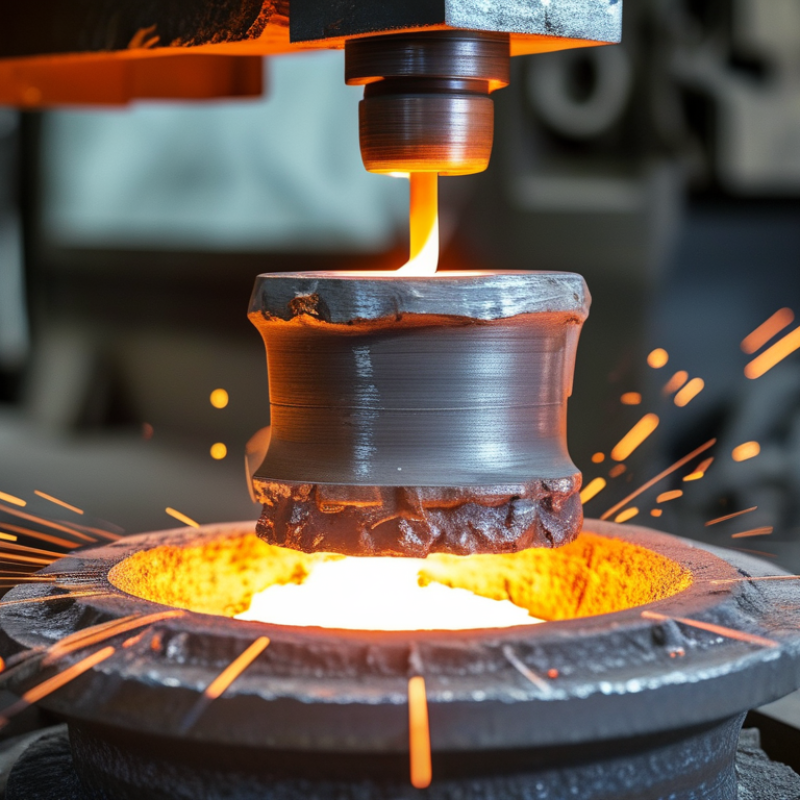
Factors to Consider When Selecting Metal for Casting
Choosing the right metal for casting is critical for project success. Various factors influence this decision. One crucial aspect is the metal's melting point. For instance, aluminum has a melting point of about 660°C, while bronze melts at approximately 1000°C. These differences significantly impact the casting process and equipment choices.
Mechanical properties are another key area to consider. Metals vary in terms of strength, ductility, and hardness. According to a report by the American Foundry Society, over 50% of metal fails due to inadequate property assessment. Understanding how each metal behaves under stress helps prevent project failures.
Cost is also an important consideration. Some metals are more expensive than others. Precious metals like gold and silver come with high price tags. For budget-conscious projects, low-cost options like cast iron or aluminum may be preferable. However, lower costs can lead to trade-offs in quality. This requires careful evaluation of the project's long-term needs versus upfront expenses.
Metal Selection for Casting Projects
This chart compares the density of various metals commonly used in casting projects. It's essential to consider the density of a metal when selecting it for your casting project, as it can affect the overall weight and characteristics of the final product.
Common Types of Metals Used in Casting Projects
When selecting a metal for casting projects, understanding common types of metals is crucial.
Aluminum is a favorite in many applications due to its lightweight nature and resistance to corrosion.
It accounts for around 80% of all die-cast metal parts produced globally. This metal is ideal for intricate designs and efficient production needs.
Another common choice is cast iron, renowned for its excellent wear resistance and machinability. In 2021, the global cast iron market was valued at approximately $140 billion and is expected to grow significantly. Its ability to withstand high temperatures makes it suitable for engine components and industrial machinery.
However, the brittleness of cast iron can lead to challenges during transport and handling.
Steel is also widely used for its strength and versatility. It offers excellent tensile strength and can be alloyed for different properties.
Statistically, about 70 million tons of steel are produced annually for casting purposes. However, the heavier weight and potential for rusting are factors to consider. Knowing the characteristics and limitations of each metal helps in making informed choices for any casting project.
Properties of Metals That Affect Casting Performance
When selecting the appropriate metal for casting projects, key properties come into play. Melting point is critical, as it affects how easily a metal can be fabricated. For example, aluminum has a melting point of about 660°C, making it relatively easy to cast. In contrast, iron, with a melting point around 1,538°C, requires more energy and specialized equipment.
Fluidity also shapes casting performance. Metals like zinc exhibit excellent fluidity, allowing them to fill complex molds effectively. According to a report by the American Foundry Society, improved fluidity leads to better surface finishes in castings, reducing post-processing work. However, some metals may not flow as well in intricate designs, leading to defects.
Strength and weight are additional factors to consider. For instance, titanium is lightweight yet incredibly strong, making it ideal for aerospace applications. However, its higher cost can be a significant limitation. Balancing these properties is essential for achieving desired outcomes while managing budgets effectively.
Cost Considerations for Different Casting Metals
When selecting the right metal for casting projects, cost is a pivotal factor. Different metals significantly vary in price. For instance, aluminum typically costs less than steel. Reports indicate that aluminum casting costs range from $2 to $5 per pound, while steel can escalate to between $7 and $15 per pound. This difference greatly impacts budget planning for projects.
Be mindful of additional expenses. The complexity of the casting process can add to costs. For example, niche metals like titanium can be prohibitively expensive, sometimes exceeding $30 per pound. While these can offer weight-saving benefits and high strength, the profit margin needs careful assessment. Choosing a more common metal, like iron, may lead to cost-cutting opportunities without sacrificing structural integrity.
It's crucial to consider how long each metal lasts. Some might save money upfront but require frequent replacements, escalating long-term costs. Stainless steel, while more expensive initially, offers durability and corrosion resistance, potentially leading to better overall value. Therefore, weighing initial costs against durability ensures thoughtful decision-making.
Environmental and Safety Factors in Metal Casting Choices
When selecting a metal for casting, environmental and safety factors play a crucial role. Each metal has unique properties that can impact both the environment and worker safety. Statistically, the U.S. Environmental Protection Agency reported that metal casting accounts for 5-10% of industrial emissions. Materials like lead and cadmium can pose toxic risks. Their use requires careful consideration of regulatory compliance and safety measures.
Workers in the metal casting industry face exposure concerns. The Occupational Safety and Health Administration highlights that overexposure to certain metals can lead to long-term health issues. For instance, aluminum dust can lead to respiratory problems. Implementing a dust control program is essential. Yet, many facilities struggle with compliance, indicating a need for better safety protocols.
Additionally, not all metals are created equal regarding recyclability. Aluminum, for instance, is highly recyclable and has a lower environmental footprint than other metals. A report by the Aluminum Association found that recycling aluminum saves 95% of the energy needed to create new aluminum. However, some metals lack similar recycling efficiencies. Awareness of these details can influence decisions, pushing for greener practices in casting projects.
FAQS
: Melting point affects fabrication ease. For example, aluminum melts at 660°C, while iron requires 1,538°C.
Understanding strength, ductility, and hardness is crucial. Over 50% of metal failures stem from poor property assessment.
Metal prices vary widely. Aluminum can cost $2-$5 per pound, while specialized metals can exceed $30 per pound.
Fluidity allows metals like zinc to fill molds effectively. Poor fluidity can lead to defects in intricate designs.
Lightweight metals like titanium are strong and ideal for aerospace. However, their higher costs can limit usage.
Some cheaper metals may need frequent replacements. Stainless steel offers durability, potentially saving costs in the long run.
Weigh upfront expenses against durability. A more expensive metal might provide better overall value in the long term.
Insufficient evaluation leads to failures. It’s important to understand how each metal behaves under stress for better outcomes.
Complex processes increase costs. Niche metals may offer benefits, but they require careful cost-benefit analysis.
Lower costs can mean reduced quality. Careful evaluation of project needs versus expenses is necessary for optimal decisions.
Conclusion
When considering how to choose the right metal for casting projects, several crucial factors must be evaluated to ensure optimal results. Key considerations include the specific requirements of the project, such as strength, weight, and thermal properties. Common metals like aluminum, bronze, and cast iron each offer unique advantages and challenges, influenced by their inherent properties. Additionally, cost-effectiveness plays a significant role; different metals vary in price, which can impact the overall budget of the casting project.
Moreover, environmental and safety factors cannot be overlooked in the selection process. It is essential to take into account the environmental impact of the metal chosen and comply with safety regulations during casting operations. By carefully analyzing these elements—properties of metals, cost implications, and environmental considerations—project managers can confidently determine how to choose the right metal that aligns with both project goals and sustainability practices.

 Singer Cast