In the realm of metal casting, understanding "what are common problems in metal casting" is crucial for top suppliers in China. Delving into this subject, industry expert Dr. Ming Li once stated, “Precision is vital, yet flaws often emerge from overlooked details.” His insight reflects a fundamental challenge in the casting process.
Common issues include defects like porosity and shrinkage, which compromise the integrity of cast components. Suppliers must prioritize quality control throughout each stage. Moreover, inconsistent material properties can lead to unpredictable casting outcomes. Addressing these problems requires both experience and advanced techniques.
Reflecting on these challenges encourages self-assessment within the industry. Suppliers should continuously evaluate their methods to reduce defects. Emphasizing shared knowledge can foster collective improvement. The quest for flawless metal casting is ongoing, and recognizing common pitfalls is a step toward achieving higher standards in production.
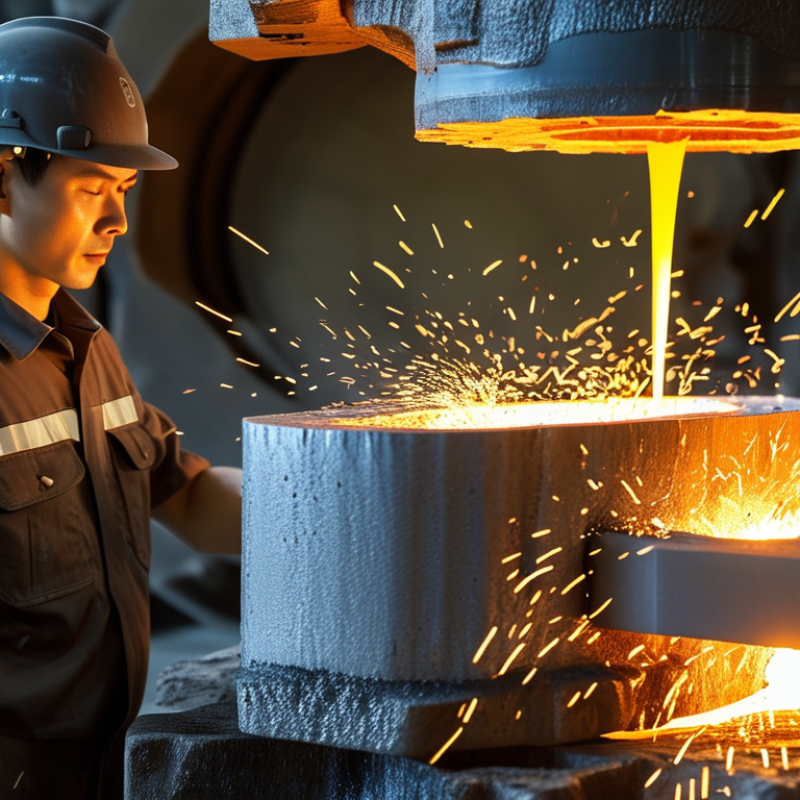
Metal casting is fundamental in manufacturing, yet it faces various challenges. Defects such as porosity, shrinkage, and dimensional inaccuracies frequently occur. According to industry reports, up to 20% of cast parts may fail quality inspection due to these defects. This affects production costs and delivery times, straining relationships with clients.
Porosity arises from gas entrapment during the solidification process. It not only weakens the material but can also lead to costly rejection of finished products. Shrinkage is another prevalent issue, often occurring when molten metal cools unevenly. This can distort parts and cause misalignment in assembly. The impact of these defects can be significant, leading to a 15-30% increase in production costs for manufacturers.
Tips to reduce defects include optimizing cooling rates and refining the casting process. Regular maintenance of equipment also plays a vital role. Ensuring that molds are clean and properly coated minimizes imperfections. Regularly assessing raw materials can help in identifying potential issues before they escalate. Investing in advanced technology can improve precision and reduce defect rates over time. The industry must embrace continuous improvement to mitigate these issues.
In metal casting, material selection plays a pivotal role in determining the quality of the final product. Choosing the right alloy affects fluidity, strength, and resistance to defects. For instance, aluminum casting often requires precise alloy combinations to enhance performance. However, many suppliers overlook the specific requirements of their casting processes, leading to issues like porosity or brittleness.
A common problem arises from using incompatible materials. For instance, mixing alloys without understanding their interactions may result in weak spots. This lack of awareness can also lead to increased costs due to defective batches. Suppliers must invest in material testing to ensure their selected metals meet production standards. Regular audits and analysis can uncover underlying issues and promote better practices in metal selection.
Quality control is essential in this regard. Employing rigorous testing methods can identify material flaws early. It’s important to acknowledge that even with the best materials, if the casting process is flawed, quality will suffer. Suppliers should strive for continuous improvement, addressing gaps and re-evaluating their material choices in response to production feedback. This proactive approach not only enhances quality but also fosters reliability in metal manufacturing.
| Problem Area | Common Issues | Impact on Quality | Material Selection | Recommendations |
|---|---|---|---|---|
| Dimensional Accuracy | Warpage and Shrinkage | Increased rework costs | Alloy choice | Use more stable alloys |
| Surface Finish | Roughness and Inclusions | Poor aesthetics and function | Purity of materials | Increase material purification processes |
| Mechanical Properties | Brittleness and Low Strength | Failure under load | Selection of alloying elements | Optimize heat treatment |
| Casting Defects | Porosity and Cold Shuts | Reduced integrity | Mould material choices | Enhance gating systems |
| Production Efficiency | Long Lead Times | Increased costs | Type of casting process | Streamline process flow |
Temperature control plays a crucial role in metal casting processes. Proper temperature management can significantly reduce defects that lead to costly recalls. When molten metal is poured into a mold, variations in temperature can cause issues. These issues include unwanted air pockets and uneven cooling. Maintaining a consistent temperature helps ensure a smoother flow and solidifies the material correctly.
An often overlooked aspect is the cooling rate. Rapid cooling can lead to cracking, while slow cooling may promote unwanted grain growth. Careful monitoring of temperature during the entire casting process can minimize these risks. Using thermocouples or infrared thermometers can aid in tracking temperatures effectively. However, not all suppliers implement these practices consistently. This inconsistency can lead to defects that are difficult to spot early in production.
Furthermore, team training on temperature management is essential. Not all operators may recognize the significance of small temperature fluctuations. Regular workshops and assessments can improve this understanding. Additionally, investing in advanced temperature control systems can provide more consistent results. Failure to address temperature-related issues may compromise product quality over time. This focus on detail can ultimately enhance reliability in metal casting.
In the metal casting industry, shrinkage and porosity are significant challenges. These defects can compromise the integrity of cast products. To minimize these issues, understanding material behavior during cooling is essential. When molten metal solidifies, it often shrinks. This can lead to voids and weak spots. Alloy composition plays a crucial role. Some metals are more prone to shrinkage than others.
Managing cooling rates can help control shrinkage. Uneven cooling often results in porosity and cracks. Employing risers and chills can promote uniform temperature distribution. These tools allow the molten metal to flow and fill voids effectively. However, the placement of risers requires careful consideration. A poor design can lead to additional defects.
Another key practice is ensuring proper mold design. Complex shapes may retain gas or air pockets. Using venting techniques can alleviate this problem. It is important to balance mold strength and permeability. Some manufacturers overlook this aspect, resulting in unnecessary defects. Continuous monitoring of the casting process can provide insights for improvement. Re-evaluating practices periodically can lead to better outcomes.
In the realm of metal casting, defects can significantly impact production costs for top suppliers in China. Industry reports indicate that casting defects can lead to an average loss of 5-10% of total production costs. This is due to rework and scrap materials, which are direct results of these defects. For example, misalignment during the casting process often results in dimensional inaccuracies, leading to costly adjustments.
The cost implications extend past just materials. Increased downtime for machinery and labor can also add pressure to a supplier’s profit margins. Some reports suggest that machine downtime can increase overall production costs by up to 15%. It's essential for suppliers to implement strict quality control measures to mitigate these issues.
There are ways suppliers can improve their casting processes. Regular training sessions for staff can lead to better handling of casting machinery. Investments in advanced monitoring technology can also reduce defect rates significantly. Suppliers should not overlook the importance of thorough inspections before and after the casting process. Focusing on these areas can prevent costly mistakes and enhance overall product quality, aligning with best practices in the industry.
: Common defects include porosity, shrinkage, and dimensional inaccuracies. These can affect production quality.
Porosity arises from gas entrapment. It weakens materials and can lead to product rejection.
Shrinkage occurs when molten metal cools unevenly. It can distort parts and misalign assemblies.
Improving cooling rates and refining processes are effective. Regular equipment maintenance is also crucial.
Choosing the right alloy influences fluidity and strength. Incompatible materials can create weak spots.
Rigorous testing identifies material flaws early. Problems in the casting process can still result in poor quality.
Controlled cooling reduces shrinkage. Using risers and chills ensures uniform temperature distribution.
Proper mold design prevents air pockets. Balancing strength and permeability is often overlooked.
Continuous process monitoring offers insights for improvement. Regular evaluations lead to better results.
Regular audits and testing can uncover issues. Adjusting choices based on feedback fosters reliability.
Metal casting, a vital process in manufacturing, faces several challenges that can severely impact product quality and production efficiency. A key question in the industry is "what are common problems in metal casting?" These include defects such as shrinkage, porosity, and irregularities stemming from poor material selection and inadequate temperature control. By addressing these issues, suppliers can enhance casting quality and reduce waste.
Temperature control plays a significant role in minimizing defects, as fluctuations can lead to inconsistent results. Additionally, best practices in design and execution can significantly lower the rates of shrinkage and porosity in cast products. Understanding these common problems and their implications helps top suppliers in China assess the cost of casting defects and refine their processes for improved outcomes. Overall, a keen focus on mitigating these challenges is essential for achieving excellence in metal casting operations.

Singer Cast