How Does Die Casting Work in Manufacturing for Buyers?

Time:2026-07-18 Author:Henry
0%

Die casting is a critical process in manufacturing that creates intricate metal parts. Understanding how does die casting work in manufacturing is essential for buyers. This technique allows for high precision and repeatability, making it popular in various industries. Buyers often seek reliable suppliers who can deliver quality products.

The die casting process involves injecting molten metal into a mold. The mold is designed to capture detailed features, ensuring accuracy. This method is useful for producing complex shapes quickly. However, buyers must consider factors like alloy selection and cooling time. Not all materials work equally well in die casting, leading to varying quality outputs.

Navigating the die casting landscape can be challenging. Buyers should prioritize learning about the manufacturing dynamics. Awareness of the process will help in making informed decisions. Understanding how does die casting work in manufacturing not only aids in product selection but also fosters strong supplier relationships. Balancing quality, cost, and efficiency remains a constant challenge in this evolving field.
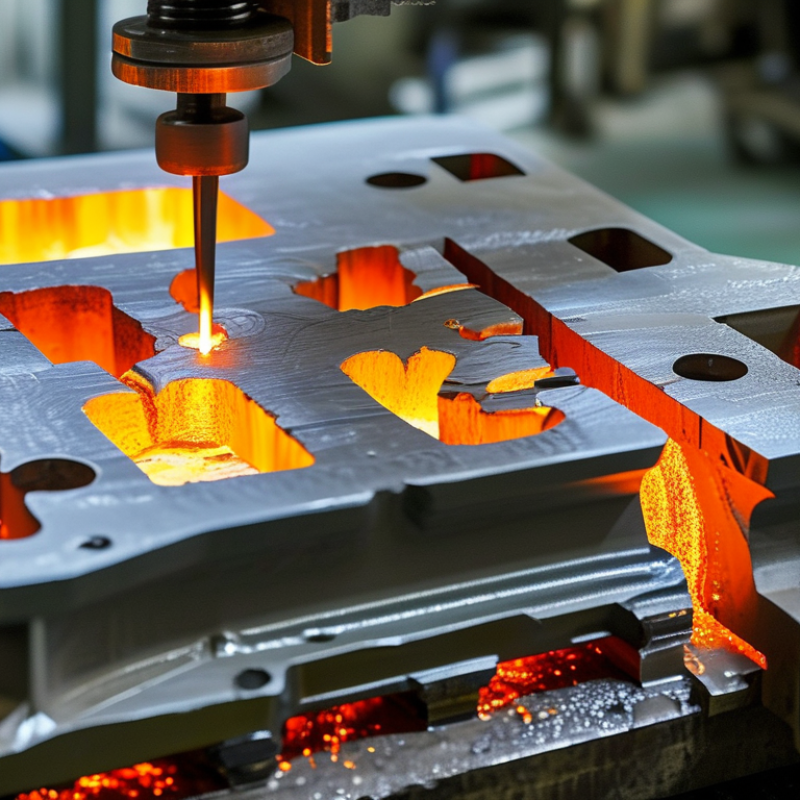
How Does Die Casting Work in Manufacturing for Buyers?

Understanding the Basics of Die Casting in Manufacturing

Die casting is a fascinating manufacturing process that has gained popularity for producing metal parts. It involves forcing molten metal into a mold cavity. This method offers advantages such as high dimensional accuracy and a smooth surface finish. Understanding how it works can help buyers make informed decisions.

During die casting, metal is heated until it becomes liquid. This molten metal is then injected into a steel die. The die's design allows for complex shapes to be created with ease. After cooling, the solidified part is removed. Despite its benefits, some challenges exist. High initial costs can deter small manufacturers. Also, the quality of finished products can vary depending on the die and process parameters.

Buyers should consider these factors when looking into die casting. It is essential to work with experienced manufacturers. They can provide insights on best practices and material choices. Reliable partners can help navigate the complexities of the process. Understanding these basics will ultimately lead to better choices in production.

The Die Casting Process: Steps and Techniques Explained

Die casting is a crucial method in manufacturing that involves several precise steps. The process begins with creating a mold. This mold is usually made from high-quality steel or iron. The molten metal is then injected into this mold under high pressure. This helps in achieving intricate designs and smooth finishes.

Once the metal cools and solidifies, the mold opens to release the finished part. This method allows for high volume production with remarkable consistency. However, the process can present challenges. The molds can wear out quickly, impacting quality over time. Maintaining mold integrity is essential for optimal results.

After casting, parts often require additional refining. This might involve cleaning, machining, or surface treatment. Each step should be monitored carefully. Small oversights can lead to defects. Attention to detail at every phase of die casting is critical for successful manufacturing outcomes.

Materials Used in Die Casting: A Comprehensive Overview

Die casting is a critical method in manufacturing, and the choice of materials plays a vital role in the process. Aluminum and zinc are two of the most commonly used metals in die casting. Aluminum is lightweight and resistant to corrosion, making it suitable for various applications. Its ability to be easily molded into complex shapes enhances its desirability for manufacturers.

Zinc, on the other hand, possesses excellent ductility and impact strength. This metal is often chosen for products requiring high durability. It also has a lower melting point. This characteristic leads to energy savings during production. However, one must consider the trade-off between cost and performance when selecting materials.

Other materials like magnesium and copper also make their mark in die casting. Magnesium stands out with its high strength-to-weight ratio. Meanwhile, copper, known for its thermal conductivity, is less common due to higher costs. Each of these materials presents unique benefits and potential drawbacks. Reflecting on these factors is crucial for buyers when sourcing die-cast products. Understanding these materials will lead to better decision-making in manufacturing contexts.

Advantages and Disadvantages of Die Casting for Buyers

Die casting, a popular manufacturing process, offers buyers several advantages. This technique allows for the production of complex shapes with high dimensional accuracy. The process uses molten metal, which fills a mold cavity at high pressure. Products can achieve excellent surface finishes, reducing the need for extensive post-processing.

However, die casting isn't without its drawbacks. One major concern is the high initial costs of mold creation. Custom molds can lead to significant upfront investments. Additionally, the process is best suited for high-volume production. For small batches, other methods may prove more cost-effective. Understanding these factors is crucial for buyers considering die casting.

Tips: Evaluate production volume before committing to die casting. Balancing the upfront costs with long-term needs is essential. Also, consider material selection carefully, as it affects both quality and cost. Some alloys may not perform well under specific conditions. Always request samples to assess if the die casting method aligns with your project goals.

Applications of Die Casting in Various Industries

Die casting serves various industries with precision and efficiency. It’s frequently used in automotive, aerospace, electronics, and consumer goods. In automotive manufacturing, die casting accounts for 60% of the metal parts produced. This process is essential for creating components that require tight tolerances and complex geometries.

The aerospace sector also benefits significantly from die casting. Lightweight and strong materials are crucial. A report indicates the aerospace die casting market is expected to grow by 6.1% annually. Such projections highlight the rising demand for efficient manufacturing techniques.

Moreover, in electronics, die casting provides durable casings for devices. The industry values the thermal and electrical conductivity offered by die-cast materials. Despite its advantages, challenges exist. The initial costs can be high, which might deter small manufacturers from using this method. Evaluating costs versus long-term benefits is essential for making informed decisions.

How Does Die Casting Work in Manufacturing for Buyers? - Applications of Die Casting in Various Industries

Industry Application Benefits of Die Casting Common Materials Used
Automotive Engine blocks, transmission cases High precision, reduced weight, good surface finish Aluminum, zinc
Aerospace Structural components, housings Strength-to-weight ratio, complex shapes Magnesium, titanium
Consumer Electronics Casing for devices, internal components Durability, lightweight, aesthetics Aluminum, zinc alloys
Construction Brackets, fixtures Cost effective, high-volume production Aluminum, magnesium
Medical Surgical instruments, equipment housings High precision, sanitary conditions Stainless steel, aluminum

FAQS

: What is the die casting process?

: Die casting involves creating a mold and injecting molten metal under pressure.

What materials are commonly used in die casting?

Aluminum and zinc are popular for their lightweight and durability.

Why is mold integrity important?

Maintaining mold integrity affects the quality and longevity of the die cast parts.

What additional refining may be needed after casting?

Parts often require cleaning, machining, or surface treatments for finishing.

Which industries benefit from die casting?

Automotive, aerospace, electronics, and consumer goods industries utilize die casting.

What challenges does die casting face?

High initial costs may be a barrier for small manufacturers.

How does die casting impact the automotive sector?

It produces 60% of metal parts, allowing for complex geometries and tight tolerances.

What is a benefit of using zinc in die casting?

Zinc has excellent ductility and lower melting points, offering energy savings.

Are there trade-offs in material selection?

Yes, costs versus performance must be considered when choosing materials.

How does attention to detail affect manufacturing?

Small oversights can create defects, making careful monitoring essential.

Conclusion

Die casting is a crucial manufacturing process that allows for the efficient production of high-quality metal parts. To understand how does die casting work in manufacturing, it's essential to grasp the basic principles, including the process steps and various techniques involved—such as mold design, metal injection, and cooling. This method often utilizes materials like aluminum, zinc, and magnesium, which provide excellent strength and precision in the final products.

Buyers must be aware of both the advantages and disadvantages of die casting. While it offers benefits like tight tolerances and high production rates, it also has limitations in terms of mold costs and suitability for certain designs. The applications of die casting extend across numerous industries, including automotive, aerospace, and consumer goods, showcasing its versatility and significance in modern manufacturing.

Henry

Henry

Henry is a dedicated marketing professional with a profound expertise in the company's offerings. With years of experience in the industry, he possesses an impressive understanding of the market dynamics and consumer behaviors that drive success. Henry is committed to sharing his insights through......