How Does Die Casting Work in Manufacturing for Global Buyers?

Time:2026-04-13 Author:Isabella
0%

Die casting is a pivotal process in modern manufacturing. Understanding how does die casting work in manufacturing is crucial for global buyers. According to a recent report by MarketsandMarkets, the die casting market is projected to reach USD 12.88 billion by 2025, highlighting its significance. This process involves forcing molten metal into a mold. The achieved precision makes die casting a preferred choice for producing complex shapes.

Key industries, such as automotive and aerospace, heavily rely on die casting. Aluminum and zinc are commonly used metals in this process. However, challenges such as tooling costs and environmental concerns persist. Companies must weigh these factors against the benefits of high production speeds and reduced waste. Reports indicate that companies using die casting can reduce material costs by up to 40%, but these advantages come with trade-offs.

As the industry evolves, staying updated on technological advancements becomes essential. Global buyers should seek expert insights to navigate this complex landscape. While die casting presents numerous advantages, it's vital to acknowledge the areas needing improvement. Manufacturers must continuously innovate to address challenges and enhance sustainability in the die casting process.
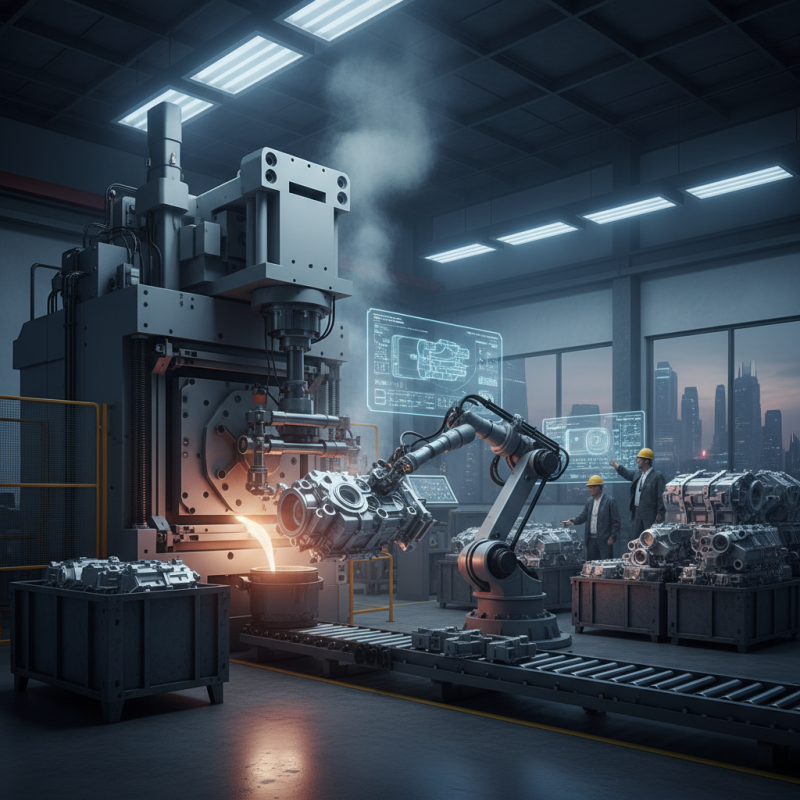
How Does Die Casting Work in Manufacturing for Global Buyers?

Understanding the Basics of Die Casting in Manufacturing

Die casting is a popular manufacturing process for producing metal parts. It involves forcing molten metal into a mold cavity under high pressure. This method ensures high precision and intricate detailing in the final products. Understanding the basic principles of die casting is essential for global buyers seeking reliable manufacturing options.

The process starts with designing a mold. The mold is typically made from steel or iron to withstand high temperatures. Once the mold is ready, molten metal is injected into it. As the metal cools, it solidifies, taking the shape of the mold. The final step is removing the cast part from the mold, which can sometimes be challenging. Improper design may lead to defects, requiring careful consideration.

Die casting allows for mass production of complex shapes. However, it is essential to understand its limitations. Not all metals are suitable for die casting; the selection process is critical. Additionally, the initial cost of creating molds can be high. Reflecting on these factors will guide buyers in making informed decisions about using die casting in manufacturing.

Key Materials Used in Die Casting Processes

Die casting is a popular manufacturing process for producing complex metal parts. Key materials in die casting include aluminum, zinc, and magnesium. Each material offers unique advantages. Aluminum is lightweight and corrosion-resistant. Zinc is known for its excellent fluidity and high strength. Magnesium provides superior strength-to-weight ratios, making it ideal for automotive components.

The choice of material greatly affects the final product. Aluminum is suitable for parts that require durability. However, it may not be the best for intricate designs. Zinc parts are easier to machine, which can save time, but they may not withstand extreme heat. Magnesium, while strong, can be more expensive and challenging to source.

Understanding these materials helps buyers make informed decisions. Some materials might be overkill for certain applications. Others may fall short on performance. Before committing, it’s crucial to weigh cost versus functionality. This reflection can lead to better outcomes in production.

How Does Die Casting Work in Manufacturing for Global Buyers? - Key Materials Used in Die Casting Processes

Material Type Properties Common Uses Melting Point (°C)
Aluminum Lightweight, corrosion resistant, high strength-to-weight ratio Automotive parts, consumer electronics, hardware 660
Zinc High ductility, excellent low-temperature performance, good corrosion resistance Die cast toys, automotive components, electrical housings 420
Magnesium Very light, strong, and good machinability Aerospace parts, automotive applications, laptops 650
Copper Excellent conductor, high corrosion resistance, good strength Electrical equipment, plumbing fittings, artistic sculptures 1085

Step-by-Step Overview of the Die Casting Production Cycle

Die casting is a crucial manufacturing process for many industries. It involves forcing molten metal into a mold under pressure. This method creates intricate shapes with high precision. The die casting cycle consists of several key steps that ensure quality.

The process begins with mold preparation. Molds are typically made from steel or iron. They must be designed to withstand the high temperatures of molten metal. Once ready, the metal is melted in a furnace. This step requires careful temperature control to avoid impurities. When the metal reaches the right temperature, it is injected into the mold cavity.

After injection, cooling takes place. The metal must solidify to retain the shape of the mold. Timing is crucial; too fast or too slow can affect the final product. Once cooled, the mold opens to release the casting. Some imperfections may arise, like air bubbles or surface flaws. These issues require attention and improvement in future productions. Each cycle offers valuable insights for better results ahead.

Advantages of Die Casting for Global Manufacturing Buyers

Die casting is a favored manufacturing process, offering several advantages for global buyers. According to industry research, die casting can achieve dimensional accuracy of up to ±0.01 mm. This precision reduces the need for extensive machining, lowering production costs significantly. The ability to produce complex shapes also speeds up the manufacturing process, often by 30-50%, compared to traditional methods.

One crucial benefit is the material versatility offered by die casting. Aluminum, zinc, and magnesium alloys are commonly used, providing durability and lightweight options for various applications. Reports indicate that over 70% of die-cast parts are made from aluminum, thanks to its excellent strength-to-weight ratio. While the initial tooling costs can be high, the long-term savings on production volume make die casting a smart choice.

However, there are challenges to consider. Die casting may require significant upfront investment in molds. This can be a barrier for smaller manufacturers. Additionally, achieving quality can be inconsistent, leading to defects if not managed correctly. Continuous improvement in techniques and materials is necessary. Overall, companies must weigh the advantages against potential setbacks.

Quality Control Measures in Die Casting Operations

Die casting is a precise manufacturing process. It involves injecting molten metal into a mold. Quality control is crucial in this operation. A single defect can render a part unusable. Thus, manufacturers implement various measures to ensure top quality.

Visual inspections are common in die casting. Operators often check for surface defects and inconsistencies. However, this method can miss subtle flaws. Advanced technologies, like automated scanning, can enhance detection rates. These tools analyze parts with high precision, identifying problems early in production.

Testing the final products is equally essential. Methods like pressure testing verify the integrity of the cast. Using extreme temperatures can also indicate weaknesses. Continuous monitoring is necessary, yet some manufacturers may overlook this. Relying on set protocols without adjustments can lead to oversights. Regular reviews of quality control processes help maintain standards.

FAQS

: What is die casting?

: Die casting is a manufacturing process that forces molten metal into a mold under high pressure.

What materials are commonly used in die casting?

Common materials include aluminum, zinc, and magnesium. Each has unique benefits for different applications.

What are the advantages of die casting?

Die casting offers high precision, reduced machining needs, and faster production times, often speeding up by 30-50%.

What is the role of mold design in die casting?

Mold design is crucial; improper design can lead to defects in the final product.

Are there limitations to die casting?

Yes, not all metals are suitable for die casting, and high initial mold costs can be a barrier for small manufacturers.

How does material selection impact the production?

Material choice affects durability and performance; some materials may be unnecessarily strong or costly for certain applications.

Can die casting achieve high dimensional accuracy?

Yes, die casting can achieve precision levels of up to ±0.01 mm, reducing the need for extensive machining.

What are potential challenges in die casting?

Challenges include high upfront mold costs and potential quality inconsistencies that need careful management.

How does die casting compare to traditional manufacturing methods?

Die casting is often faster and more precise but requires careful consideration of costs and material choices.

Why should buyers reflect on die casting options?

Reflecting helps weigh the benefits against challenges, leading to better decisions for manufacturing needs.

Conclusion

Die casting is a crucial manufacturing process that enables the production of complex metal parts with precision and efficiency. Understanding how does die casting work in manufacturing involves recognizing its foundational principles, such as the use of high-pressure metal injection into molds. Key materials often used in this process include aluminum, zinc, and magnesium, which are chosen for their favorable properties in casting.

The die casting production cycle follows a step-by-step overview starting from mold preparation to the final finishing touches on the cast products. This method offers several advantages for global manufacturing buyers, including high production rates, exceptional dimensional accuracy, and the ability to create intricate designs. Moreover, stringent quality control measures are integral to die casting operations, ensuring that every product meets the necessary standards and specifications required in various industries.

Isabella

Isabella

Isabella is a dedicated marketing professional with a sharp focus on driving brand growth and engagement through strategic content creation. With an extensive background in digital marketing, she combines her passion for storytelling with her keen understanding of industry trends to deliver......