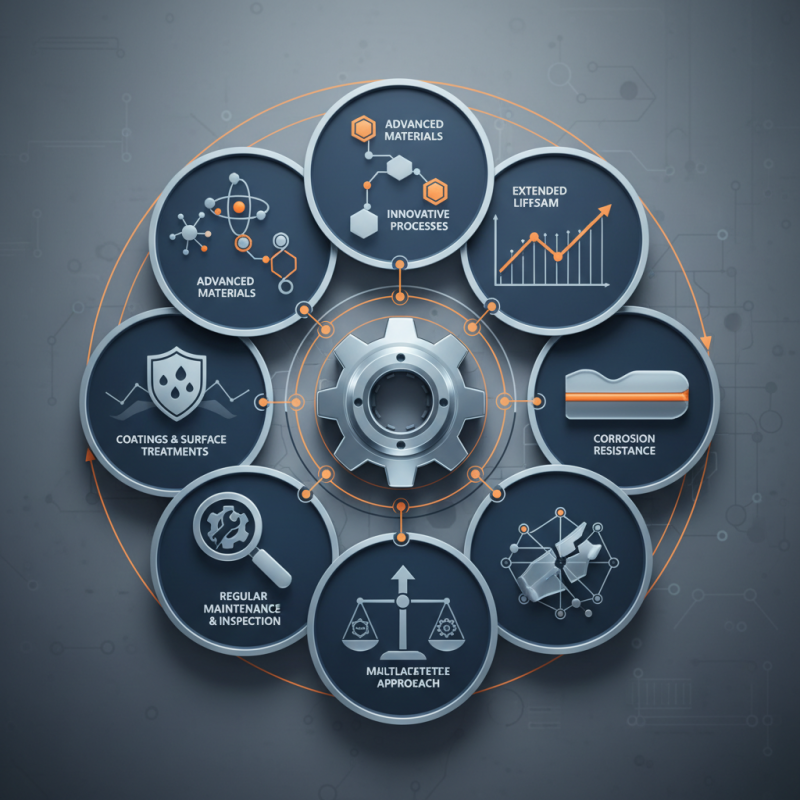
The durability of metal components plays a crucial role in various industries, particularly in manufacturing and aerospace. According to a recent study by the American Society of Mechanical Engineers, over 30% of equipment failures stem from material fatigue. This highlights the need for effective strategies on how to improve durability of metal components. Implementing advanced materials and innovative processes can significantly extend the lifespan of metal parts.
Moreover, a report from the International Journal of Materials Research indicates that using coatings and surface treatments can enhance corrosion resistance, a key factor in durability. However, organizations often overlook the importance of regular maintenance and inspection. Neglecting this can lead to premature failures and increased costs. Understanding how to improve durability of metal components involves a multifaceted approach, integrating material science and engineering practices.
While current solutions provide promising results, challenges remain. Companies must balance cost and performance when selecting materials. This complexity can lead to decisions that may not always yield the best outcomes. Continued research and development are necessary to address these issues effectively. Only then can we truly enhance the durability of metal components across various applications.
Metal components often face challenges that impact their durability. Several factors play a critical role in determining how long these components will last. Environmental conditions, such as humidity, temperature fluctuations, and exposure to chemicals, can degrade metals over time. Corrosion is a significant concern; it weakens the structure and affects performance.
Manufacturing processes also influence durability. The choice of alloys and heat treatments can enhance strength and resistance. However, poor production practices may introduce micro-defects, making the metal susceptible to failure. Regular maintenance is essential, but it’s easy to overlook routine checks, leading to unforeseen issues later on.
User behavior can significantly impact metal longevity. For instance, improper handling can create stress points that lead to cracks. Awareness of these factors is crucial. Ensuring the right use and care can prolong the life of metal components. Reflecting on past experiences can help identify areas for improvement and enhance future applications.
: Material selection affects performance in various conditions. Choosing the right alloys enhances metal component durability significantly.
High-strength steels are ideal. They withstand high stress and resist wear efficiently in demanding environments.
Factors like humidity and temperature impact durability. Metals can corrode when exposed to moisture, especially in salty air.
Regular inspections for rust and wear are crucial. Early detection helps prevent costly and extensive damage.
Protective coatings shield metals from moisture. Choosing coatings for specific environments enhances the components' durability.
Rapid temperature changes can cause thermal stress. Metals may expand and contract, leading to potential cracks.
Focus on properties like tensile strength and fatigue resistance. Test alloys, as some degrade over time unexpectedly.
Evaluate long-term benefits instead of short-term savings. This leads to more durable parts and saves resources.
Insulating metals from rapid temperature changes prevents stress and prolongs the lifespan of components.
Yes, some alloys may show good performance at first but deteriorate unexpectedly over time. Continuous evaluation is key.
The article "How to Enhance the Durability of Metal Components?" explores various strategies to improve the longevity and resilience of metal components. It begins by providing an overview of the key factors affecting metal durability, emphasizing the importance of material selection where choosing appropriate alloys can significantly enhance performance. Furthermore, the piece delves into surface treatment techniques, including various coatings and treatments that can provide protective barriers against wear and corrosion.
Additionally, the article discusses the crucial role of heat treatment in strengthening metal components and improving their overall structural integrity. It also addresses how environmental conditions impact the durability of metals, highlighting the need for regular maintenance to mitigate deterioration. Overall, readers will gain valuable insights into how to improve durability of metal components through informed choices in materials, treatments, and proactive care.

 Singer Cast