How to Ensure Dimensional Accuracy in Production for China Top 10?

Time:2026-05-19 Author:Aria
0%

Ensuring dimensional accuracy in production is critical for manufacturers operating in China. As one of the world’s largest production hubs, China presents unique challenges and opportunities in maintaining precision. Companies often face issues due to variability in materials and processes. These factors can lead to inconsistencies that impact product quality and customer satisfaction.

Understanding how to ensure dimensional accuracy in production involves a multi-faceted approach. Implementation of stringent quality control measures is essential. This includes fine-tuning machinery calibration and adopting advanced measurement techniques. Investing in skilled workers who understand precision can make a significant difference. Regular training on the latest technology is crucial for maintaining high standards.

While technology plays a vital role, human oversight remains indispensable. There are times when automated systems fail to detect subtle discrepancies. A balanced blend of human expertise and technical tools can mitigate this risk. Reflection on past errors can guide manufacturers in refining their processes. Continuous improvement is key to navigating the complexities of production in China’s dynamic environment.
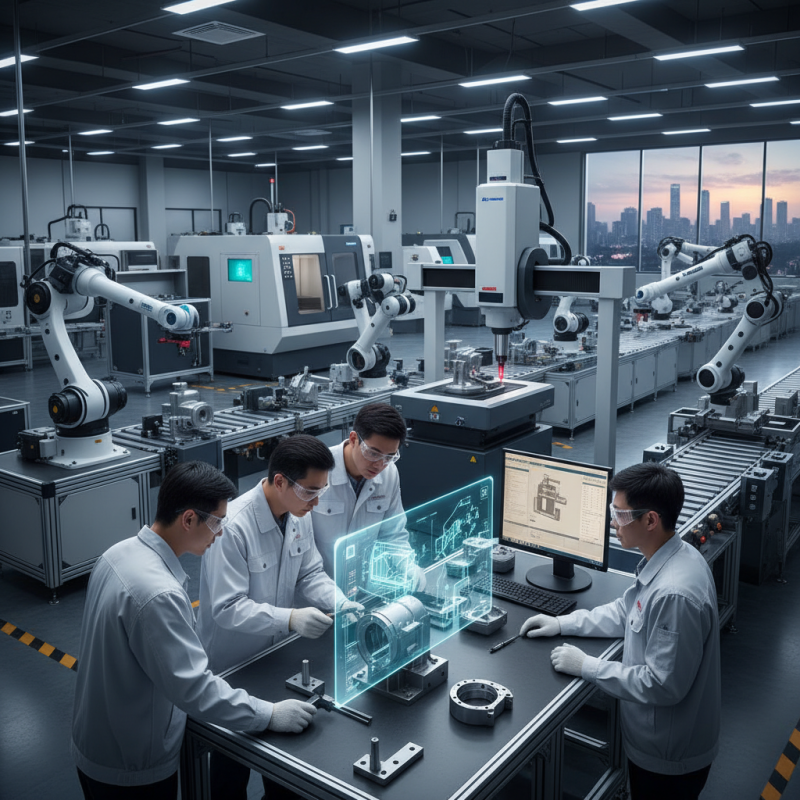
How to Ensure Dimensional Accuracy in Production for China Top 10?

Understanding Dimensional Accuracy in Manufacturing Processes

Dimensional accuracy is crucial in manufacturing processes. It refers to how closely a produced item adheres to its specified dimensions. Even a minor deviation can lead to significant issues in the final product's performance. For manufacturers, maintaining this precision is not just an option; it is a necessity.

To achieve dimensional accuracy, various factors must be considered, such as material selection and machining techniques. Different materials expand or contract differently, affecting measurements. Furthermore, machines need regular calibration to ensure consistent performance. Observing these practices can mitigate errors, but achieving perfection remains elusive.

Sometimes, overlooked aspects can lead to inaccuracies. For instance, environmental conditions like temperature and humidity can alter material behaviors. Continuous monitoring and adjustment are essential in these scenarios. Engaging skilled personnel is vital, yet even experienced workers can make mistakes. Therefore, implementing robust systems for quality control helps identify deviations early, promoting a culture of continuous improvement.

Key Factors Affecting Dimensional Accuracy in Production

Dimensional accuracy is a critical aspect of production, especially in industries that value precision. Several key factors can significantly influence this accuracy. One major factor is the choice of materials. Different materials can expand or contract, affecting the final dimensions. For example, metals behave differently at various temperatures compared to plastics. Manufacturers need to select materials based on their thermal properties and compatibility with production processes.

Another essential element is the machinery used in production. Machines must be calibrated correctly to maintain high precision. Over time, wear and tear can degrade their performance, leading to inaccuracies. Regular maintenance and updates to the machinery are necessary. Operators must be trained to recognize signs of wear and address them proactively.

Finally, the role of skilled labor cannot be underestimated. Experienced workers can identify potential errors that machines might miss. Their insights can improve the overall quality of the production process. However, relying solely on human inspection may not be sufficient. A combination of technology and expertise is crucial for achieving optimal results. Balancing these factors requires constant reflection and adjustment in production strategies.

Best Practices for Measuring Dimensional Accuracy

Measuring dimensional accuracy is crucial for successful production. Accurate measurements ensure that parts fit together as intended. One effective practice is to use calibrated measuring tools. Regular calibration helps maintain precision. Tools like micrometers and calipers can yield reliable data. Yet, even experienced workers can make mistakes. It's essential to double-check measurements to avoid errors.

In addition to tools, implementing standardized procedures is vital. Every team member should follow the same guidelines for measurement. This consistency reduces variability in results. Training employees on best practices fosters a culture of accuracy. However, not all teams may prioritize these practices equally. Regular audits can help refine measurement procedures and identify weaknesses.

Using digital measuring devices can increase accuracy further. These tools often provide real-time data and alerts, but they are not foolproof. Human error remains a factor. Ensuring every operator is trained on device usage is essential, but discrepancies can still occur. Addressing these gaps can improve overall dimensional accuracy in production.

Top Technologies to Ensure Dimensional Precision in Manufacturing

In today's manufacturing landscape, achieving dimensional accuracy is crucial. Various technologies play a pivotal role in ensuring precision. One effective method is Computer Numerical Control (CNC) machining. This technology allows for high levels of customization. Using digital designs, CNC machines can create complex shapes with tight tolerances. However, operators must be skilled. Mistakes in programming can lead to costly errors.

Another critical technology is laser scanning. This process captures detailed dimensions of a product. It helps identify discrepancies early in production. Laser scanners offer real-time feedback, enabling immediate corrections. Yet, reliance on technology alone can be risky. The human element is vital. Technicians must interpret data correctly. Misinterpretation can result in flawed products.

Additionally, implementing statistical process control (SPC) enhances dimensional accuracy. This technique monitors production processes through data analysis. By tracking variations, manufacturers can identify issues proactively. However, data overload can be a problem. Teams must focus on relevant metrics to avoid confusion. Balancing technology and skilled labor remains essential in maintaining precision.

Quality Control Methods for Maintaining Dimensional Standards

Maintaining dimensional accuracy in production is crucial, particularly in competitive markets. Quality control methods play a significant role in this process. One effective approach is the use of statistical process control (SPC). This method allows manufacturers to monitor variations in production. By analyzing data continuously, adjustments can be made promptly. It’s important not to ignore outliers, as they can indicate underlying problems.

Regular calibration of measuring tools is another key element. Tools can drift over time, leading to inaccuracies. Schedule routine checks to ensure they maintain precision. Additionally, educate staff on the importance of dimensional standards. Workers often have insights that can pinpoint potential issues. Strive for a culture of quality awareness. However, be prepared for setbacks. Mistakes will happen, and they can provide valuable lessons. Acknowledge these flaws openly to foster continuous improvement.

Implementing advanced technologies also enhances dimensional accuracy. Three-dimensional scanning, for instance, provides detailed insights into product specifications. However, reliance on technology may lead to complacency. Human oversight is still essential in discerning subtle issues. Balancing both technology and human expertise can create a robust quality control system. Remember, achieving perfection is a journey, not just a destination.

Dimensional Accuracy in Production

This bar chart illustrates the dimensional accuracy levels of various manufacturing processes used across top 10 factories in China, focusing on key metrics like tolerance levels, defect rates, and inspection frequency.

FAQS

: Why is measuring dimensional accuracy important?

: It ensures that parts fit together properly in production.

What tools are recommended for accurate measurements?

Calibrated tools like micrometers and calipers yield reliable data.

How can human error affect measurements?

Even experienced workers can make mistakes, highlighting the need for double-checking.

Why implement standardized procedures for measurement?

Consistent guidelines reduce variability and improve accuracy across the team.

What role does training play in dimensional accuracy?

Training fosters a culture of accuracy but not all teams may prioritize it equally.

How can technology assist in maintaining dimensional standards?

Digital measuring devices offer real-time data but can still be prone to human error.

What is statistical process control (SPC)?

SPC monitors production variations and allows timely adjustments based on data analysis.

Why should outliers not be ignored during measurements?

Outliers may indicate potential underlying problems that need addressing.

How can routine checks of tools improve accuracy?

Regular calibration prevents drift and maintains precision in measurements.

What is an important mindset for achieving dimensional accuracy?

Aim for continuous improvement while acknowledging that mistakes can provide valuable lessons.

Conclusion

In the manufacturing sector, ensuring dimensional accuracy in production is critical to achieving high-quality outputs. This article delves into the fundamental aspects of dimensional accuracy, discussing key factors that affect it, such as material properties, environmental conditions, and machinery precision. Understanding how to ensure dimensional accuracy in production involves implementing best practices for measurement and utilizing advanced technologies that provide greater precision.

Additionally, the article emphasizes the importance of robust quality control methods to maintain dimensional standards throughout the production process. By integrating effective measurement strategies and leveraging innovative tools, manufacturers can significantly enhance their capability to meet stringent dimensional requirements, ultimately leading to improved product quality and customer satisfaction.

Aria

Aria

Aria is a dedicated marketing professional with a deep passion for innovative strategies and a keen understanding of our company's product offerings. With a wealth of experience in the industry, Aria excels at crafting engaging content that highlights the unique features and benefits of our......