Understanding what affects the quality of cast metal parts is crucial for buyers in various industries. Quality impacts both performance and durability. A small flaw can lead to significant failures, resulting in costly consequences. Buyers need to consider several factors to ensure they receive the best products.
Materials play an essential role in determining quality. The type of metal used directly correlates with mechanical properties. Variations in alloy composition can also affect strength and wear resistance. Moreover, the melting process and temperature must be precisely controlled. Any inconsistency can lead to defects.
Additionally, the expertise of the foundry affects the final product. Skilled technicians understand how to minimize imperfections. They apply techniques and tools that enhance quality. In contrast, less experienced teams might overlook critical details. This discrepancy highlights a need for buyers to thoroughly assess their suppliers. Prioritizing quality assurance can ultimately save resources and enhance project outcomes.
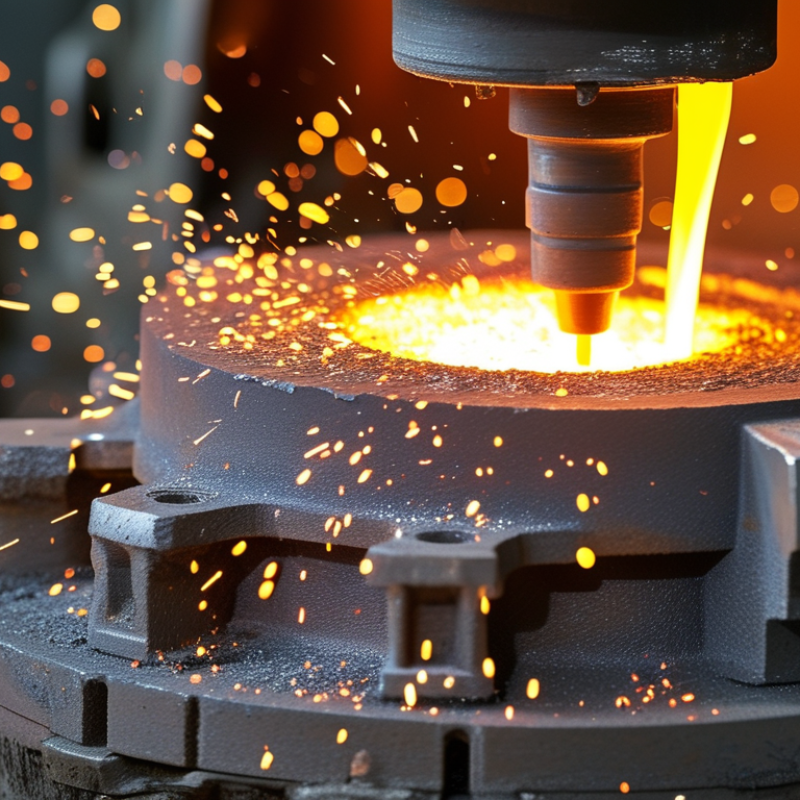
Material selection is crucial when it comes to producing quality cast metal parts. The characteristics of the chosen metal directly impact the performance and longevity of the final product. A recent study by the American Foundry Society noted that about 35% of defects in casting are attributed to material choices. This underscores the importance of understanding materials' properties.
Different applications demand different attributes. For instance, aerospace components require lightweight and high-strength materials. According to the International Journal of Metalworking, aluminum alloys often meet these requirements, offering an impressive strength-to-weight ratio. Conversely, for construction applications, ductility and corrosion resistance may be prioritized. Steel is commonly chosen in these contexts, revealing how needs dictate material selection.
Buyers should also consider the environment in which the parts will operate. Factors such as temperature, pressure, and exposure to chemicals can affect material performance. A survey conducted by the Foundry Industry Association indicated that nearly 50% of engineers faced issues due to overlooked environmental conditions during material selection. Such challenges highlight the need for thorough consideration of application-specific factors to avoid costly missteps.
The casting process significantly impacts the quality of metal parts. Various factors during casting can lead to defects. For instance, temperature control during melting is crucial. A study by the American Foundry Society revealed that improper temperatures may result in porosity issues, affecting strength.
Additionally, the choice of mold material plays a vital role. High-quality molds lead to better surface finishes. According to industry standards, molds made from sand can lead to rougher textures compared to those made from metal. Poor mold quality may diminish product aesthetics, which buyers often seek.
It’s essential to consider the cooling rate as well. Rapid cooling can generate internal stresses, leading to cracks. Research suggests that an optimal cooling rate is critical to achieving desired mechanical properties. Buyers might find that inconsistencies in the casting process can lead to variability in product quality, which may necessitate further inspections and rework. Addressing these factors can enhance overall reliability and longevity of cast metal parts.
Design specifications play a crucial role in the production of cast metal parts. They handle everything from material selection to dimensional tolerances. The right specifications help eliminate defects and ensure consistent quality. According to a report by the American Foundry Society, over 40% of casting defects stem from inadequate design specifications.
Inadequate planning can lead to major issues. For example, incorrect tolerances can result in parts that do not fit properly, causing assembly problems. A study by the National Institute of Standards and Technology revealed that nearly 30% of manufacturing errors can be traced back to poor design.
Engineers must prioritize clarity and detail. Vague specifications create room for misinterpretation. Effective communication between design and production teams reduces the likelihood of costly errors. Implementing standardized design protocols can enhance the reliability of cast metal parts. However, many organizations still struggle with this aspect, which ultimately affects their competitiveness in the market.
Quality control is critical in metal casting to ensure the reliability and performance of cast metal parts. According to a report by the American Foundry Society, approximately 15% of cast parts fail quality checks. This statistic highlights the need for robust quality control measures. Effective techniques include process monitoring, statistical analysis, and thorough inspections.
In metal casting, defects such as porosity or dimensional inaccuracies can arise from inconsistencies in raw materials. Maintaining a strict supplier evaluation process can reduce these risks. The use of advanced technologies, like 3D printing for molds, has shown promising results. A recent study showed that this method improved dimensional accuracy by over 20%.
Inspection practices are vital. Non-destructive testing methods, such as ultrasonic and radiographic inspections, help identify internal flaws that visual checks might miss. Despite these advancements, many foundries still face challenges in implementing comprehensive quality assurance programs. The barriers often include a lack of skilled labor and outdated equipment. Addressing these gaps is essential for enhancing the quality of cast metal parts.
When it comes to cast metal parts, the experience of the supplier plays a critical role. Suppliers with years of experience have honed their skills and processes. They understand the nuances of metallurgy and can select the right materials for specific applications. Their expertise helps in preventing common manufacturing defects. This experience directly impacts the final quality of the products.
Reliable suppliers invest in quality control measures. They know how to implement rigorous testing throughout the production process. Experienced suppliers often have established relationships with reliable raw material sources. This connection ensures consistent quality in their outputs. However, not all suppliers maintain the same level of scrutiny. It’s essential to evaluate their quality assurance practices.
Choosing a seasoned supplier can also mitigate risks. New suppliers may lack the necessary knowledge to anticipate common issues. This can lead to production delays and increased costs. Buyers should consider the track record of suppliers before partnering. A thorough evaluation based on past performance can yield beneficial outcomes for both parties.
| Quality Factor | Description | Importance Level (1-5) |
|---|---|---|
| Supplier Experience | The number of years a supplier has been in the industry and their expertise in manufacturing cast metal parts. | 5 |
| Quality Control Processes | Methods and protocols in place for monitoring and inspecting the quality of cast parts throughout production. | 5 |
| Material Used | Type and grade of metal used, influencing the durability and performance of the final product. | 4 |
| Technical Expertise | The supplier's technical knowledge and skill level in casting processes and defects handling. | 4 |
| Customer Feedback | Gathering and analyzing past customer reviews to gauge satisfaction and quality standards. | 3 |
| Certifications & Standards | Industry certifications and compliance with standards for quality assurance. | 5 |
: Design specifications guide material selection and dimensional tolerances, ensuring consistent quality and reducing defects.
Poor specifications lead to improper fitting and assembly problems, with significant manufacturing errors traced back to them.
Clear specifications reduce misinterpretation. Effective communication between teams lowers the risk of expensive errors.
Quality control ensures that cast metal parts perform reliably. Approximately 15% of parts fail quality checks.
Issues like porosity arise from material inconsistencies, which strict supplier evaluations can help minimize.
Using technologies like 3D printing for molds has improved accuracy by over 20%, demonstrating innovative methods.
Non-destructive testing, such as ultrasonic checks, identifies internal flaws that visual inspections might overlook.
Experienced suppliers understand metallurgy, helping to prevent defects and ensure better material selection.
Buyers should evaluate suppliers' quality assurance practices and their past performance to mitigate risks.
Many foundries struggle with outdated equipment and a lack of skilled labor, which hampers quality initiatives.
The quality of cast metal parts is influenced by various crucial factors. Firstly, material selection plays a vital role, as the properties of the chosen metal significantly affect durability and performance. Additionally, the casting process itself impacts the final product quality; techniques such as sand casting or die casting can produce varying results based on their specific characteristics. Moreover, design specifications are essential, as they dictate the dimensions and tolerances that must be achieved for optimal performance.
Quality control measures are also critical in ensuring that the production process meets the required standards, helping to identify any defects early on. Finally, the experience of the supplier can greatly influence what affects the quality of cast metal parts, as skilled manufacturers are more likely to implement effective practices that enhance overall product reliability. Understanding these factors is essential for buyers to ensure they receive high-quality cast metal components.

Singer Cast