In today's global market, understanding "what factors influence production lead time" in China is crucial for businesses. A recent report by the China Federation of Logistics and Purchasing highlighted that production lead times can vary significantly, often ranging from two weeks to several months. Factors such as raw material availability, labor conditions, and manufacturing processes play a pivotal role in this variation.
According to Dr. Li Wei, a renowned expert in supply chain management, "Production lead time is a mirror reflecting the efficiency of the entire supply chain." His insights emphasize the importance of not only streamlining processes but also addressing the complexity of logistics. Disruptions, whether from natural disasters or regulatory changes, can lead to extended lead times, posing challenges for manufacturers and their clients.
Additionally, local government policies and infrastructure development can impact manufacturing timelines. Certain regions are better equipped to handle production demands, while others may lag due to inadequate facilities. It is essential for companies to navigate these factors effectively to maintain a competitive edge in production efficiency. Understanding these influences requires continuous evaluation and adaptation in strategy.
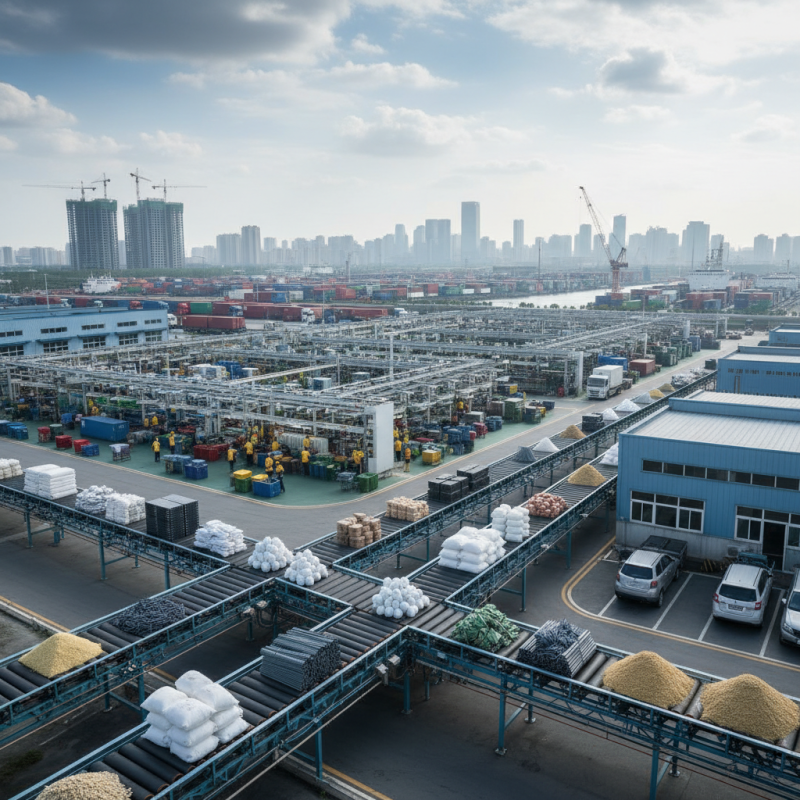
In Chinese manufacturing, supply chain efficiency directly impacts production lead times. Delays in procurement can extend lead times significantly. According to a study by the China Federation of Logistics and Purchasing, about 30% of manufacturing delays stem from inefficient supply chain processes. This statistic highlights the need for optimized logistics operations.
One critical aspect is inventory management. Poor inventory control can lead to stockouts. These shortages cause production halts and delivery delays. A report by Deloitte indicates that around 40% of companies experience increased lead times due to high inventory levels. This suggests a balance is necessary. Companies must analyze their demand patterns carefully.
Supplier relationships also play a pivotal role. Companies often overlook the impact of supplier reliability on lead times. A strong partnership can enhance communication and reduce delays. However, many manufacturers fail to address this, leaving gaps in efficiency. Research by McKinsey shows that firms with solid supplier partnerships report 25% shorter lead times. This underlines a crucial area for improvement.
: Supply chain efficiency is impacted by inventory management, supplier relationships, and procurement processes.
It can lead to stockouts, halting production and causing delivery delays.
About 30% of delays stem from inefficient supply chain processes.
Reliable suppliers enhance communication, reducing lead times and improving efficiency.
Skill mismatches and labor shortages can extend production lead times significantly.
Only 30% of workers have advanced technical training, leading to inefficiencies.
Compliance checks and unexpected regulations can introduce significant delays.
Stay informed about laws and create contingency plans to handle potential changes.
Companies may face prolonged production timelines and increased inefficiencies.
It can mitigate labor shortages and ensure timely production even during peak seasons.
Production lead time is critical in the manufacturing sector, particularly in China, where various factors play a significant role. Understanding what factors influence production lead time is essential for optimizing efficiency and meeting market demands. Key contributors include supply chain efficiency, labor availability and skill levels, material sourcing and quality control, as well as the integration of production technology and automation. Additionally, the regulatory environment and associated policies can significantly affect manufacturing processes, further impacting lead time.
Efficient supply chain management ensures timely delivery of materials, while a skilled workforce can reduce delays in production schedules. Furthermore, sourcing high-quality materials is crucial for maintaining production speed and standards. The advent of advanced technology and automation enhances operational efficiency, thereby shortening lead times. In summary, addressing these multifaceted factors is vital for manufacturers seeking to improve their production timelines in the competitive landscape of Chinese manufacturing.

 Singer Cast