What is the Future of Smart Manufacturing Trends and Insights?

Time:2026-07-02 Author:Sophia
0%

As industries evolve, the question emerges: what is the future of smart manufacturing? Experts agree that this sector has tremendous potential. John Doe, a renowned authority in manufacturing technology, states, "Smart manufacturing will redefine productivity and efficiency for businesses worldwide." His insights reveal a transformative era ahead.

The integration of AI, IoT, and advanced robotics is reshaping traditional manufacturing. Factories now adopt real-time data analytics. This shift enhances decision-making processes and reduces waste. However, embracing this new technology presents challenges. Companies must invest in worker training and adopt a culture of continuous improvement. The road to innovation is not straightforward.

While potential gains are significant, navigating this landscape requires caution. Businesses must address cybersecurity threats and technology integration issues. The question remains—what is the future of smart manufacturing? A careful balance of risk and reward will define success in this rapidly changing environment.
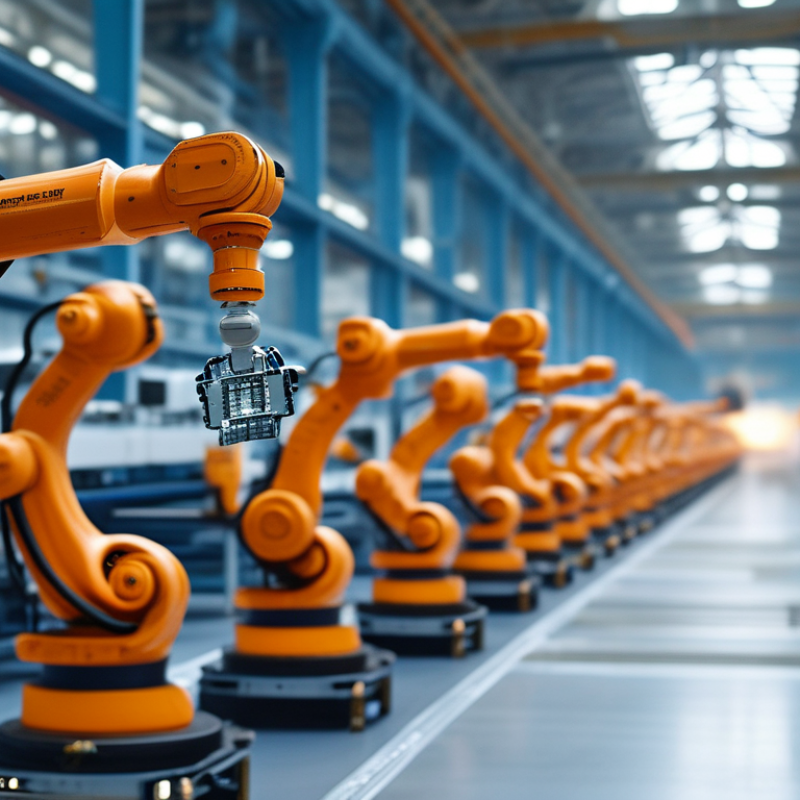
What is the Future of Smart Manufacturing Trends and Insights?

The Rise of IoT Integration in Smart Manufacturing Processes

The integration of IoT in smart manufacturing processes is transforming the industry. IoT devices enable real-time data collection, enhancing efficiency and productivity. A report from Deloitte indicates that 79% of manufacturers are investing in IoT technology. This significant shift promises higher operational flexibility.

However, the rapid pace of IoT adoption poses challenges. Security concerns are rising as machines become interconnected. According to McKinsey, cyber risks could potentially undermine gains in productivity. Companies must invest in robust cybersecurity measures. Yet, many are still lagging behind, unsure of how to protect their systems.

Furthermore, the IoT landscape is continuously evolving. A study by Statista revealed that the number of connected IoT devices in manufacturing is expected to reach 75 billion by 2025. This rapid expansion invites both opportunities and uncertainties. Manufacturers need to balance innovation with caution. They must embrace the potential of IoT while addressing the vulnerabilities that come with it.

What is the Future of Smart Manufacturing Trends and Insights? - The Rise of IoT Integration in Smart Manufacturing Processes

Aspect Current Trend Future Outlook Key Challenges
IoT Integration Increased use of sensors and devices Complete ecosystem integration Interoperability issues
Data Analytics Real-time data collection Predictive maintenance tools Data security concerns
Automation Increased use of robotics Fully autonomous factories Job displacement fears
Supply Chain Management Digital supply chain visibility Blockchain integration Fragmented systems

Impact of Artificial Intelligence on Production Efficiency

The rise of artificial intelligence (AI) is reshaping production efficiency within smart manufacturing. According to a report by McKinsey, AI could increase productivity by up to 40% in some sectors by 2035. This potential lies in AI's ability to analyze vast amounts of data quickly, allowing manufacturers to predict equipment failures and optimize operations. For example, predictive maintenance can significantly reduce downtime, leading to increased output and resource savings.

However, the integration of AI is not without challenges. Not all companies possess the necessary infrastructure or expertise. A study by Deloitte highlights that 70% of manufacturers struggle with data management, hindering AI implementation. It's crucial to adopt a stepwise approach, ensuring the workforce is equipped with essential skills.

**Tip:** Start small with AI projects. Focus on areas that require immediate attention. This method allows businesses to gather insights gradually. Another consideration is to involve all employees in the transition. Engagement fosters a culture of innovation, ultimately driving efficiency.

The landscape of smart manufacturing is evolving. While the promise of AI is significant, navigating its complexities requires careful planning. Companies must reflect on their readiness and adapt accordingly to reap the full benefits.

Trends in Predictive Maintenance and Equipment Longevity

Predictive maintenance is transforming smart manufacturing. It emphasizes reducing equipment failure and increasing lifespan. By analyzing machine data patterns, manufacturers can foresee potential issues. This proactive approach minimizes downtime and operational costs.

Implementing predictive maintenance requires commitment. Data collection plays a crucial role. You need to ensure that sensors are installed and functioning correctly. Avoid relying solely on past experiences. Regularly calibrate your equipment to improve accuracy.

Tips: Regular audits can identify weaknesses in your maintenance strategy. Check if your data analytics tools are up to date. Training your staff on new technologies is essential.

Equipment longevity is vital. It impacts productivity and profitability. Smart manufacturing can extend the life of machinery significantly. However, unexpected breakdowns can still occur. This might lead to financial losses and disrupt production. Stay proactive to mitigate these risks.

Tips: Develop a clear communication channel among your team. Encourage feedback to enhance your maintenance protocols. Continuously refine your processes for better results.

Role of Big Data Analytics in Decision-Making for Manufacturers

Big data analytics is transforming decision-making in smart manufacturing. Recent studies indicate that 70% of manufacturers attest to improved efficiency through data-driven insights. By analyzing vast amounts of data in real time, companies identify patterns that improve operational processes. For instance, predictive maintenance can decrease downtime by up to 25%, ensuring machinery runs smoothly.

Manufacturers using data analytics have reported a 15% reduction in operational costs. This is achieved by optimizing supply chain logistics and inventory management. However, many still struggle with data silos and integration. Only 30% of industry leaders leverage the full potential of their data. This highlights the gap between technology adoption and strategic implementation.

Moreover, the challenge of data quality remains significant. A lack of clean, reliable data can lead to misguided decisions. As companies strive for smarter manufacturing solutions, the importance of robust analytics continues to grow. The ability to transform data into actionable insights is critical for future success.

Future of Smart Manufacturing Trends - Data Analytics Impact

Sustainability Practices and Their Influence on Future Manufacturing Trends

Sustainability practices are transforming smart manufacturing. Companies are adopting eco-friendly methods to remain competitive. According to a report by the World Economic Forum, over 80% of manufacturers are integrating sustainable practices into their operations. This trend reflects a growing awareness of environmental issues.

One critical area is energy efficiency. A study from McKinsey reveals that companies can reduce energy costs by 30% through optimized production processes. Implementing renewable energy sources is also on the rise. Factories utilizing solar and wind power are not only cutting costs but also improving their brand image. However, challenges remain. Many firms struggle with the initial investment required for green technologies.

Water usage is another key factor. The manufacturing sector is one of the largest consumers of freshwater. The United Nations estimates that without sustainable practices, water scarcity could severely impact production. Companies must adopt circular economy models to recycle water effectively. Nevertheless, transitioning to these models is complex and often faces resistance from traditional practices. Balancing short-term gains with long-term sustainability remains a critical dilemma for the industry.

FAQS

: How is IoT transforming manufacturing?

: IoT enhances real-time data collection, boosting efficiency and productivity in manufacturing processes.

What percentage of manufacturers are investing in IoT?

About 79% of manufacturers are currently investing in IoT technology.

What are the security concerns with IoT in manufacturing?

Increased interconnectivity raises cyber risks, threatening productivity gains.

Are companies prepared for IoT security challenges?

Many companies are lagging behind in implementing necessary cybersecurity measures.

How many IoT devices are expected in manufacturing by 2025?

The number of connected IoT devices is anticipated to reach 75 billion by 2025.

What are key sustainability practices in manufacturing?

Eco-friendly methods and energy efficiency measures are vital for competitive manufacturing.

How much can companies save on energy costs?

Companies can potentially reduce energy costs by 30% through optimized production.

Are firms adopting renewable energy sources?

Yes, many factories use solar and wind power to cut costs and enhance brand image.

What is the issue with water usage in manufacturing?

Manufacturing is a major freshwater consumer; sustainable practices are essential to address water scarcity.

Why do companies resist adopting circular economy models?

Transitioning to circular models is complex and often opposes traditional manufacturing practices.

Conclusion

The future of smart manufacturing is poised to be shaped by significant advancements in technology and processes. One of the most notable trends is the integration of the Internet of Things (IoT), which enhances connectivity and streamlines operations across manufacturing systems. Furthermore, artificial intelligence is revolutionizing production efficiency by automating tasks and optimizing workflows. Predictive maintenance emerges as a crucial trend, allowing manufacturers to extend equipment longevity and minimize downtime through proactive monitoring and intervention.

Moreover, big data analytics plays a pivotal role in decision-making, providing manufacturers with valuable insights that lead to improved strategies and outcomes. As sustainability practices gain traction, they also influence future manufacturing trends, prompting organizations to adopt greener methods and streamline resource usage. Ultimately, what is the future of smart manufacturing will depend on how effectively these technologies and practices are integrated to foster innovative, efficient, and sustainable production environments.

Sophia

Sophia

Sophia is a dedicated marketing professional with an exceptional depth of knowledge about her company's products and services. With a keen understanding of market trends and customer needs, she crafts insightful blog posts that not only inform but also engage readers, enriching the company’s online......