What Are the Latest Metal Manufacturing Trends in 2026?

Time:2026-09-11 Author:Sienna
0%

Metal manufacturing is entering 2026 under pressure to produce faster, cleaner, and more reliably. Manufacturers are investing in artificial intelligence, robotics, additive manufacturing, and connected factory systems. These technologies are changing how engineers design parts, monitor machines, and control production quality.

So, what are the latest trends in metal manufacturing? The strongest developments include AI-assisted machining, digital twins, low-carbon melting, recycled metal inputs, and advanced alloys for demanding applications. A factory may now use sensors to detect tool wear before a visible defect appears. Digital twins can also model heat, stress, and production delays before physical materials are consumed. These capabilities support better decisions, but they still require experienced technicians and dependable data.

Sustainability is becoming a practical manufacturing requirement, not simply a marketing message. Producers are measuring energy use, scrap rates, water consumption, and material traceability more carefully. Electric furnaces and renewable power can reduce emissions, although their benefits depend on regional energy sources. That detail is easy to overlook. Additive manufacturing is expanding, yet it remains expensive for many large-volume products. Human judgment still matters when software produces an attractive but impractical design.

This introduction examines the technologies, materials, and operational strategies shaping metal manufacturing in 2026. It also considers risks, including cybersecurity, workforce shortages, inconsistent data, and unrealistic automation expectations. Progress is real, but it is uneven. Reliable results will come from combining measurable innovation with proven engineering practice.
What Are the Latest Metal Manufacturing Trends in 2026?

Key Drivers Shaping Metal Manufacturing in 2026

What Are the Latest Metal Manufacturing Trends in 2026?

Key Drivers Shaping Metal Manufacturing in 2026

Metal manufacturing in 2026 is being reshaped by energy pressure, automation, and stricter customer expectations. Energy prices remain unpredictable, so factories are tracking electricity use by furnace, shift, and production batch. More facilities are combining induction heating, heat recovery, and renewable power contracts. These changes reduce emissions, but they also require expensive equipment upgrades and careful maintenance.

Artificial intelligence is moving beyond demonstrations. It now supports visual inspection, tool wear prediction, production scheduling, and scrap analysis. On a typical line, cameras can detect surface cracks before parts reach final inspection. Digital records also improve material traceability, especially for safety-critical components. However, poor data still produces poor decisions. Some manufacturers install advanced software before fixing inconsistent measurements, which creates confusion rather than efficiency.

Supply chain resilience remains another powerful driver. Buyers want shorter lead times, regional suppliers, and clearer evidence of responsible production. This demand is encouraging flexible machining cells, additive metal processes, and smaller batch manufacturing. Skilled workers remain essential, despite rising automation. They interpret unusual sounds, unstable temperatures, and defects that sensors may miss. The industry sometimes treats human experience as outdated. That is a mistake. In practice, the strongest plants combine operator judgment with reliable digital evidence, while testing improvements gradually instead of trusting impressive promises.

Advanced Automation, Robotics, and Intelligent Production Systems

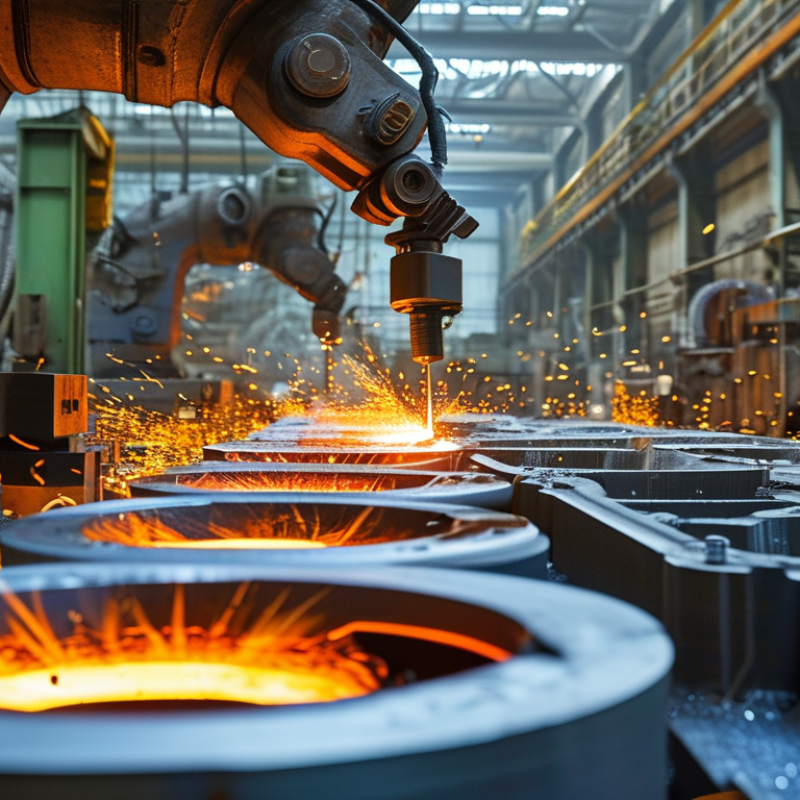
In 2026, metal manufacturers are moving from isolated automation toward connected production cells. Robotic arms now load furnaces, transfer hot billets, and measure finished parts. Vision systems inspect welds while sensors track vibration, temperature, and tool wear. The useful change is not speed alone. It is faster, evidence-based decisions on the factory floor. Operators can view a live process map instead of checking scattered screens.

Intelligent production systems combine machine data with schedules and quality records. A control platform can adjust cutting parameters when vibration suggests tool degradation. Digital twins help engineers test material flow before moving equipment. This reduces trial runs, but it does not remove practical judgment. Reflective metal surfaces still confuse some vision cameras. Dust, heat, and irregular batches can weaken model accuracy. Experienced technicians remain essential for calibration, fault diagnosis, and safe intervention. That human layer supports reliable output.

The strongest 2026 programs begin with measurable tasks, such as robotic loading or automated inspection. Teams should verify data quality before trusting predictive alerts. They also need clear access controls, safety interlocks, and regular system audits. Small pilot cells often reveal hidden downtime and poor sensor placement. Some projects will underperform. That is not failure if teams document why and redesign carefully. A five-minute warning can prevent a damaged tool, but only when the sensor data is trustworthy.

Latest Metal Manufacturing Trends in 2026

Global annual installations of industrial robots reached more than half a million units in recent years, reflecting the continued adoption of advanced automation, robotic handling, machine vision, and intelligent production systems in metal manufacturing. The figures represent all industries and are used as a broad indicator of automation momentum.

Source: International Federation of Robotics, World Robotics reports; global annual industrial robot installations, 2019–2024.

Sustainable Materials, Energy Efficiency, and Low-Carbon Processing

What Are the Latest Metal Manufacturing Trends in 2026?

Sustainable Materials, Energy Efficiency, and Low-Carbon Processing

Metal manufacturers are increasing recycled content in steel, aluminum, and copper products. Recycled feedstock can reduce mining pressure and lower production emissions. However, quality depends on careful sorting, contamination control, and reliable material records. Plant assessments often reveal that scrap handling creates unexpected losses. Better separation systems can improve both yield and consistency.

Energy efficiency is becoming a daily operating priority. Manufacturers are installing heat recovery units, efficient induction systems, and real-time energy meters. These tools identify waste during melting, reheating, and compressed-air production. Low-carbon processing is also developing through renewable electricity, hydrogen trials, and improved furnace insulation. Hydrogen is promising, but it is not automatically clean. Its impact depends on production methods, transport, and local energy sources. Some projects remain expensive and technically incomplete.

Tips: Measure energy per finished kilogram, not only total monthly consumption. Request verified lifecycle data from material suppliers. Test recycled inputs in small production batches first. Keep detailed records for carbon, water, and process quality. Targets should be ambitious, but practical. A lower-emission process that produces excessive scrap may need further review.

Additive Manufacturing and Next-Generation Metal Fabrication

In 2026, additive manufacturing is becoming a production method, not merely a prototyping tool. The Wohlers Report 2024 valued the global additive manufacturing industry at 20.035 billion dollars in 2023, with 13.5% annual growth. Metal powder bed fusion now supports lighter brackets, heat exchangers, and customized medical components. Designers are reducing assembly points through internal channels and lattice structures. The results can be impressive. They can also be difficult to inspect.

Process control is becoming more important than printer speed. Operators monitor melt-pool temperature, layer images, oxygen levels, and powder condition. Digital twins help compare live production data with qualified process windows. However, reused powder may change flowability and oxygen content. A perfect simulation cannot remove that uncertainty. The industry still needs more shared testing methods, especially for fatigue performance and repairability.

Next-generation fabrication combines wire-arc deposition, laser deposition, robotic forming, and high-speed machining. These hybrid cells can deposit material near its final shape, then finish critical surfaces with cutting tools. The International Energy Agency estimates that steelmaking creates roughly 8% of global carbon dioxide emissions. Material efficiency therefore matters, but energy-intensive printing is not automatically greener. Scrap reduction, local production, renewable electricity, and realistic lifecycle data must be measured together. A cheaper part is not always a better part.

Digital Supply Chains, Smart Factories, and Workforce Development

Digital supply chains are reshaping metal manufacturing in 2026. Production teams can track coils, billets, and finished parts through connected records. A shipment delay now appears beside furnace schedules and customer deadlines. This visibility helps managers adjust orders before idle machines consume valuable hours. Yet data quality remains uneven. An outdated material code can still distort an otherwise intelligent plan.

Smart factories are becoming more practical, not merely more impressive. Sensors measure vibration, temperature, energy use, and tool wear during production. Operators receive alerts before a cutting tool damages a costly component. Digital twins also test process changes without stopping the line. However, automated recommendations need human review. A clean dashboard does not guarantee a correct decision.

Workforce development is therefore central to this transition. Technicians need training in robotics, data interpretation, maintenance, and basic cybersecurity. Short sessions beside real equipment often work better than distant classroom theory. One useful exercise compares sensor readings with a technician’s physical inspection. The results may disagree. That disagreement deserves investigation, not embarrassment. Experienced workers understand noise, heat, and machine behavior that software may miss. Younger employees bring confidence with digital systems. Strong plants connect both forms of knowledge through mentoring, documented procedures, and regular skills testing.

FAQS

: What is changing in metal manufacturing in 2026?

: Factories are connecting robots, sensors, schedules, and quality records. Speed is not enough. Faster decisions now matter more.

How are robots used in metal production?

Robotic arms load furnaces, move hot billets, and inspect finished parts. They can also support welding and cutting operations. Human supervision remains necessary.

What do intelligent production systems monitor?

They track vibration, temperature, tool wear, energy use, and process quality. A control system may adjust cutting settings when tools begin degrading. Only reliable data deserves trust.

Can digital twins remove production problems?

Digital twins test material flow before equipment moves. They reduce trial runs and reveal possible bottlenecks. They cannot replace practical judgment. Real factories remain messier.

What limits automated inspection?

Reflective surfaces can confuse vision cameras. Dust, heat, and irregular batches may reduce accuracy. Technicians still calibrate cameras and diagnose faults. People still matter.

How can manufacturers reduce emissions?

They can use recycled materials, heat recovery, efficient furnaces, and renewable electricity. Hydrogen may help, but its cleanliness depends on production and transport. Measure energy per finished kilogram.

What should companies check before using recycled metal?

They should control sorting, contamination, material records, and batch consistency. Small trials can expose hidden quality problems. More recycled content is not automatically better.

Is additive manufacturing ready for production?

It now supports brackets, heat exchangers, and customized medical components. Operators monitor melt-pool temperature, layer images, oxygen, and powder condition. Inspection remains difficult.

Why is powder condition important?

Reused powder can change flowability and oxygen content. These changes may affect strength and consistency. A perfect simulation cannot remove that uncertainty.

What makes a manufacturing pilot successful?

Start with measurable tasks, such as robotic loading or automated inspection. Check sensor placement and data quality. Use access controls, safety interlocks, and regular audits. Some pilots underperform. Document the reasons, then redesign carefully.

Conclusion

Metal manufacturing in 2026 is being reshaped by the need for greater productivity, flexibility, sustainability, and resilience. So, what are the latest trends in metal manufacturing? Key developments include advanced automation, robotics, and intelligent production systems that improve precision, reduce downtime, and support safer working environments. Manufacturers are also adopting data-driven processes to monitor equipment, optimize quality, and respond quickly to changing demand.

Sustainability is becoming equally important, with increased attention to recycled materials, energy-efficient machinery, renewable power, and low-carbon processing methods. Additive manufacturing and other next-generation fabrication techniques are enabling lightweight, customized, and complex components while reducing material waste. At the same time, digital supply chains and smart factories are improving coordination from sourcing to delivery. To support these changes, companies are investing in workforce development, combining technical training with digital skills so employees can operate, maintain, and improve increasingly connected manufacturing systems.

Sienna

Sienna

Sienna is a skilled marketing professional with a deep expertise in our company’s core products and services. With a passion for innovation and detail, she plays a pivotal role in crafting insightful blog posts that not only highlight the unique features of our offerings but also provide valuable......