What Is Manufacturing Consistency and How to Maintain It

Time:2026-10-21 Author:Ethan
0%

Manufacturing consistency means producing the same quality, performance, and appearance across every shift and batch. It does not mean making identical products blindly. It means controlling acceptable variation with evidence, discipline, and continuous learning. A calibrated torque wrench, stable temperature, and verified material lot can protect an entire production run.

The business case is substantial. Deloitte’s 2024 Smart Manufacturing and Operations Survey found that 86% of surveyed leaders expect smart manufacturing to become a major competitiveness driver within five years. The World Economic Forum’s Global Lighthouse Network also documents measurable improvements in productivity, quality, delivery, and sustainability at advanced manufacturing sites. These reports show that consistency depends on connected processes, not isolated machines.

For manufacturers asking how to maintain consistency in large-scale manufacturing, the answer begins with clear standards and repeatable controls. Document critical process parameters, inspection points, equipment settings, and response actions. Use statistical process control to detect drift before defects reach customers. Train operators with practical work instructions, not vague reminders. Audit suppliers, verify incoming materials, and review traceability records regularly.

Technology helps, but it is not a cure. A clean dashboard can still hide poor sampling or incorrect sensors. No plant is perfectly consistent. Human fatigue, tool wear, humidity, and rushed changeovers create small risks daily. Strong teams therefore compare production data with physical evidence. They investigate recurring deviations without blaming individuals. They also update procedures when reality exposes a weakness. That reflective discipline turns consistency from a target into a dependable operating habit.
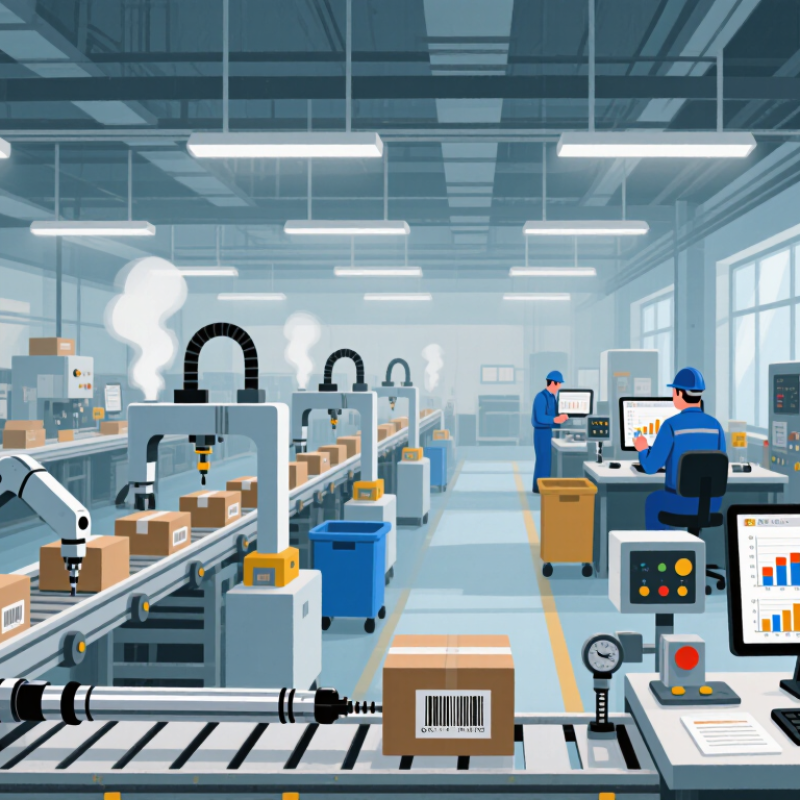
What Is Manufacturing Consistency and How to Maintain It

Defining Manufacturing Consistency and Its Core Principles

Manufacturing consistency means producing parts that meet the same requirements, shift after shift. It is not absolute sameness. Small variations can exist within approved tolerances. The core principles are stable processes, clear specifications, capable equipment, trained people, and reliable measurement. A drawing may define a 0.2-millimeter tolerance, but the process must repeatedly achieve it. In production audits, I look beyond final inspection. Temperature, tool wear, material batches, and operator methods often explain hidden variation.

Consistency also depends on traceability. Each batch should connect to its settings, materials, inspection results, and responsible shift. Calibration must follow a defined schedule, not personal judgment. Standard operating procedures should show practical details, such as torque values, sampling frequency, and acceptable surface conditions. Feedback must move quickly from inspectors to operators and process engineers. Otherwise, the same defect quietly returns. Perfect control is unrealistic. A well-designed process still deserves regular challenge.

Tips: Record process data at the point of work. Use control charts to spot drift before failure occurs. Compare results across shifts, not only across machines. Train with real samples, including borderline parts. Review procedures after every recurring defect. Keep instructions short and visible. One overlooked step can matter. Avoid changing several variables at once, because the real cause may disappear before anyone identifies it.

Key Factors That Influence Consistent Manufacturing Results

What Is Manufacturing Consistency and How to Maintain It

Manufacturing consistency means producing items within the same approved specifications, shift after shift. It covers dimensions, strength, appearance, performance, and packaging accuracy. A stable result starts with a clear process, not only a final inspection. Teams should define measurable limits for every critical feature. For example, a molded part may require a specific wall thickness, weight range, and surface finish. Small variations can reveal larger process problems.

Key factors influence consistent manufacturing results. Material quality matters because moisture, purity, and storage temperature can change product behavior. Equipment condition matters too. Worn tools, loose fixtures, or unstable sensors may create defects gradually. Regular calibration and preventive maintenance reduce these risks. Process settings must remain controlled, including temperature, pressure, speed, and cycle time. Even a short temperature change can affect several production batches. The factory environment also deserves attention. Dust, humidity, vibration, and uneven lighting can influence both production and inspection.

People and data complete the control system. Operators need practical instructions, clear samples, and training that reflects real production conditions. Digital records can reveal patterns that a single inspection misses. Statistical monitoring helps teams detect drift before failures increase. However, procedures are never perfect. I have seen teams follow an outdated instruction accurately and still produce inconsistent results. That failure requires honest review, not blame. Corrective actions should identify the root cause, verify the repair, and remain under observation. Small checks matter.

Methods for Measuring and Monitoring Production Consistency

Manufacturing consistency means producing repeatable results across shifts, machines, and materials. Measuring it requires more than counting finished units. A reliable system combines product data, process data, and operator observations.

On a production line, inspectors can record dimensions, weight, torque, temperature, and cycle time at fixed intervals. Control charts then show whether variation remains stable or begins to drift. Capability indices, such as Cp and Cpk, compare process spread with engineering limits. First-pass yield reveals how many units meet requirements without rework. Traceable records connect unusual results to a machine setting, material lot, or shift change.

Small details matter. A digital caliper should have a current calibration record. Sampling points should cover startup, mid-run, and changeover periods. Sensors need checks against known references, not blind trust. Environmental readings can also explain changes in moisture-sensitive or temperature-sensitive processes. Clear work instructions help, but direct observation often exposes steps that documents miss.

No metric is perfect.

A low defect rate may hide inconsistent sampling. A stable average may conceal gradual tool wear. The first monitoring plan is rarely complete, and teams should review false alarms as carefully as missed problems. When a trend appears, supervisors can pause the process, verify the measurement, interview the operator, and compare recent records. Consistency improves when evidence guides adjustments, rather than assumptions or pressure to protect a target.

Step-by-Step Practices for Maintaining Manufacturing Consistency

Manufacturing consistency begins with a clear, repeatable process. Walk the line. Observe each operation, tool setting, material movement, and inspection point. Record actual conditions instead of relying on assumptions. A baseline may reveal temperature swings, uneven torque, or unclear work instructions. These details often explain recurring defects.

Set measurable standards for critical features, such as dimensions, weight, pressure, and cycle time. Create simple work instructions with photographs, tolerances, and acceptable examples. Calibrate gauges on a defined schedule, then document every result. Train operators through demonstration and supervised practice. Short quizzes can confirm understanding. During production, supervisors should verify the first units and sample at planned intervals. A missed check can affect an entire batch.

Use control charts to identify gradual process drift before defects increase. When a result falls outside limits, pause the process and protect affected materials. Investigate the cause, not only the visible defect. Check machine settings, incoming materials, environmental conditions, and recent changes. Record corrective actions and verify whether they worked. Our early trials exposed an uncomfortable gap: operators followed different “standard” methods. The instructions looked complete, but they were not practical at the workstation. Revising them with operator feedback improved compliance. Still, consistency requires ongoing review, because even a stable process can change.

Common Challenges and Improvements in Consistent Manufacturing

Manufacturing consistency means producing parts with the same measured quality across shifts, batches, and locations. In practice, it depends on stable materials, calibrated equipment, clear work instructions, and trained operators. A small temperature change can alter viscosity, fill weight, or curing time. That variation may remain hidden until final inspection. Then complaints increase.

Common challenges include supplier differences, aging tools, rushed changeovers, and incomplete production records. Operators may also interpret the same instruction differently. People make mistakes. Equipment does too. In one production line, a loose sensor connection can create irregular readings for several hours. Without reliable traceability, teams may blame the wrong process step. This wastes time and weakens corrective action.

Improvement starts with measurable standards. Teams can use control charts, gauge studies, scheduled calibration, and documented control plans. Comparing results by shift can reveal patterns that averages hide. Maintenance should follow equipment condition, not only a fixed calendar. Training should include real samples, such as an underfilled container or a rough surface. No process is perfectly stable. Teams sometimes adjust machines too quickly after one unusual result. That reaction can create more variation. A better approach is to verify the measurement, check recent changes, and investigate the cause before changing settings. Small reviews at the work area often uncover practical problems, such as unclear labels or poorly placed tools.

What Is Manufacturing Consistency and How to Maintain It?

Common challenges and improvements in consistent manufacturing

First-pass yield measures the percentage of products completed correctly without rework, while defects per million opportunities measures process errors. The trend illustrates how standardized work, preventive maintenance, operator training, process monitoring, and root-cause analysis can improve output consistency over time.

FAQS

What does manufacturing consistency mean?

It means producing parts that meet the same requirements across shifts and batches. Small variations may remain within approved tolerances. It is not perfect.

Which principles support consistent manufacturing?

Stable processes, clear specifications, capable equipment, trained workers, and reliable measurement support consistency. A 0.2-millimeter tolerance needs repeatable control.

Why is traceability important?

Traceability connects each batch with materials, settings, inspection results, and the responsible shift. This helps teams find the real source of variation.

How can teams detect hidden process variation?

Record data at the work area. Use control charts to identify drift. Compare shifts, tool wear, temperatures, and material batches. Small drift matters.

What common problems reduce manufacturing consistency?

Supplier differences, aging tools, rushed changeovers, unclear instructions, and incomplete records can create variation. People make mistakes. Equipment does too.

What should teams do after an unusual inspection result?

Verify the measurement, review recent changes, and investigate the cause before adjusting settings. Changing several variables can hide the real problem.

What details should work instructions include?

Instructions should show torque values, sampling frequency, acceptable surfaces, and practical checkpoints. Keep them short and visible. One overlooked step matters.

How should training improve process consistency?

Use real samples, including underfilled containers, rough surfaces, and borderline parts. Workers need to see acceptable and unacceptable results clearly.

How should equipment maintenance support consistency?

Use calibration schedules and condition-based maintenance. Check loose connections and aging tools. A fixed calendar may miss a developing problem.

How can teams improve recurring defects?

Review procedures after repeated defects. Check labels, tool placement, temperatures, and operator methods. The process may still deserve more questioning.

Conclusion

Manufacturing consistency means producing goods that meet the same quality, performance, and specification requirements across every batch and production cycle. It depends on clear standards, stable processes, properly maintained equipment, trained employees, reliable materials, and effective quality controls. Consistency should be measured through process data, defect rates, product testing, and comparisons against defined targets. Regular monitoring helps manufacturers identify variation early and respond before it affects large quantities of output.

To understand how to maintain consistency in large-scale manufacturing, companies should document standardized procedures, control critical process variables, calibrate inspection tools, and use preventive maintenance schedules. Employee training and communication are equally important, as is reviewing supplier and material performance. When problems occur, teams should investigate root causes rather than rely on temporary fixes. Continuous improvement, supported by accurate records and routine audits, allows manufacturers to reduce waste, improve efficiency, and maintain dependable results even as production volume increases.

Ethan

Ethan

Ethan is a seasoned marketing professional with a deep expertise in our company's innovative product line. With a passion for sharing knowledge and insights, he takes the lead in regularly updating our corporate blog, where he explores industry trends, product features, and effective marketing......