The quality of cast metal parts is crucial for various industries, influencing durability and performance. In 2026, understanding what affects the quality of cast metal parts is essential for manufacturers aiming to enhance product reliability. Industry expert Dr. Emily Carter stated, "Every detail in the casting process matters significantly." This emphasizes how even small changes can lead to substantial variations in quality.
Factors such as material selection, temperature control, and mold design play vital roles. For instance, improper cooling can cause defects like warping. Moreover, the integration of advanced technologies, like 3D printing, introduces complexities yet offers promising solutions. Transitioning to these innovations requires careful consideration and adjustment.
As we move forward, manufacturers must reflect on their processes. Are they fully utilizing technology? Are they aware of how these factors interplay? Acknowledging the significance of these elements, and evaluating their impacts, will be key to improving the quality of cast metal parts in the future.
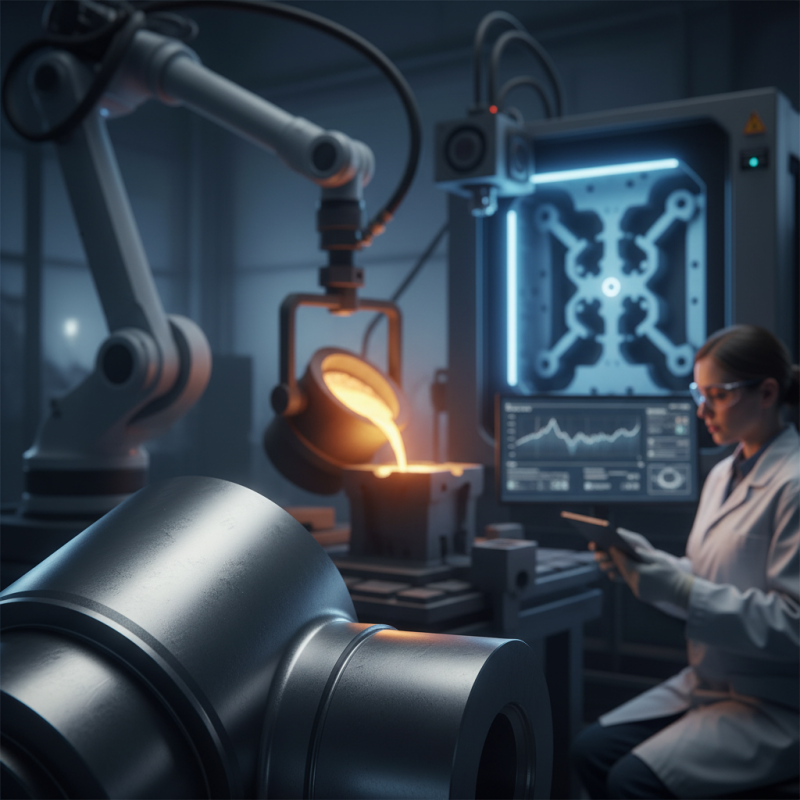
The quality of cast metal parts relies heavily on material composition. Variations in alloy elements can dramatically influence strength and durability. Even minor deviations in chemical makeup may alter properties. For instance, too much carbon can lead to brittleness, making parts prone to cracking.
Temperature during the casting process matters. If the metal cools too quickly, defects like shrinkage cavities may form. High-quality cast parts require precise temperature control. The choice of molds also affects quality. Mismatched mold materials can introduce impurities, impacting the integrity of the final product.
Recycling metals introduces complexity. Contaminants can sneak into recycled metals, altering their composition unexpectedly. While recycling is eco-friendly, it complicates achieving consistent quality. Manufacturers face the challenge of balancing sustainability and reliability. Each batch of material needs careful analysis to ensure it meets standards.
Temperature control plays a crucial role in the casting process for metal parts. Proper temperature management ensures the molten metal solidifies correctly, leading to optimal strength and durability. If temperatures fluctuate too much, defects such as porosity and cracking can occur. These imperfections directly affect the performance and lifespan of the final product.
Maintaining a consistent temperature requires monitoring throughout the casting cycle. Factors such as ambient temperature and cooling rates must be considered. Inadequate control can result in variations in metal properties. For instance, uneven cooling may create stress points. These issues often demand costly rework or scrapping of parts, impacting overall productivity.
Furthermore, advancements in technology offer solutions, yet challenges remain. Automated temperature controls are becoming more common, but human oversight is still essential. Operators need training to interpret temperature data effectively. Sometimes, errors in judgment can cause severe quality issues. This highlights the importance of balanced technical innovation and skilled labor in the casting process. Temperature control is not just a technical requirement; it's a pivotal aspect of metal part quality that invites continuous improvement.
| Parameter | Optimal Range | Impact on Quality |
|---|---|---|
| Pouring Temperature | 1200°C - 1400°C | Prevents defects and improves fluidity |
| Mold Temperature | 200°C - 300°C | Enhances solidification rate and surface finish |
| Cooling Rate | Controlled and consistent | Reduces internal stresses and distortion |
| Holding Time | Depends on alloy and thickness | Ensures uniform temperature through casting |
| Ambient Conditions | Stable and controlled | Affects heat transfer and may create defects |
Mold design plays a critical role in the quality of cast metal parts. A well-designed mold can significantly enhance accuracy and reduce defects. In 2026, research indicates that optimizing mold geometry can improve dimensional tolerance by up to 25%. This reduction in variation leads to better-fitting components and increased product life.
Materials used in mold construction also affect the final product. The choice of steel versus aluminum can influence heat transfer rates. For instance, steel molds can withstand higher temperatures, but aluminum molds offer faster cooling times. Each material has pros and cons, and the decision should be based on specific production needs.
Additionally, the preparation of molds is crucial. Surface finish impacts the surface quality of castings. A rough mold surface often results in casting imperfections. In fact, industry reports suggest that 15% of defects can be traced back to inadequate finishing techniques. Emphasizing proper mold preparation can lead to improvements in overall casting quality, but it remains an area where many companies struggle. Continuous evaluation and iteration in mold design can help mitigate these issues.
This chart illustrates the impact of various factors on the quality of cast metal parts in 2026. The primary elements include mold design, material selection, casting temperature, and cooling rate.
In 2026, the quality of cast metal parts increasingly hinges on alloy selection. The right alloy can significantly boost durability and performance. For instance, aluminum alloys are known for their lightweight and resistance to corrosion. However, they may lack strength under heavy loads. Similarly, steel alloys offer excellent tensile strength, but they can be prone to rusting over time without proper treatment.
When selecting alloys, it’s essential to consider the specific application. Some components require high thermal stability, while others demand excellent impact resistance. The choices made can result in trade-offs. A stronger alloy might reduce the workability of the part. Manufacturers must evaluate these factors thoroughly. Conducting stress simulations and fatigue tests can help identify potential weaknesses in the design.
Despite advancements, challenges remain. Not every alloy performs as expected in real-world environments. Variability in production processes can affect outcomes. It's crucial to document these observations during testing. This reflection can lead to better alloy formulations and enhanced performance metrics in future projects. Better understanding the impacts of alloy choices will refine the overall quality of cast metal parts.
Advancements in casting technologies are revolutionizing the production of cast metal parts. New methods, such as 3D printing for molds, offer incredible precision. This boosts the overall quality of the parts produced. Enhanced monitoring systems also track temperature and pressure more accurately during the casting process. This leads to fewer defects and higher durability in the end products.
Tips for achieving optimal quality: Focus on mold design. A well-designed mold can minimize imperfections. Regularly calibrate equipment to ensure consistent performance. This reduces variances in the quality of parts. Also, invest in skilled technicians. Their expertise plays a crucial role in the casting process.
The integration of automation is another game changer. Automated systems can handle repetitive tasks, freeing up human workers for more complex roles. However, reliance on automation might also introduce challenges. Human intervention remains vital to troubleshoot unexpected issues. Therefore, a balance between automation and skilled labor is essential for producing high-quality cast metal components.
: Material composition impacts strength and durability. Minor deviations can lead to significant changes in properties.
Rapid cooling can create defects like shrinkage cavities, affecting quality.
Mismatched mold materials can introduce impurities. This can compromise the final product's integrity.
Contaminants in recycled metals can alter composition. This makes achieving consistent quality more complex.
Well-designed molds enhance accuracy and minimize defects, improving product life.
Steel molds withstand high temperatures but cool slowly. Aluminum molds cool quickly but have lower heat resistance.
A rough mold surface causes imperfections. Up to 15% of defects link back to inadequate finishing techniques.
3D printing offers precision, boosting overall quality. This method is becoming increasingly popular in casting.
Regular calibration ensures consistent performance. This reduces variability in the quality of the parts produced.
While automation streamlines tasks, human oversight is crucial. Balancing both is key to high-quality production.
The article "What Affects the Quality of Cast Metal Parts in 2026?" explores several critical factors that influence the quality of cast metal components. Key elements include material composition, where the selection of appropriate alloys can significantly impact durability and performance. Temperature control during the casting process also plays a pivotal role, as it helps ensure uniform solidification and minimizes defects.
Additionally, the design of molds is crucial for achieving precision in cast parts, while advancements in casting technologies continue to enhance overall quality. By understanding what affects the quality of cast metal parts, manufacturers can implement best practices to improve their production processes and meet the evolving demands of the industry in the coming years.

Singer Cast