How to Reduce Defects in Casting Production Effectively?

Time:2026-05-01 Author:Mason
0%

In the casting industry, understanding how to reduce defects in casting production is crucial for maintaining quality and efficiency. Renowned expert Dr. Emily Foster emphasizes, "Every flaw in casting is a reminder to refine our processes." This statement highlights the need for continuous improvement and vigilance in production methods.

Casting defects can arise from multiple sources such as material inconsistencies, improper mold design, and inadequate cooling processes. Each defect not only affects the final product but also incurs significant costs. Identifying these sources is a critical step toward minimizing quality issues.

Employing advanced techniques and fostering a culture of accountability can significantly reduce these defects. However, this journey is not without its challenges. Companies must grapple with the unexpected nature of flaws and the imperative of ongoing learning. Close attention to detail and a proactive approach can lead to substantial improvements. Ultimately, embracing both successes and failures will enhance the understanding of how to reduce defects in casting production effectively.
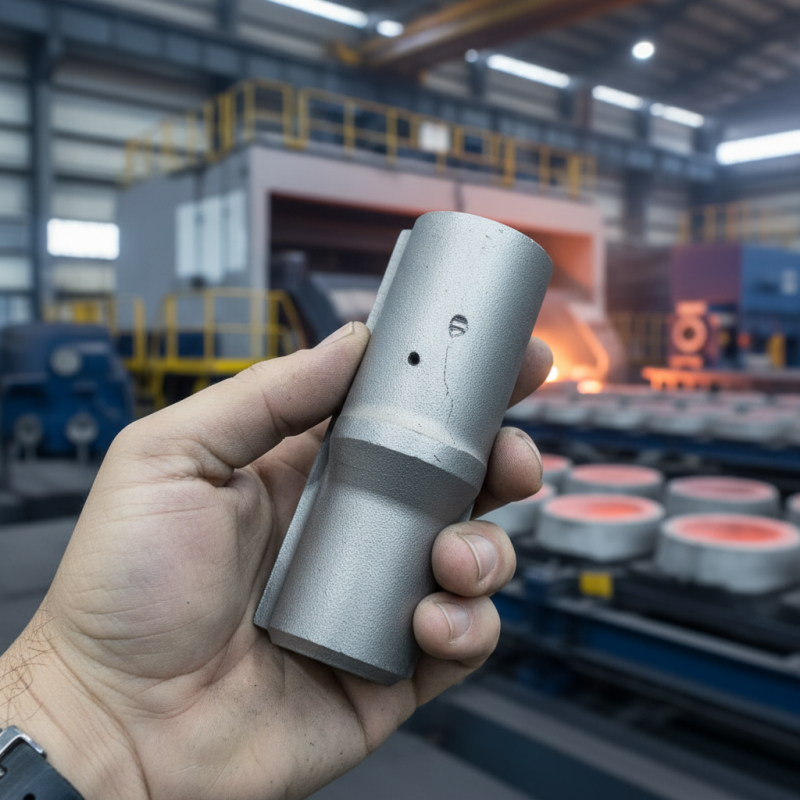
How to Reduce Defects in Casting Production Effectively?

Understanding Common Defects in Casting: Types and Causes

Casting defects can significantly impact production efficiency and final product quality. Understanding the common types of defects and their causes is crucial for effective reduction strategies. According to a report from the American Foundry Society, over 60% of foundries encounter porosity, shrinkage, and misruns. Porosity often occurs due to inadequate melting processes, leading to gas entrapment. Misruns happen when molten metal fails to fill the mold. These issues not only affect aesthetics but can also lead to structural weaknesses.

Implementing best practices can help mitigate these issues. For example, maintaining optimal pouring temperatures is vital. This prevents misruns and promotes uniform flow. Regular inspection of the mold and patterns can also help identify defects early. Achieving proper venting can significantly reduce gas-related defects like porosity. Skills in monitoring alloy compositions and adjusting parameters accordingly can be beneficial.

Investing in training for workers enhances their understanding of the casting process. Knowledgeable staff can spot defects more effectively. Utilizing advanced simulation software can predict potential issues during production. Remember, reflection on past mistakes is essential. Analyze defect data to improve future casting practices. This allows for continuous enhancement, ensuring more reliable production outcomes.

How to Reduce Defects in Casting Production Effectively? - Understanding Common Defects in Casting: Types and Causes

Defect Type Description Common Causes Prevention Methods
Porosity Presence of small holes in the casting Gas entrapment, insufficient pouring temperature Increase pouring temperature, degas alloy
Cold Shut Failure of metal to fuse at a joint Low pouring temperature, insufficient flow Enhance pouring temperature, redesign gates
Shrinkage Cracks Cracks due to uneven cooling Rapid cooling, high pour weight Control cooling rate, optimize section thickness
Inclusions Foreign particles embedded in the casting Poor raw material quality, contamination Use clean materials, enhance metal filtration
Warpage Deformation of the casting after cooling Uneven cooling, casting design Improve cooling designs, reduce residual stresses

Implementing Quality Control Measures in Casting Production Processes

Implementing effective quality control measures in casting production processes is crucial for minimizing defects. According to the American Foundry Society, nearly 30% of casting production issues stem from inadequate quality control practices. Quality control helps identify defects early, reducing wastage and ensuring customer satisfaction.


Precision in measurement is essential. A consistent use of calipers and gauges can improve dimensional accuracy by up to 15%. The introduction of automated inspection systems has proven effective. Reports indicate that companies using these systems see a 25% decrease in defects. However, there are challenges. Not every facility has the resources to implement high-tech solutions. Some still rely on manual inspections, which can lead to variability.


Training staff is another critical aspect. Workers need to be familiar with quality standards and expectations. Studies suggest that regular training can enhance skill sets by as much as 20%. However, gaps still exist in knowledge and practical application. It is essential to continuously evaluate and adapt training programs to reflect these needs. Overall, implementing and refining quality control measures can significantly impact defect rates in casting production.

Utilizing Advanced Technologies for Defect Reduction in Casting

In the quest to reduce defects in casting production, advanced technologies play a crucial role. Technologies such as computer-aided design (CAD) and simulation software allow for precise modeling of the casting process. These tools help identify potential flaws before the actual production. By visualizing material flow and predicting cooling patterns, manufacturers can make informed adjustments to their designs.

Moreover, the use of sensors in the casting process enhances real-time monitoring. These sensors detect variations in temperature and pressure, alerting operators to potential issues. This proactive approach can significantly reduce scrap rates. However, reliance on technology poses risks. If the data is misinterpreted, it can lead to misguided decisions.

Professional training is essential to maximize the effectiveness of these technologies. Workers must understand how to analyze the data accurately. Otherwise, the benefits of advanced technologies may remain untapped. Continuous improvement is not a one-time effort. It requires constant evaluation of processes and outcomes. Balancing technology with skilled craftsmanship is vital for achieving superior quality in casting production.

Defect Reduction in Casting Production

The chart above illustrates the reduction in defect rates in casting production over the last three years. Advanced technologies implemented have contributed significantly to minimizing defects from 15% in 2021 to 5% in 2023.

Analyzing the Impact of Material Selection on Casting Quality

Material selection plays a crucial role in casting quality. The right material can significantly reduce defects. With so many options available, it’s essential to understand how each material behaves under various conditions. Aluminum, for example, offers excellent fluidity but may require careful handling to avoid oxidation.

Tips: Always evaluate mechanical properties before choosing a material. Testing samples can reveal weaknesses that may not be obvious on paper. Additionally, consider the environment where the casting will be used. Corrosive environments demand materials with enhanced durability.

Not all materials will perform equally. While some might be cost-effective, they could lead to unexpected defects. Analyzing past defects in production can provide insight into which materials should be prioritized. Collaborate with experienced technicians who understand the nuances of each material. Their expertise can guide better decisions.

Tips: Create a checklist of criteria for material selection. This checklist should include strength, thermal properties, and potential for defects. Regularly updating this list based on field data can refine your material choices over time. Remember, using just any material may save money initially, but it can lead to costly defects later.

Training and Skills Development for Cast Production Workforce

Training the casting production workforce is essential in reducing defects. Skilled workers can identify and correct issues before they lead to defects. Investing in training programs can lead to significant improvements in quality. Engaging workers through hands-on training is vital. This approach helps them understand the intricacies of the casting process.

Moreover, developing a culture of continuous learning is crucial. Encourage workers to share their experiences and challenges. This creates a learning environment where everyone can improve together. Regular workshops and skill assessments help in identifying gaps. Offering incentives for skill enhancement can motivate workers to participate actively.

However, it's important to recognize that not all training programs will yield perfect results. Mistakes may still happen despite rigorous training. Reflection on these failures can lead to better strategies and practices. The goal should not be absolute perfection but consistent improvement. Acknowledging weaknesses can pave the way for stronger skills development initiatives.

FAQS

: Why is quality control important in casting production?

: Quality control minimizes defects and ensures customer satisfaction. Around 30% of production issues arise from poor practices.

How can measurement tools improve casting quality?

Consistent use of calipers and gauges can enhance accuracy by up to 15%. Accurate measurements are vital for quality.

What are the benefits of automated inspection systems?

Automated systems can reduce defects by 25%. However, not every facility can afford these high-tech solutions.

Why is staff training crucial in quality control?

Training familiarizes workers with quality standards. Regular training can enhance skills by up to 20%, though gaps may still exist.

How does material selection affect casting quality?

The right material significantly reduces defects. Understanding how materials behave is key to successful casting.

What should be considered when selecting materials for casting?

Evaluate mechanical properties and environmental conditions. Testing samples can uncover weaknesses not seen on paper.

Are all materials reliable in casting production?

No, some cost-effective materials can lead to defects. Learning from past issues can guide better material choices.

How can a checklist aid in material selection?

A checklist can help evaluate strength and thermal properties. Regular updates based on data refine choices over time.

What risks come with using cheaper materials?

Cheaper materials may save money initially but can lead to significant defects and costs later.

Why is continuous evaluation of training programs needed?

It ensures that training reflects practical needs. Adapting programs can address knowledge gaps in quality control.

Conclusion

In the quest to understand how to reduce defects in casting production, it is essential to identify common types of defects and their underlying causes. By implementing rigorous quality control measures throughout the production process, manufacturers can significantly minimize the incidence of errors. Additionally, the adoption of advanced technologies plays a crucial role in enhancing defect detection and prevention, thereby improving overall casting quality.

Material selection also greatly influences casting outcomes, as the right materials can mitigate potential defects. Finally, investing in training and skills development for the workforce is imperative, as a knowledgeable and skilled team is better equipped to produce high-quality castings. By focusing on these key areas, manufacturers can effectively reduce defects in casting production and enhance operational efficiency.

Mason

Mason

Mason is a seasoned marketing professional with a deep expertise in the company's offerings and a passion for driving brand awareness. With a strong background in digital marketing strategies, he has an innate ability to connect with diverse audiences and effectively communicate product benefits.......