How to Reduce Waste in Metal Production Efficiently?

Time:2026-06-10 Author:Henry
0%

Metal production is associated with significant waste generation. Many industries are now seeking effective strategies to address this issue. Understanding how to reduce waste in metal production is critical for sustainability. By minimizing waste, companies can enhance efficiency and reduce operational costs.

The process of metal production often leads to excess materials and energy consumption. It’s crucial for manufacturers to identify areas for improvement. Implementing recycling strategies can lower waste levels. Utilizing advanced technologies may also play a vital role. However, finding the right balance between innovation and cost-effectiveness remains a challenge.

Despite the ongoing advancements, many firms still struggle with waste management. It requires continuous assessment and adaptation. Emphasizing employee training will also help promote a culture of sustainability. This multifaceted approach can lead businesses to effective waste reduction. A commitment to refining processes is essential for long-term success.
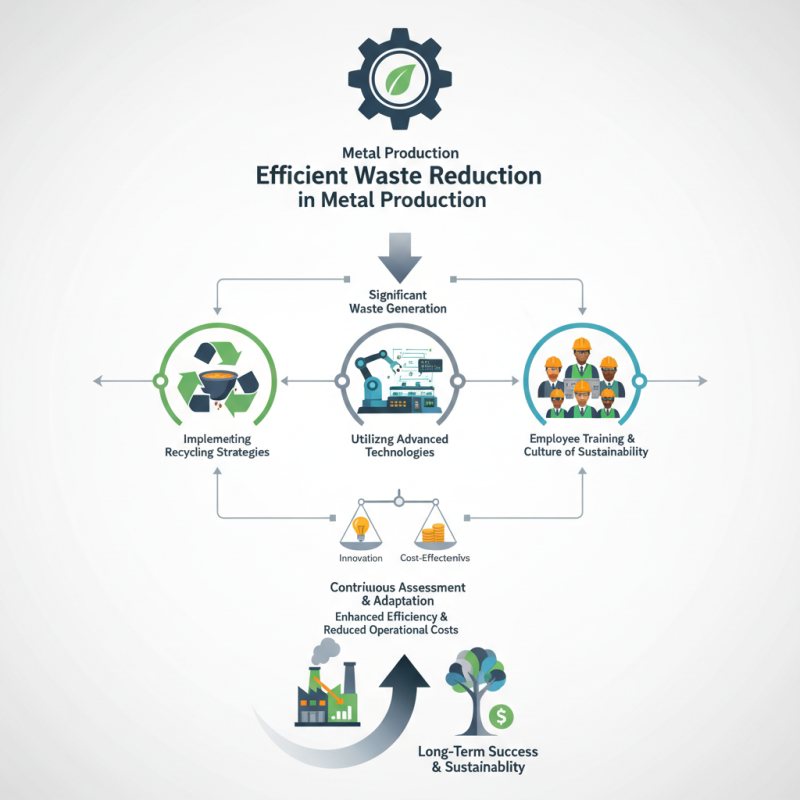
How to Reduce Waste in Metal Production Efficiently?

Understanding Metal Production and Its Waste Generation

Metal production is a complex process that generates significant waste. In 2020, the global metal industry produced approximately 1.5 billion tons of waste. This figure is staggering, given that metal recycling can prevent a large portion of waste from entering landfills. However, many production facilities still lack efficient waste management strategies.

Understanding the waste generation in metal production is vital. Studies indicate that around 62% of all waste comes from inefficient processes. This includes excess raw materials, outdated machinery, and energy loss during production. Each inefficiency has a significant environmental impact. For example, recycling aluminum saves up to 95% of the energy required for primary production. Yet, many companies still stick to traditional methods.

While advancements have been made, the industry still struggles. The transition to more sustainable practices often faces resistance. The need for initial investments and the lack of awareness among workers can hinder progress. Tools like waste audits are often overlooked despite their effectiveness in identifying problem areas. Without addressing these issues, the metal industry will continue to generate excessive waste, undermining efforts toward sustainability.

Identifying Key Waste Sources in Metal Manufacturing Processes

In metal manufacturing, efficient waste reduction requires pinpointing areas of excess. Research from the International Journal of Advanced Manufacturing Technology indicates that around 15-30% of metal is lost during production. This loss often stems from machining processes, which can lead to the generation of metal shavings and off-cuts. Understanding these waste sources can drive significant improvements.

One pressing issue is the inefficiency in material use during cutting and shaping. Industries report that up to 25% of raw material is wasted simply due to poor layout designs. Poor planning of the cutting sequence can exacerbate this problem. Many companies overlook the potential for optimized nesting strategies, which can drastically reduce scrap rates.

Additionally, energy inefficiencies also contribute to waste. A report by the U.S. Department of Energy highlights that metal producers can lose up to 20% of energy in heat treatment processes. This not only wastes resources but also increases operational costs. Identifying these specific pain points in production lines can drive better resource management and promote a circular economy within the metal sector.

Innovative Technologies for Waste Reduction in Metal Production

Innovative technologies are transforming waste reduction in metal production. A significant amount of waste, estimated at 30% in some processes, poses environmental challenges. Advanced methods can efficiently minimize this waste. For instance, the adoption of closed-loop systems allows for recycling materials within the production cycle. Such systems can help to recover up to 90% of metal content, showcasing their potential.

Automation and AI play crucial roles. They enable precise monitoring of materials and processes. According to a recent report by the International Metalworking Federation, AI can improve material yield by 15% on average. Predictive analytics also help in assessing potential waste before it occurs. These technologies empower manufacturers to rethink their traditional practices.

Tips for waste reduction include training staff on efficient practices. Engaging employees promotes a culture of sustainability. Regular audits can also identify areas for improvement. Though advancements are significant, there's still a long way to go. Many facilities struggle to implement these technologies fully. Continuous evaluation and adaptation are key to realizing their benefits.

Implementing Circular Economy Principles in Metal Industries

Implementing circular economy principles in the metal industry can significantly reduce waste. By focusing on reusing materials, companies can extend the life cycle of metal products. For instance, when processing scrap metal, valuable materials like aluminum and copper can be recaptured and reintegrated into new products. This practice minimizes the need for virgin resources. Factories can also develop closed-loop systems, ensuring that waste does not leave the production site.

Additionally, collaboration among industries can lead to creative solutions. For example, metal fabrication companies can partner with other sectors to share waste streams. One industry’s byproduct might become another's raw material. This synergy not only cuts waste but also fosters innovation within the marketplace. However, challenges exist. Implementing such changes may require significant upfront investment and a shift in corporate culture, which can be hard to navigate.

Businesses must also be prepared for trial and error. Adjusting to a circular model may not yield immediate results. They need patience and persistence to refine their practices for efficiency. Regular assessments are crucial for identifying areas for improvement. While the transition may be complex, the long-term environmental and economic benefits are undeniable.

Best Practices for Sustainable Resource Management in Metal Production

Efficient waste reduction in metal production is crucial for sustainable practices. One effective approach is to implement recycling programs. Utilizing scrap metal as a raw material can significantly lower waste. For instance, recycling aluminum can save up to 95% of energy used in primary production.

Tips: Evaluate your material usage regularly. Identifying patterns can help in minimizing excess. Train employees to prioritize recycling during metal production.

Another vital practice is improving energy efficiency. Using advanced technology can reduce energy consumption and carbon emissions. By optimizing processes, companies can lessen their environmental impact. Adopting energy-efficient equipment is a step worth considering.

Tips: Monitor energy use frequently. Small changes in machinery can lead to significant savings. Encourage innovation within teams to explore new methods.

Lastly, establishing a circular economy approach holds promise. This encourages companies to rethink their waste as resources. Collaboration between industries can lead to innovative solutions. A close inspection of your supply chain may reveal new opportunities for waste reduction.

Tips: Network with other businesses. Sharing resources can minimize waste effectively. Always question the status quo for ongoing improvement.

How to Reduce Waste in Metal Production Efficiently? - Best Practices for Sustainable Resource Management in Metal Production

Practice Description Expected Waste Reduction (%) Implementation Cost (USD) Payback Period (Years)
Recycling of Scrap Metal Reusing scrap metal from production processes to minimize waste 30% 5,000 2
Process Optimization Improving production techniques to enhance efficiency 20% 7,000 3
Use of Advanced Technologies Incorporating cutting-edge technology for production. 25% 15,000 4
Employee Training Educating staff on waste reduction techniques 10% 2,500 1
Material Substitution Using alternative materials with lower waste generation 15% 10,000 3

FAQS

: What is the main issue with metal production waste?

: Metal production generates a significant amount of waste, about 1.5 billion tons annually.

How can recycling help reduce waste in metal production?

Recycling can prevent waste and save energy, especially with materials like aluminum.

What percentage of waste results from inefficient processes?

Approximately 62% of waste stems from inefficient production processes and equipment.

Why do some companies resist sustainable practices?

Initial investment costs and worker awareness often hinder the transition to sustainable methods.

What is a useful tool for identifying waste issues?

Waste audits can effectively pinpoint problem areas in production processes.

How can energy efficiency be improved in metal production?

Adopting advanced technology and monitoring energy use can significantly reduce consumption.

What is a circular economy approach in metal production?

It encourages viewing waste as a resource, fostering collaborations for innovative solutions.

Why is regular evaluation of material usage important?

Identifying patterns can help minimize excess material and reduce waste.

How can employee training contribute to sustainability?

Training employees to prioritize recycling can lead to better waste management practices.

What role does innovation play in waste reduction?

Encouraging innovative thinking within teams can discover new methods to minimize waste.

Conclusion

In the quest to understand how to reduce waste in metal production, it is essential to examine the various stages of metal manufacturing and the types of waste generated. Key sources of waste often include material inefficiencies and by-products created during processes such as smelting and refining. By identifying these sources, industries can target their waste reduction strategies more effectively.

Innovative technologies play a crucial role in minimizing waste through improved processes and automation. Additionally, implementing circular economy principles allows metal producers to reuse materials and optimize resource pathways. Best practices for sustainable resource management, including recycling and energy recovery, further enhance efforts to create a more efficient metal production landscape. Ultimately, by focusing on these strategies, industries can significantly contribute to environmental sustainability while maintaining economic viability.

Henry

Henry

Henry is a dedicated marketing professional with a profound expertise in the company's offerings. With years of experience in the industry, he possesses an impressive understanding of the market dynamics and consumer behaviors that drive success. Henry is committed to sharing his insights through......