How to Scale Production for Global Supply Chains in 2026?

Time:2026-06-22 Author:Ethan
0%

In the ever-evolving landscape of global supply chains, understanding how to scale production for global supply chains is crucial. The McKinsey Global Institute reports that global supply chains contribute over $5 trillion to the global economy. However, disruptions like the pandemic have highlighted vulnerabilities. These challenges urge businesses to adapt and innovate.

Companies must focus on technologies that enhance efficiency. For instance, the World Economic Forum states that adopting Industry 4.0 technologies could boost manufacturing productivity by 30% by 2025. Yet, the path to scaling production is not straightforward. Companies may face hurdles such as resource allocation and workforce training. A lack of skilled labor is one pressing issue, with a projected shortage of 2.1 million manufacturing jobs in the U.S. alone by 2030.

To succeed, businesses need to rethink their strategies. There is no one-size-fits-all solution. Tailoring approaches to specific markets is essential. The goal is to create resilient and agile production systems. This will require continuous evaluation and adaptation. Scaling production is not merely about increasing output; it involves fostering collaboration and sustainable practices.
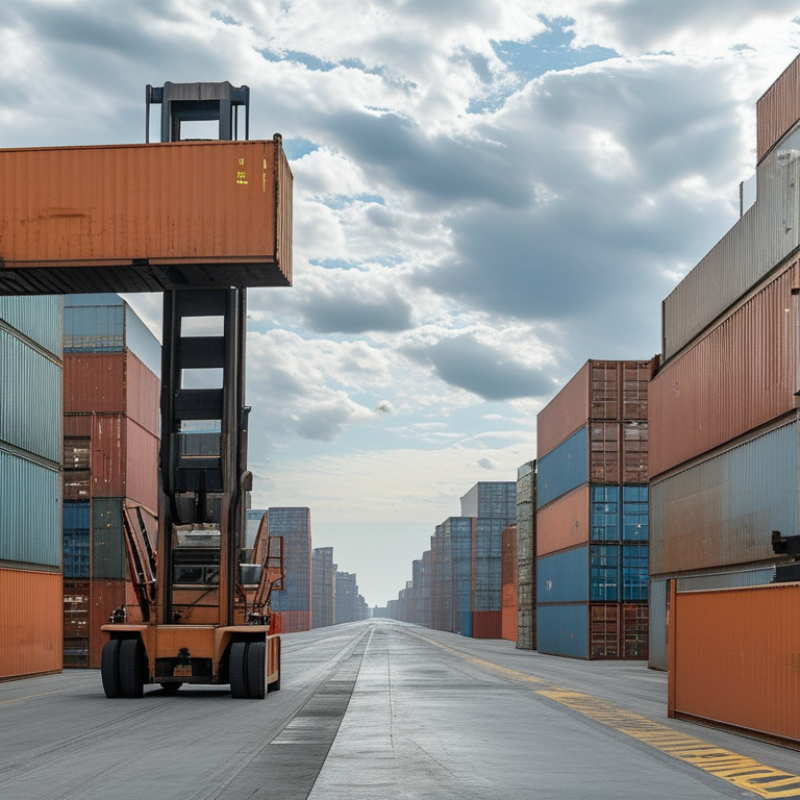
How to Scale Production for Global Supply Chains in 2026?

Strategies for Optimizing Production Processes in Global Supply Chains

Scaling production in global supply chains requires a strategic approach. Companies must assess their current processes critically. Identifying bottlenecks is essential. These are the points where delays occur. Often, manufacturers overlook them. This can significantly impact overall efficiency. Considering smaller production runs can also help. They reduce the risks tied to large volume products.


Optimizing production processes includes technology integration. Real-time data analytics is invaluable. It provides insights into production metrics. Automation can also play a role. However, it’s not always a one-size-fits-all solution. Each facility has unique needs. Transitioning to automated systems requires careful planning. Training staff is crucial for success. Without proper education, mistakes can arise.


Collaboration is another vital aspect. Strong communication between suppliers and manufacturers enhances flexibility. Yet, it is not always easy. Different time zones and cultures can pose challenges. Regular meetings can bridge gaps. Gathering feedback helps refine strategies. This ongoing dialogue fosters trust and efficiency. Continuous improvement should be the goal. It is a dynamic process that requires reflection and adaptation. Each decision should be data-driven but flexible.

Leveraging Technology to Enhance Production Scalability in 2026

The rapid evolution of technology plays a crucial role in enhancing production scalability for global supply chains. Automation tools, such as robotics and artificial intelligence, streamline various manufacturing processes. These innovations not only improve efficiency but also significantly reduce labor costs. However, adopting these technologies comes with challenges. Companies may face a steep learning curve or resistance from employees.

Integrating cloud computing further enhances scalability. Real-time data sharing helps optimize inventory management, reducing waste and improving responsiveness. However, not all firms have the necessary infrastructure for such technology. Many organizations must invest in IT solutions and employee training to fully leverage cloud capabilities.

While technology holds immense potential, its implementation is not without pitfalls. Companies need to ensure cybersecurity measures are aligned with new technologies. Vulnerabilities may arise if robust protection isn’t in place. Furthermore, reliance on tech can lead to oversights in human judgment, potentially impacting decision-making processes. Recognizing these aspects is vital for a balanced approach to scaling production effectively.

Production Scalability for Global Supply Chains in 2026

Best Practices for Supplier Collaboration in Global Supply Chains

Collaboration with suppliers is crucial for a successful global supply chain. Effective communication is key. Regular meetings foster understanding and help address issues early. This consistency builds trust. Trust strengthens relationships, leading to more efficient problem-solving.


Embracing technology can enhance supplier collaboration. Digital platforms allow real-time sharing of data. This ensures all parties are updated on production schedules and inventory levels. When everyone is informed, delays decrease. Transparency can reduce the risk of miscommunication and errors.


Yet, challenges remain. Different time zones can complicate timely responses. Cultural differences may lead to misunderstandings. It’s essential to be aware of these factors. Adapting communication styles can mitigate these risks. Building a collaborative culture takes time and effort, but the rewards are significant.

Managing Supply Chain Risks During Production Scaling Efforts

In 2026, scaling production for global supply chains poses unique challenges. As companies expand, they face increasing risks. Supply chain disruptions can come from various sources, including natural disasters and geopolitical tensions. Businesses must be prepared for these risks to maintain operational efficiency.

One method to manage risks is diversifying suppliers. This approach reduces dependency on a single source. It also ensures backup options during disruptions. However, relying on multiple suppliers can complicate logistics and quality control. It’s essential to establish clear communication and standards across all partners. Regular assessments can help mitigate this challenge and enhance reliability.

Investing in technology is another vital strategy. Advanced analytics can predict trends and potential disruptions. Utilizing real-time data enables firms to respond swiftly. Yet, over-reliance on technology has pitfalls. Systems can fail, leading to lapses in decision-making. Companies must have contingency plans in place. Balancing technology integration with human oversight is crucial for maintaining a resilient supply chain.

How to Scale Production for Global Supply Chains in 2026? - Managing Supply Chain Risks During Production Scaling Efforts

Dimension Description Risk Level Mitigation Strategies
Supplier Reliability Assessing the dependability of suppliers in meeting production needs. High Diversify suppliers, establish long-term agreements.
Market Demand Understanding fluctuations in customer demand across regions. Medium Implement flexible production planning.
Logistics Challenges Potential issues in transportation and warehousing. High Enhance logistics partnerships and invest in technology.
Regulatory Compliance Adhering to international trade regulations and standards. Medium Stay updated on regulations, conduct periodic audits.
Technology Integration Using technology to streamline production processes. Low Invest in automation and ERP systems.

Sustainability Considerations in Scaling Global Production Operations

As global supply chains evolve, sustainability becomes a cornerstone of scaling production operations. Industry reports indicate that 67% of consumers now prefer sustainable brands. This trend is driving companies to rethink their production practices. Higher sustainability standards are not merely wishful thinking; they are becoming essential for competitive advantage.

With increasing scrutiny on carbon footprints, businesses are pressured to adopt renewable energy sources. According to a McKinsey report, companies reducing greenhouse gas emissions can improve efficiency by up to 25%. This means investments in cleaner technologies not only address environmental concerns but can also enhance profitability. However, the shift requires a reevaluation of existing supply chain models.

Addressing sustainability can lead to complexities. Not every supplier is equipped to meet stringent ecological standards. Some firms might face trade-offs between cost efficiency and sustainability. Additionally, transparency in sourcing and production processes can be a daunting task. Companies must be committed to ongoing assessments to ensure that compliance and ethical practices are met throughout their operations. The road to scalability in sustainable production is challenging but vital for future success.

FAQS

: How can companies identify bottlenecks in production?

: Companies should critically assess their current processes to find points causing delays. Regular reflection can highlight overlooked areas.

What role does technology play in optimizing production?

Technology integration, like real-time data analytics, provides insights. Automation can enhance processes but requires tailored planning and training.

Why is supplier collaboration important?

Collaboration fosters trust and communication, leading to effective problem-solving. Regular meetings help address issues promptly and build strong relationships.

What challenges arise when collaborating with suppliers?

Time zone differences and cultural misunderstandings can hinder communication. Adapting styles and ongoing dialogue can help mitigate these risks.

How does sustainability affect global production operations?

Sustainability is crucial as many consumers prefer sustainable brands. Companies must rethink practices to improve compliance and competitive advantage.

What are the benefits of reducing carbon footprints?

Reducing emissions can enhance efficiency by up to 25%. Adopting cleaner technologies can also boost profitability while addressing environmental concerns.

What complexities arise from addressing sustainability?

Not all suppliers meet high ecological standards. Companies often face trade-offs between cost efficiency and sustainable practices.

How can companies ensure ethical practices in their operations?

Companies must commit to ongoing assessments of sourcing and production. Transparency throughout the supply chain is essential for compliance.

What is the goal of continuous improvement in production?

Continuous improvement should focus on reflection and adaptation. Data-driven decisions must remain flexible to enhance overall processes.

Is automation a guaranteed solution for production efficiency?

Automation offers benefits but is not one-size-fits-all. Understanding unique facility needs is essential before implementation.

Conclusion

In addressing the question of how to scale production for global supply chains, it is essential to implement effective strategies that optimize production processes. Key approaches include streamlining operations through advanced technologies, which enhance scalability and efficiency throughout the supply chain. Additionally, fostering strong collaboration with suppliers will ensure alignment and responsiveness to global market demands.

As companies face the challenges of expanding their production capabilities, managing associated risks becomes crucial. Proactive risk management strategies can mitigate disruptions during scaling efforts, maintaining the stability of supply chains. Furthermore, sustainability considerations must be integrated into production scaling initiatives, ensuring environmentally responsible practices that cater to the growing demand for sustainable operations in the global marketplace.

Ethan

Ethan

Ethan is a seasoned marketing professional with a deep expertise in our company's innovative product line. With a passion for sharing knowledge and insights, he takes the lead in regularly updating our corporate blog, where he explores industry trends, product features, and effective marketing......