Top 5 Industries That Use Die Casting the Most?

Time:2026-08-02 Author:Aria
0%

Die casting is a vital process widely used across various industries. It allows for the production of precise metal components with exceptional efficiency. But what industries use die casting the most? According to the latest market reports, automotive, aerospace, consumer electronics, and industrial machinery lead the charge. The automotive industry alone accounted for over 60% of die casting applications in recent years. This reliance stems from die casting's ability to create lightweight, durable parts.

Aerospace is another key sector benefiting from this process. Components such as housings and structural parts require the precision that die casting provides. The industry's growth is projected to reach $394 billion by 2027, further emphasizing its importance. Meanwhile, consumer electronics rely heavily on die cast parts for lightweight and compact designs. This trend illustrates how die casting fuels innovation.

However, it’s important to recognize the challenges. Quality control remains crucial, and defects can hinder production. Companies must reflect on their processes to enhance reliability. Therefore, understanding what industries use die casting the most helps businesses navigate these complexities. By leveraging die casting, industries can push the boundaries of design while continually improving efficiency and quality.
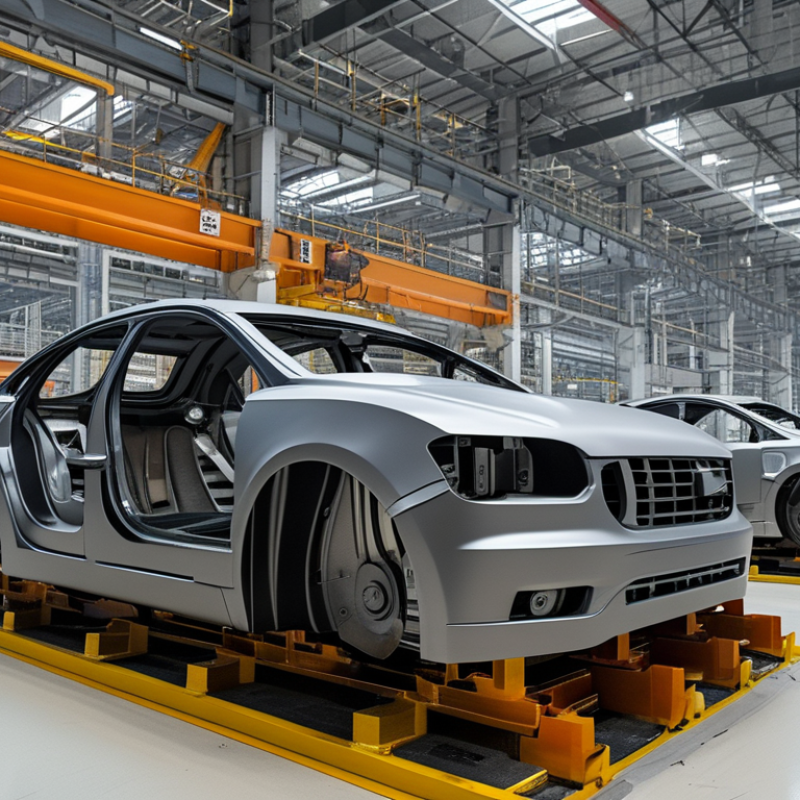
Top 5 Industries That Use Die Casting the Most?

Die Casting Overview and Its Importance in Manufacturing

Die casting is a crucial manufacturing process that offers precision and efficiency. This method involves forcing molten metal into a mold, creating parts with excellent accuracy. Industries rely heavily on die casting due to its ability to produce complex shapes and reduce material waste. It ensures durability and strength, important for many applications.

For optimal results, consider the choice of materials. Aluminum and zinc are popular due to their lightweight and corrosion-resistant properties. Each material has unique qualities that affect the final product. Understanding these can elevate your design process.

When designing for die casting, focus on the part geometry. Simple, uniform shapes reduce costs and complications. Thick sections may trap air, causing defects. Balancing aesthetics and functionality is vital. Keep designs straightforward yet effective. Many overlook these factors, leading to challenges down the line.

Key Characteristics of Die Casting Processes and Materials

Die casting is a precision metal forming process widely used in various industries. The automotive sector is one of the primary users. According to industry reports, around 64% of die cast products are manufactured for automotive applications. This ensures parts are lightweight and strong. In aerospace, die casting contributes to components that endure extreme conditions. Electronics also heavily utilize die casting for enclosures and heat sinks.

Key characteristics of the die casting process include high pressure and speed, which lead to excellent dimensional accuracy. Materials commonly used are aluminum, zinc, and magnesium alloys. Aluminum is favored for its strength-to-weight ratio. Zinc, on the other hand, offers superior corrosion resistance. These materials help manufacturers meet strict performance standards.

Tips: Ensure the choice of alloy matches your industry needs. Regularly review your die casting suppliers for quality and efficiency. Investing in modern die casting technology improves production rates significantly. Though effective, the die casting process has its drawbacks, such as high initial costs and limited design flexibility. Understanding these limitations is essential for making informed decisions.

Top Industries Utilizing Die Casting in Modern Production

Die casting has become an essential manufacturing process in various industries. It's efficient and produces precise parts. The automotive industry is one of the largest users, utilizing die casting for components like engine blocks and transmission housings. According to recent reports, this sector accounted for about 40% of die casting production in 2022. The demand continues to rise due to electric vehicle manufacturing, which requires lightweight materials for better efficiency.

Another significant industry is consumer electronics. Companies in this sector need high-quality enclosures and internal components. The global market for die-cast components in consumer electronics is projected to grow at a CAGR of 6% through 2028. This growth reflects a focus on lightweight and complex geometries in design.

Tips: When considering die casting, remember that quality control is vital. Regular inspections and testing can prevent costly defects. Furthermore, engaging with experienced firms can enhance production efficiency. Lastly, aim for continuous improvement by staying updated with the latest technologies and materials. Embrace the learning process—there’s always room to optimize methods.

Detailed Exploration of the Automotive Industry's Die Casting Needs

The automotive industry heavily relies on die casting for its production processes. Die casting enables the creation of complex shapes and detail with precision. This method is crucial for manufacturing components like engine blocks, transmission cases, and structural parts. These components require durability, making die casting an ideal option.

Manufacturers utilize aluminum and zinc alloys for lightweight yet strong parts. Such materials help enhance fuel efficiency while maintaining vehicle performance. However, the die casting process can lead to defects, such as porosity or dimensional inaccuracies. Proper training and quality control are key to mitigating these issues and ensuring consistency.

Despite its benefits, the automotive sector faces challenges in die casting. The need for rapid production cycles conflicts with the complexity of some designs. Additionally, rising material costs can strain budgets. Balancing efficiency and quality is crucial and often requires innovation alongside traditional methods. Continuous investment in technology and skilled labor is essential for addressing these evolving needs.

Die Casting Applications in Aerospace and Defense Sectors

Die casting is a vital method in the aerospace and defense sectors, known for its efficiency and precision. This technique allows for the creation of complex shapes with tight tolerances. Components made through die casting can withstand extreme conditions while maintaining integrity.

In aerospace, die-cast parts are often used in engine components and structural elements. These parts must be lightweight but also durable, which die casting can provide. The defense industry, on the other hand, relies on die casting for critical components in weapons systems and vehicles. These applications require high reliability, where failure is not an option.

However, despite its advantages, challenges exist. The initial setup for die casting can be costly and time-consuming. Achieving the desired quality requires advanced techniques. Manufacturers must continuously reflect on material selection and design optimization. Each component’s performance can significantly impact safety and effectiveness in critical applications.

FAQS

: What is die casting?

: Die casting is a manufacturing process that involves forcing molten metal into a mold. It creates parts accurately and efficiently.

Why is die casting important in manufacturing?

It allows for complex shapes, reduces waste, and ensures durability. This is vital for many industries’ applications.

What materials are commonly used in die casting?

Aluminum and zinc are popular choices. They are lightweight and offer corrosion resistance.

How does part geometry affect die casting?

Simple, uniform shapes lower costs and complexity. Complex designs can lead to defects and inefficiencies.

What challenges does the automotive industry face with die casting?

Rapid production cycles can conflict with design complexities. Rising material costs can also strain budgets.

How can defects in die casting be minimized?

Proper training and quality control are essential. They help ensure consistency and reduce issues like porosity.

What role does design play in the die casting process?

Balanced designs that prioritize functionality and aesthetics are crucial. Overlooking details can lead to production challenges.

Is there ongoing investment needed in die casting?

Yes, continuous investment in technology and skilled labor is vital. This is necessary to meet the industry's evolving needs.

Can die casting affect fuel efficiency in automotive parts?

Yes, lightweight materials like aluminum enhance fuel efficiency while maintaining vehicle performance.

What should designers keep in mind?

Keep designs straightforward. Complexity can trap air and create defects during the die casting process.

Conclusion

Die casting is a vital manufacturing process known for its efficiency and ability to produce complex shapes with high precision. The process utilizes a variety of materials, predominantly metals, to create durable components. Among the many industries that leverage die casting, the automotive sector stands out, requiring high-quality parts for vehicles. Aerospace and defense also heavily depend on die casting to manufacture lightweight yet strong components essential for safety and performance.

In summary, the top industries that use die casting the most include automotive, aerospace, and defense, along with consumer electronics and industrial machinery. These sectors appreciate die casting for its ability to streamline production processes and enhance product durability, highlighting its significance in modern manufacturing. Understanding what industries use die casting the most helps identify key areas where this process continues to thrive and evolve.

Aria

Aria

Aria is a dedicated marketing professional with a deep passion for innovative strategies and a keen understanding of our company's product offerings. With a wealth of experience in the industry, Aria excels at crafting engaging content that highlights the unique features and benefits of our......