Top 10 Industries That Use Die Casting the Most?

Time:2026-04-29 Author:Henry
0%

Die casting is a crucial manufacturing process across various industries. It involves injecting molten metal into a mold to create precise components. Understanding "what industries use die casting the most" is essential for manufacturers and engineers alike. According to John Smith, a leading expert in manufacturing processes, "Die casting is the backbone of many sectors, providing reliability and efficiency."

The automotive industry is a significant player, relying on die casting for engine components and gearbox housings. Aerospace also heavily utilizes this technique for producing lightweight, durable parts. However, not all applications achieve optimal results. Sometimes, manufacturers encounter challenges, like potential defects in the casting process. These issues may necessitate adjustments in technique or material selection.

Electronics and consumer goods represent additional markets where die casting thrives. Yet, there are ongoing debates regarding sustainability in die casting. As industries push for greener alternatives, the future of die casting remains in flux. Adjusting to changing demands while maintaining quality can be tricky. Overall, exploring "what industries use die casting the most" reveals a landscape of opportunity amidst these challenges.
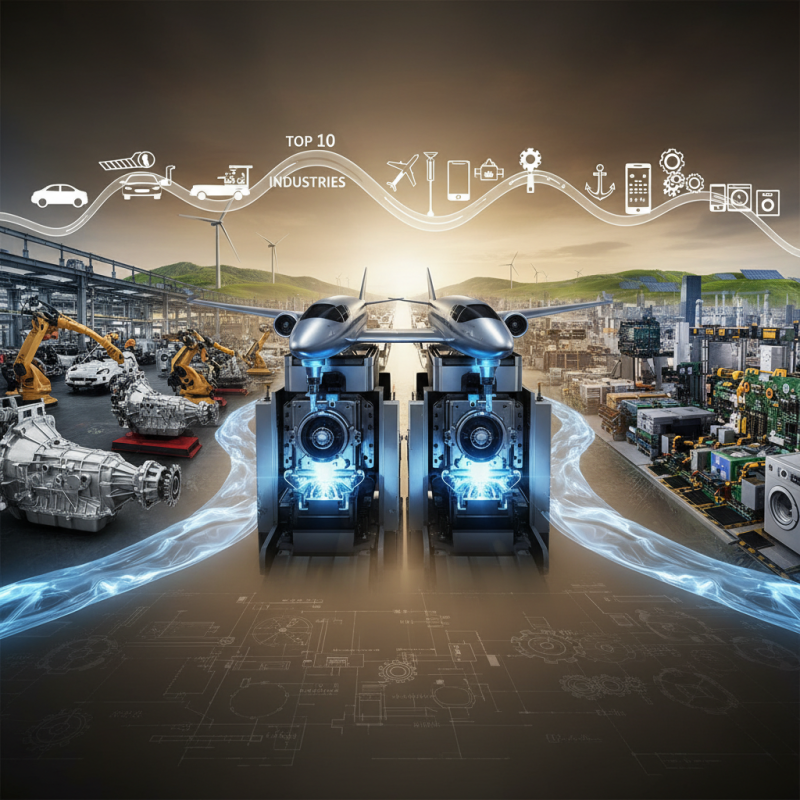
Top 10 Industries That Use Die Casting the Most?

Advantages of Die Casting in Various Industries

Die casting is a popular manufacturing method across several industries. It excels in producing complex shapes with high precision. This technique offers unique advantages, making it a preferred choice. One significant benefit is its ability to create lightweight components. Industries like automotive and aerospace rely heavily on this feature.

These components are not only lighter; they are also durable. Die-cast parts can withstand harsh conditions, making them essential in equipment and machinery. The process allows for intricate detailing, which enhances product functionality. This precision can reduce waste and lower costs. Additionally, the fast production cycle of die casting meets the increasing demands of industries.

However, challenges remain. Designing for die casting requires careful consideration. Errors in design can lead to defects, resulting in costly rework. Not every material is suitable for die casting, limiting options for some projects. Balancing cost, quality, and material choice remains a topic for improvement. Overall, die casting's benefits continue to outweigh its drawbacks in many applications.

Top 10 Industries That Use Die Casting the Most

Industry Application Advantages Common Materials
Automotive Engine components, transmission cases High precision, lightweight design Aluminum, magnesium
Aerospace Structural components, brackets Strength-to-weight ratio, durability Aluminum, titanium
Electronics Casings, heat sinks Complex shapes, excellent thermal conductivity Zinc, aluminum
Construction Window frames, door handles Corrosion resistance, aesthetic appeal Aluminum, brass
Healthcare Equipment housings, surgical tools Precision, biocompatibility Aluminum, stainless steel
Consumer Products Kitchen appliances, tool handles Versatility, cost-effectiveness Zinc, aluminum
Marine Boat components, fittings Lightweight, corrosion resistance Aluminum, magnesium
Telecommunications Enclosures, structural components High strength, thermal conductivity Aluminum, zinc
Heavy Machinery Parts for machinery, frames Durability, structural integrity Aluminum, iron

Automotive Industry: Key Applications of Die Casting

The automotive industry heavily relies on die casting for producing high-quality components. A recent industry report highlighted that around 30% of all die-cast products are utilized in automotive manufacturing. This process provides precision and durability, essential for critical parts like engine blocks, gear housings, and transmission cases.

Die casting allows for complex shapes, which are vital in modern vehicle design. For instance, lightweight aluminum die casting has become a popular choice for reducing vehicle weight, enhancing fuel efficiency. According to the Global Die Casting Market Report, the automotive sector is projected to account for over 40% of die-casting market growth by 2026. As electric vehicles rise, die casting aids in fabricating intricate components efficiently.

However, challenges exist. Recycling die-cast materials can be complicated, impacting sustainability goals. Moreover, the continuous requirement for innovation in design increases costs. The industry must tread carefully, balancing efficiency with environmental responsibility. As technology advances, the automotive sector must rethink die casting's role, ensuring it meets both performance and ecological standards.

Electronics Sector: Utilizing Die Casting for Components

The electronics sector has rapidly adopted die casting for producing precision components. Die casting allows for the creation of complex shapes with high dimensional accuracy. This is crucial for the electronics industry, where reliability and performance are essential. In fact, the global die casting market is projected to reach USD 12.24 billion by 2026, reflecting significant growth in sectors such as electronics.

The use of aluminum and zinc alloys in die casting enhances durability and minimizes weight. These materials are ideal for connectors, casings, and housings. A recent report indicated that over 30% of die-cast products are used in electronics. However, quality control remains a challenge. Manufacturers must ensure that the intricate features meet stringent specifications.

Innovation in design and manufacturing processes is ongoing. Advances in computer-aided design and simulation tools improve product outcomes. Still, some companies struggle with the initial setup costs and skill requirements. Overcoming these barriers is critical for gaining a competitive edge in the evolving electronics marketplace.

Consumer Goods: The Role of Die Casting in Manufacturing

Die casting plays a significant role in manufacturing consumer goods. This process allows for precision and efficiency. It is especially popular in industries like electronics, appliances, and toys. According to a 2023 report by the Die Casting Association, nearly 40% of die-cast components serve consumer goods.

The benefits of die casting are clear. It provides high durability and uniformity. Parts produced have excellent surface finishes, which are crucial for consumer appeal. However, the initial setup costs can be substantial. Many companies hesitate to invest, fearing they won't recover the expenses. This concern can limit innovation in product design.

Moreover, not all consumer goods can utilize die casting effectively. Some products may demand more complex geometries unsuitable for this method. A balance between cost, functionality, and design is vital. Despite these challenges, die casting remains a foundational technique in manufacturing, continuously adapting to meet market needs.

Top 10 Industries That Use Die Casting the Most

Aerospace Industry: Precision Parts through Die Casting Techniques

The aerospace industry significantly relies on die casting for producing precise and complex parts. This method allows for the creation of lightweight components, crucial for enhancing fuel efficiency. High-performance aircraft require durable materials that can withstand extreme conditions. Die casting meets this need by offering strong alloys that resist corrosion and fatigue.

Die casting presents challenges, too. The precision required can lead to higher production costs and longer lead times. Companies must invest in advanced tooling to ensure accuracy. This process also limits material options, which may not suit every project. Engineers must carefully assess these factors when selecting die casting for aerospace applications.

Additionally, sustainability is a growing concern. The aerospace sector seeks to minimize waste through improved die casting techniques. Processes are being refined to reduce excess material and energy use. Industry experts emphasize the ongoing need for innovation in die casting to meet environmental goals. This evolving landscape calls for constant adaptation and critical evaluation of design choices.

FAQS

: What is die casting and why is it important in the automotive industry?

: Die casting is a manufacturing process. It produces high-quality, durable components essential for vehicles.

How does die casting benefit vehicle design?

It allows for complex shapes. This is key for modern vehicle design and improves overall performance.

What materials are commonly used in die casting for electronics?

Aluminum and zinc alloys are popular. They enhance durability while keeping components lightweight.

What challenges face the electronics industry in die casting?

Quality control is a significant issue. Intricate features must meet strict specifications, complicating production.

How does the aerospace sector benefit from die casting?

Die casting produces lightweight components. These help improve fuel efficiency in high-performance aircraft.

What are some downsides of using die casting in aerospace?

High production costs can be a concern. Additionally, it may limit material options for certain projects.

Is sustainability a concern in die casting?

Yes, improving recycling processes is challenging. The industry needs to balance efficiency with environmental impact.

What innovations are occurring in die casting?

Advances in design and simulation tools enhance outcomes. However, setup costs and skill requirements can hinder progress.

How is the die casting market expected to grow?

The market is projected to grow significantly. The automotive and electronics sectors are major contributors to this trend.

Are there any risks in adopting die casting technologies?

Companies may face initial setup costs. Careful assessment of design choices is necessary to avoid pitfalls.

Conclusion

Die casting is a versatile manufacturing process utilized across various sectors due to its numerous advantages, such as precision, efficiency, and the ability to produce complex shapes. Among the top industries that use die casting the most are the automotive and aerospace sectors, where it is essential for manufacturing intricate components that require high durability and precision. The electronics sector also heavily relies on die casting for producing essential parts, providing both reliability and quality in their products.

Furthermore, the consumer goods industry benefits from die casting for mass production of a vast array of items, ensuring consistency and reducing lead times. Overall, the advantages of die casting make it a key technique in multiple industries, demonstrating its importance in modern manufacturing and production processes.

Henry

Henry

Henry is a dedicated marketing professional with a profound expertise in the company's offerings. With years of experience in the industry, he possesses an impressive understanding of the market dynamics and consumer behaviors that drive success. Henry is committed to sharing his insights through......