Surface treatments play a vital role in enhancing the performance of metal parts. According to Dr. Emily Carter, a leading expert in surface engineering, "The right surface treatment can significantly improve durability and resistance to wear." This statement highlights the importance of understanding what surface treatments are used for metal parts.
Various methods exist, each tailored to specific applications. Techniques like anodizing and electroplating not only improve aesthetics but also enhance corrosion resistance. For instance, anodizing generates a thick oxide layer on aluminum, making it more durable. Interestingly, many manufacturers often overlook the critical impact of surface treatments.
The complexity of surface treatments can lead to confusion. Different approaches address distinct challenges. A surface treatment suitable for one environment may not work well in another. Therefore, careful consideration is essential. Exploring these treatments is crucial for anyone invested in metal components’ performance and longevity.
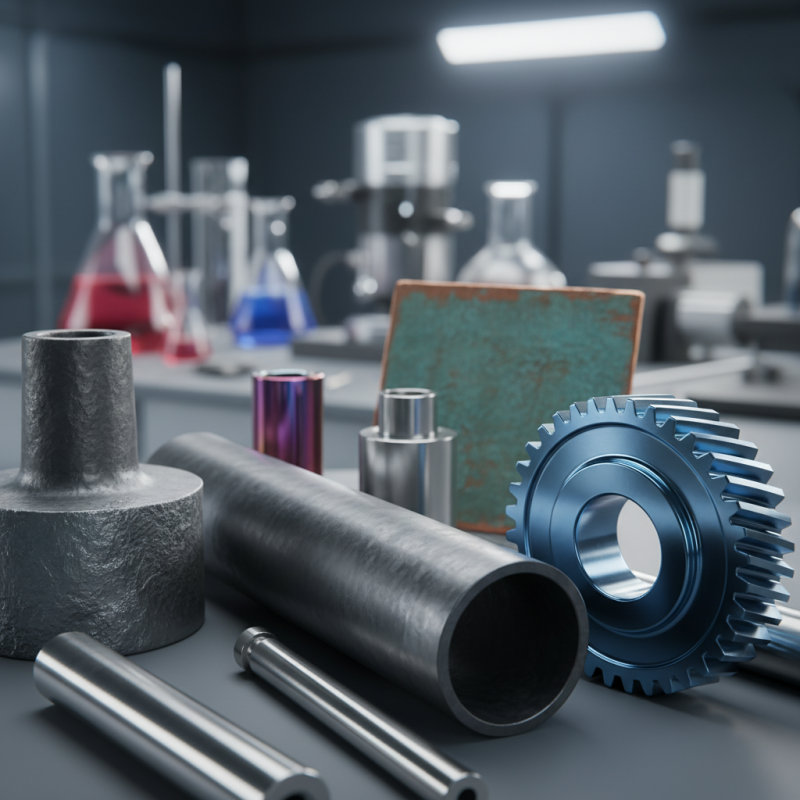
Surface treatments play a critical role in enhancing the durability of metal parts. These treatments improve resistance to corrosion, wear, and fatigue, ultimately extending the lifespan of components. According to a recent industry report, nearly 80% of metal failures stem from surface degradation. This statistic underscores the significance of effective surface treatments in various applications, from automotive to aerospace industries.
When considering surface treatments, it's important to explore methods like anodizing, galvanizing, and powder coating. Anodizing, for instance, can increase aluminum's corrosion resistance by up to 20 times. Such enhancements lead to lower maintenance costs and reduced downtime in manufacturing processes. However, not all treatments are appropriate for every metal or application. Understanding the specific environment and stresses a component will face is essential in selecting the right treatment.
Tip: When choosing a surface treatment, consider the expected lifespan and operating conditions of the metal part. Evaluate your options thoroughly. Some methods might offer immediate benefits but could be less effective in the long run. Investing in research and expert consultations can save costs over time.
| Treatment Method | Description | Benefits | Applications |
|---|---|---|---|
| Electroplating | Applying a metal coating through electrolysis. | Improves corrosion resistance and wear protection. | Automotive parts, jewelry, electronics. |
| Anodizing | A controlled oxidation process that thickens the natural oxide layer. | Increases corrosion resistance; offers color options. | Aerospace, architectural fixtures, consumer goods. |
| Powder Coating | Applying a dry powder that is baked to form a hard finish. | Durable, resistant to chipping and fading. | Metal furniture, appliances, automotive components. |
| Galvanization | Coating steel with a layer of zinc. | Excellent corrosion resistance; cost-effective. | Construction materials, automotive parts. |
| Chemical Conversion Coating | Creating a thin, non-metallic conversion layer on metal surfaces. | Improves paint adhesion and corrosion resistance. | Aerospace, military applications. |
| Laser Surface Treatment | Using lasers to alter surface properties. | Enhanced hardness and wear resistance. | High-performance components, tooling. |
| Vapor Deposition | Applying thin films through vaporization techniques. | Provides unique properties like high hardness. | Microelectronics, optics, and coatings. |
| Silanes Coating | Applying organosilane compounds to enhance surface characteristics. | Hydrophobic properties and corrosion resistance. | Metal surfaces exposed to moisture. |
| Nitriding | Diffusing nitrogen into the surface of steel. | Increases hardness and fatigue resistance. | Gears, shafts, and other high-stress components. |
| Chromate Conversion Coating | Creating a protective layer on aluminum components. | Corrosion resistance and improved paint adhesion. | Aerospace and automotive applications. |
: Surface treatments enhance metal durability, improving resistance to corrosion, wear, and fatigue.
Nearly 80% of metal failures stem from surface degradation.
Common treatments include anodizing, electroplating, and powder coating.
Anodizing can increase aluminum's corrosion resistance by up to 20 times.
Consider lifespan, operating conditions, and the specific environment of the metal part.
Compliance can be costly and requires significant investment in technology upgrades.
Yes, contamination can lead to failures in adhesion, impacting treatment effectiveness.
Powder coating provides a thick, durable finish, superior to traditional paint.
Compliance with quality management standards can improve efficiency by up to 20%.
Eco-friendly practices can reduce waste by 30%, but challenges in integration remain.
Surface treatments play a crucial role in enhancing the durability and performance of metal parts, which is essential in various industrial applications. This article provides an overview of what surface treatments are used for metal parts, highlighting their importance in improving resistance to corrosion, wear, and fatigue. Common types of treatments include electroplating, anodizing, powder coating, and thermal spraying, each offering unique benefits based on the specific needs of the metal components.
Additionally, the article delves into the statistical advantages that surface treatments offer within the metal industry, showcasing qualitative and quantitative improvements in part longevity and performance. It also discusses emerging trends in surface treatment technologies and the impact of regulatory standards on their application in manufacturing processes. Overall, understanding these treatments is vital for optimizing metal parts and ensuring compliance within the sector.

 Singer Cast