Engineered to excel in demanding environments. Delivering structurally robust, near-net-shape configurations tailored for Namibia's core industrial sectors.
Years Engineering Expertise
16949 & ISO9001 Certified
Max Press Tonnage Capacity
First-Time Quality Pass Rate
Namibia is rapidly positioning itself as a key industrial and logistics hub in the Southern African Development Community (SADC) region. Driven by expansive operations in uranium and diamond mining, copper extraction, solar power grids, and maritime logistics centered around Walvis Bay, Namibian industries require robust engineering solutions. Heavy components must withstand the aggressive environmental challenges of the Namib Desert—high solar radiation, abrasive silica dust, and corrosive, saline coastal mist.
Local industrial procurement leads demand components that combine high structural integrity with minimal weight. The transition toward high-strength, lightweight aluminum alloys is accelerating. Traditional ferrous castings are progressively being replaced by engineered aluminum die castings. These modern alloys offer superior thermal conductivity for solar power inverters, high specific strength for heavy-duty vehicle chassis, and optimal corrosion resistance for telecommunication towers positioned along the Atlantic coast.
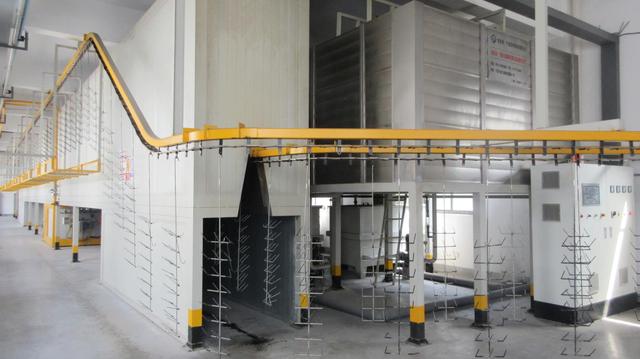
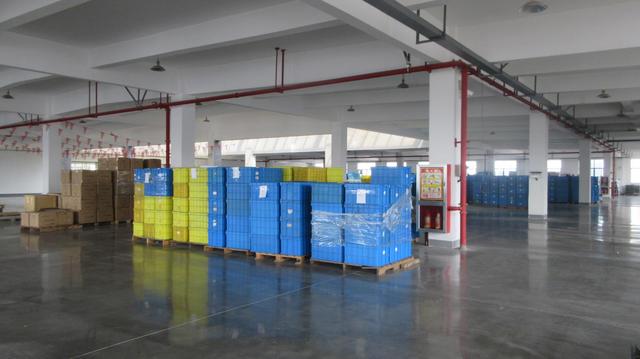
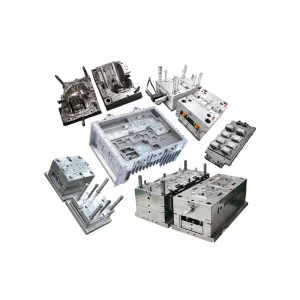
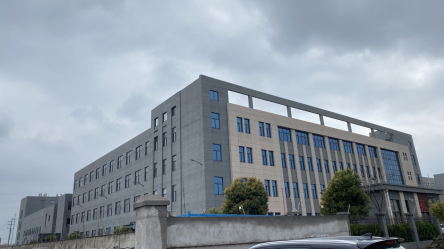
Based in Ningbo, China—the global epicenter of advanced metallurgical manufacturing—Ningbo Singer Cast Co., Ltd. stands as a premier manufacturer specializing in aluminum, zinc, and precision metal components. By integrating die design, metal flow simulation, high-pressure die casting (HPDC), gravity casting, and high-precision CNC machining, we offer a turnkey solution for global procurement offices looking to optimize their supply chain to Namibia.
Why do Namibian enterprises partner with Singer Cast? The answer lies in our ability to deliver Tier-1 automotive and industrial-grade quality at competitive prices. With high-tonnage cold chamber machines (ranging up to 2000T), advanced shot control, and automated extraction cells, we ensure that every casting exhibits dense grain structure, zero macro-porosity, and tight dimensional control (+/- 0.02mm after CNC processing). We utilize advanced toolmaking techniques to extend die life, minimizing unit costs over large volume production runs.
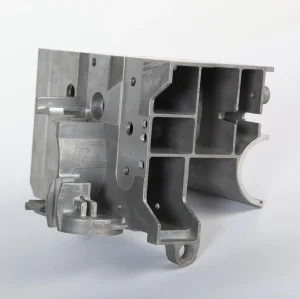
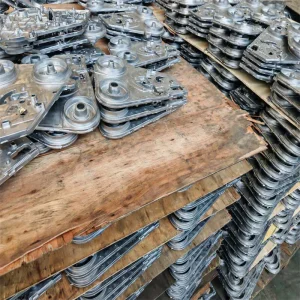
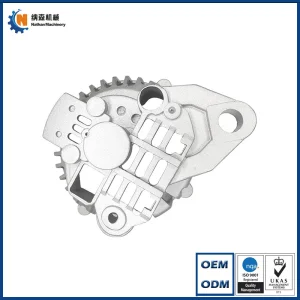
Explore specialized castings engineered for power grids, structural frameworks, and high-durability telecommunication modules.
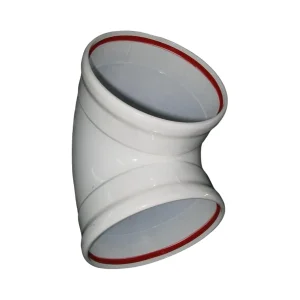
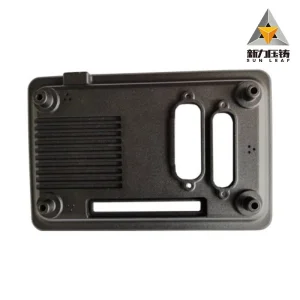
Choosing the correct alloy composition and surface finishing system is vital to ensuring a decades-long lifecycle in Southern African environments.
While ADC12 (Japanese standard) offers exceptional fluid flow during die cavity filling, making it ideal for thin-walled electronics housings, A380 (US standard) provides superior structural stability, fatigue strength, and impact resistance. We match alloy elements (e.g., maintaining iron at 1.3% max to reduce soldering on the mold steel) to perfectly balance castability with mechanical toughness.
Namibia's coastal developments struggle with atmospheric salinity. We implement targeted surface treatments, including Type II sulfuric anodization for basic oxide protection, and marine-grade epoxy powder coatings. These treatments pass 1000-hour salt spray tests (ASTM B117), protecting the underlying metal from intergranular corrosion.
With Namibia expanding its green hydrogen and utility-scale solar generation, heat dissipation in electronics enclosures is critical. Our low-porosity aluminum die-cast housings offer high thermal conductivity (exceeding 96 W/mK), keeping control modules cool under harsh ambient desert heat.
The global manufacturing ecosystem is deeply dependent on speed and raw material availability. In Ningbo, China, the entire die casting supply chain is integrated within a 50-kilometer radius. Raw aluminum ingot sourcing, specialized mold steel tooling manufacturers, automated casting facilities, surface treatment facilities, and global shipping ports are interconnected. This proximity allows Ningbo Singer Cast Co., Ltd. to accelerate lead times by up to 40% compared to local African or European alternatives.
Furthermore, our advanced manufacturing capabilities significantly reduce unit costs. High-pressure die casting is highly tool-dependent; designing the tool correctly requires years of practical experience. Our engineering team utilizes flow analysis to optimize gate configuration, minimizing air pockets and structural weak points. The result? Near-net-shape components that require minimal finish machining, lowering cycle times and scrap rates. We pass these cost savings directly to our clients in Namibia.
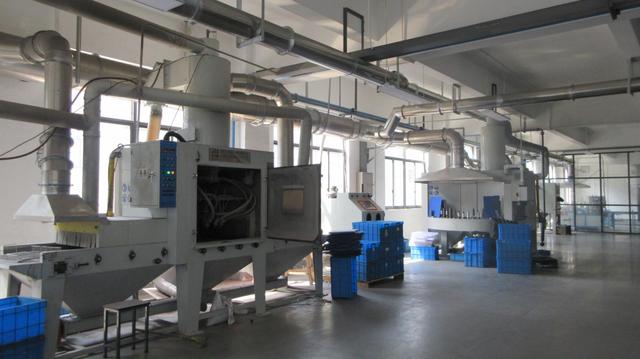
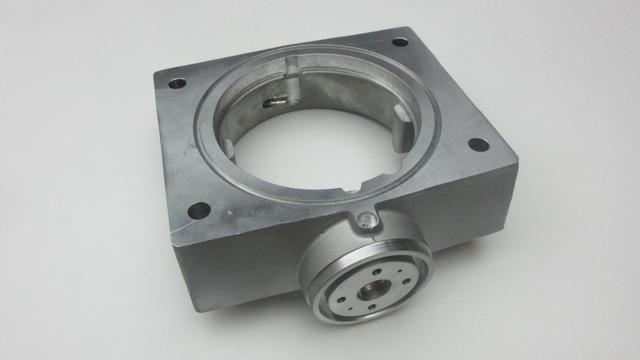
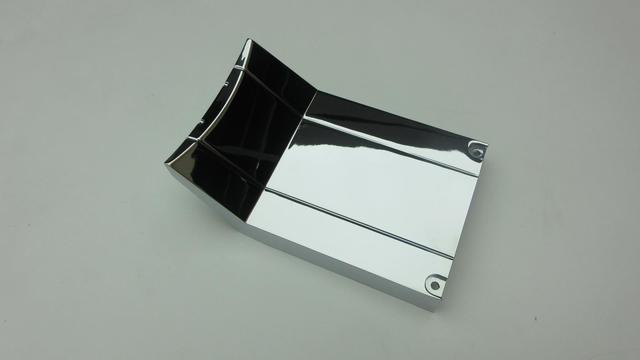
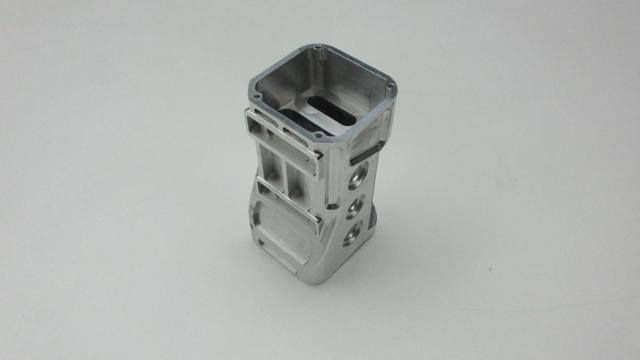
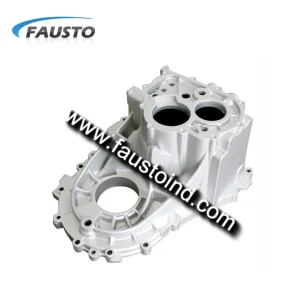
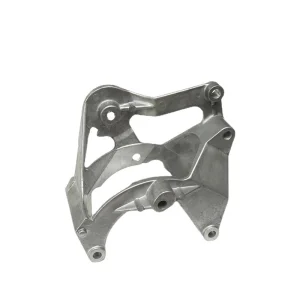
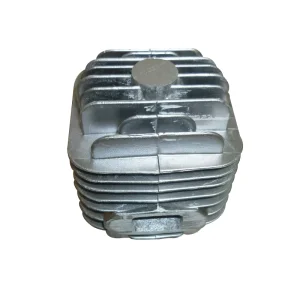
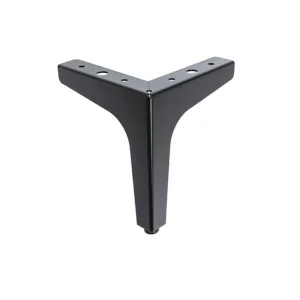
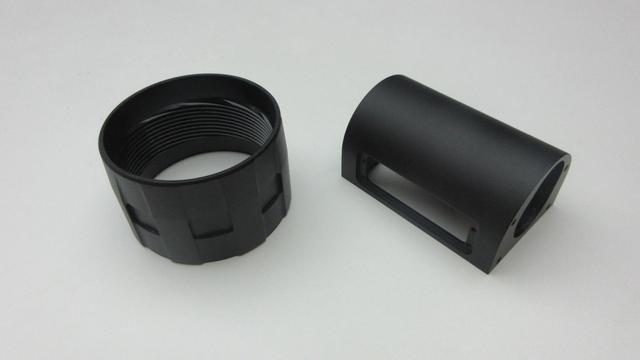
A comprehensive selection of structural brackets, automotive accessories, transmission castings, and gravity die-cast components.
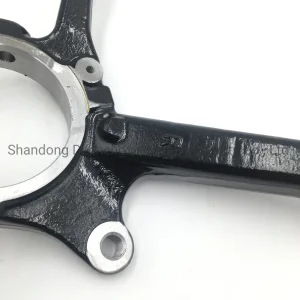
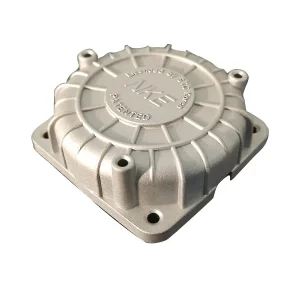
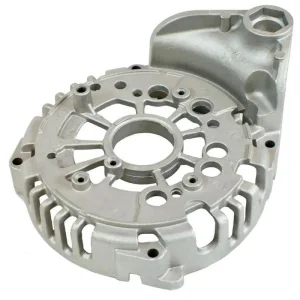
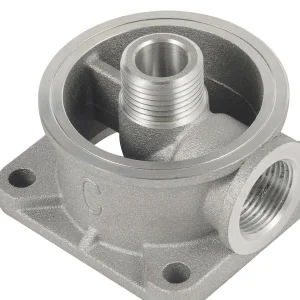
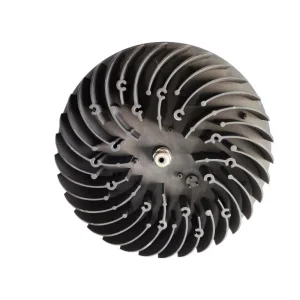
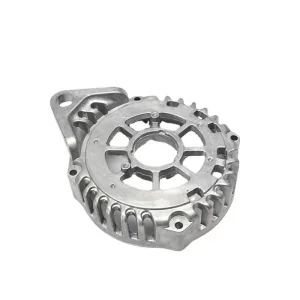
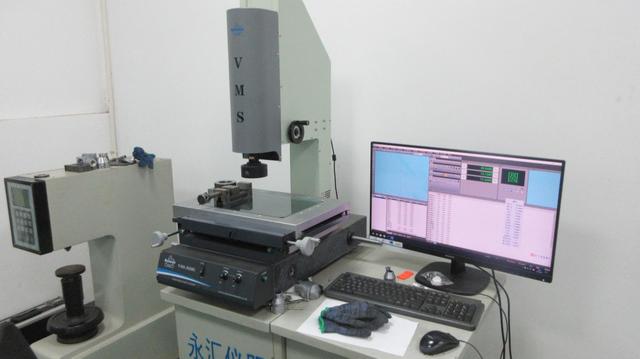
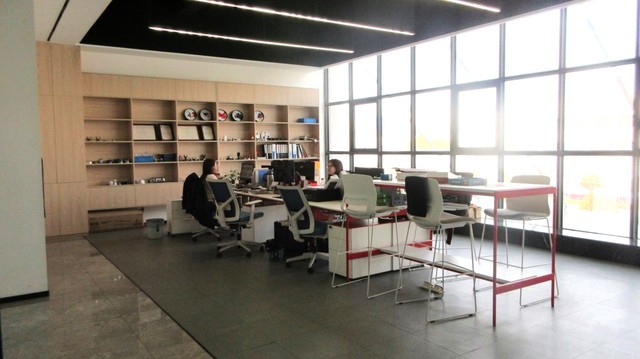
To serve Namibia’s heavy industries, parts must conform to strict standards. A minor porosity defect or incorrect heat treatment could lead to field failures in high-pressure hydraulic circuits or offshore installations. At Ningbo Singer Cast Co., Ltd., we use advanced inspection and testing instrumentation. Our metrology lab is equipped with coordinate measuring machines (CMM), multi-spectrum chemical analyzers, tensile testing machines, and precision hardness testers.
Our Quality Management System is certified to IATF 16949 (for automotive applications) and ISO 9001:2015. Every production run undergoes structural integrity tests. We document material trace records and dimensional check reports for all export shipments, ensuring absolute transparency and compliance with international standards.
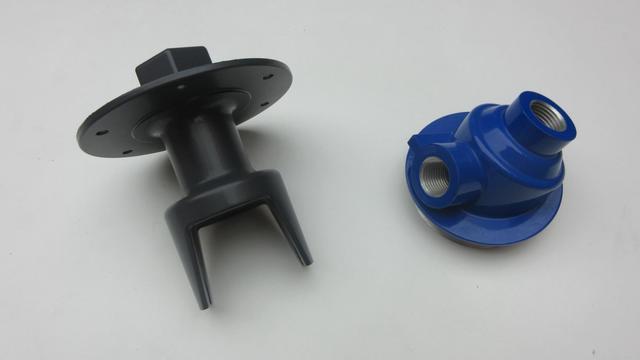
The global metal casting industry is undergoing a structural shift toward sustainable manufacturing. The demand for post-consumer recycled aluminum is growing rapidly, driven by global targets to reduce carbon footprint. In Namibia, projects like the Green Hydrogen initiative in Lüderitz highlight the regional focus on low-carbon industrialization. In response, Singer Cast is optimizing casting processes using primary green aluminum and high-purity secondary scrap, maintaining mechanical performance while reducing carbon footprint.
Technologically, structural integration—combining multiple components into a single complex die-cast part—is changing machine design. In telecommunications and electric vehicle architectures, this reduction in parts lowers weight and eliminates manual welding or mechanical assembly. Additionally, we use real-time sensors in our mold systems to monitor temperature distribution, helping to reduce energy waste and optimize cooling cycles.
Technical and logistical insights for importing custom industrial castings to Namibia.
Generally, design validation and 3D mold-flow simulations require 5–7 days. Mold tooling fabrication takes 30–45 days depending on the structural complexity and gate systems. Once tooling is complete, sample production and First Article Inspection (FAI) reports are issued within 3–5 days.
Most shipments go via sea freight from Ningbo Port (one of the largest ports globally) to the Port of Walvis Bay. Transit times generally range from 35 to 45 days. We also offer air freight for urgent industrial replacement parts, reaching Windhoek Hosea Kutako International Airport within 5–7 days.
We work with A380, ADC12, A356, AlSi9Cu3, and magnesium-aluminum alloys. For marine and coastal environments in Namibia, we recommend alloys with low copper content, such as A356, combined with anodizing or powder coating to prevent galvanic and pitting corrosion.
MOQ depends on part weight and dimension. Typically, for medium-sized parts (0.5kg–2kg), the MOQ is 1,000 units. For large components (housing units, structural brackets), we accept smaller runs of 500 units. We also support prototype validation cycles prior to full production tooling.
Contact our engineering sales team to request material certificates, discuss mold flow designs, or receive a quick manufacturing quote for Namibia.
Send Inquiry Now Singer Cast