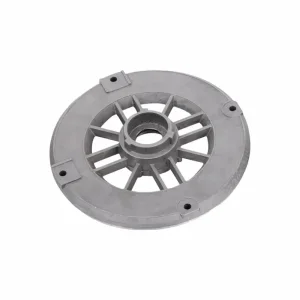
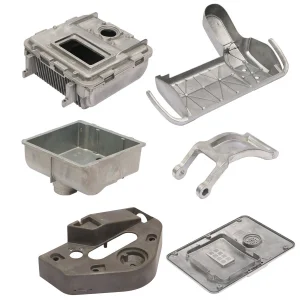
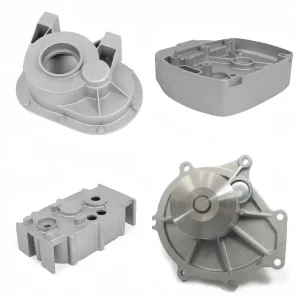
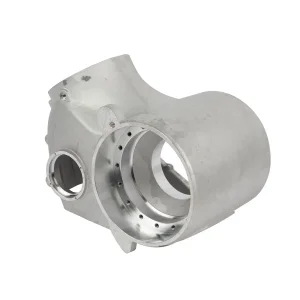
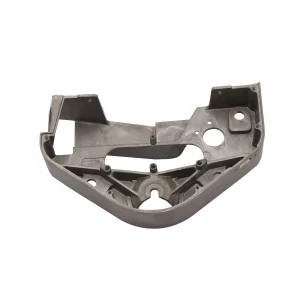
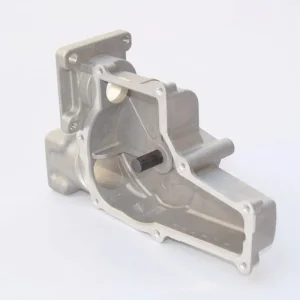
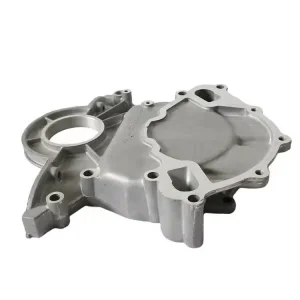
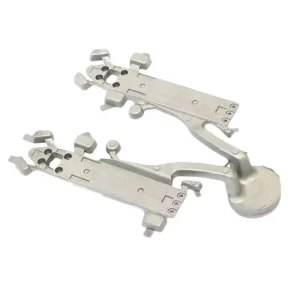
Engineered to survive severe tropical conditions, high moisture, and extreme physical abrasion, these advanced alloy castings guarantee operational continuity across Africa's toughest mining and power networks.
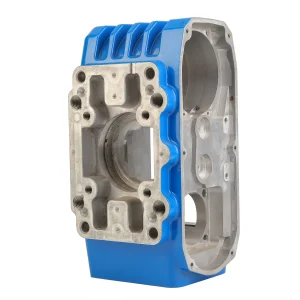
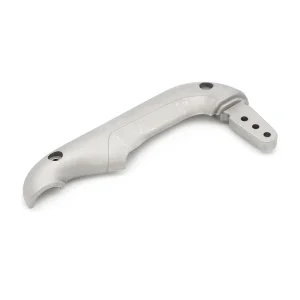
The Democratic Republic of the Congo (DRC) stands as one of the world's most critical mineral resource powerhouses, particularly dominating the global supply of cobalt and copper. The copper-cobalt belt of the Katanga province, centered around industrial hubs like Kolwezi, Lubumbashi, and Likasi, necessitates heavy machinery, deep-shaft pumping infrastructure, extraction tools, and intensive logistical networks. Crucial to this mineral-rich ecosystem is the availability of high-performance structural components capable of withstanding the punishing mechanical and environmental stresses of mining excavation, smelting, and long-distance transport.
In DRC mining environments, machinery components face severe slurry erosion, high humidity, and continuous shock load. Components fabricated via traditional gravity casting often fail prematurely due to micro-porosity. High Pressure Die Casting (HPDC) provides dense, fine-grained metallic structures, which are vital for valve assemblies, heavy transmission gearboxes, and hydraulic pump housings deployed deep underground.
As the DRC develops its national power grid—including the massive Inga Dam project and localized solar-diesel hybrid microgrids—there is a dramatic surge in demand for lightweight, non-corrosive overhead electrical connectors, transmission housings, and junction boxes. High-purity aluminum alloys processed through advanced cold-chamber die casting machines deliver the precise mechanical and electrical properties needed to secure local infrastructure.
To operate successfully, global procurement managers sourcing materials for projects in the DRC must locate HPDC manufacturing partners capable of balancing raw material certification with rapid cross-border supply chains. Standard metallurgy is insufficient; instead, customized formulations containing specific percentages of silicon, copper, and iron (such as A380 or ADC12 grade) are mandated to yield optimal corrosion resistance and mechanical yield strength.
Ningbo Singer Cast Co., Ltd. is a professional die casting manufacturer specializing in aluminum, zinc, and precision metal components for a wide range of industrial applications. With years of experience in the metal manufacturing industry, the company has built a strong reputation for delivering high-quality, cost-effective solutions to global customers.
Singer Cast provides a comprehensive range of services, including high-pressure die casting, mold design and development, CNC machining, surface finishing, and assembly. Its products are widely used in industries such as automotive, electronics, lighting, machinery, and consumer goods, meeting diverse requirements for durability, precision, and performance.
Equipped with advanced production facilities and supported by a skilled engineering team, Ningbo Singer Cast focuses on continuous innovation and process optimization. The company ensures strict quality control at every stage of production, from raw material selection to final inspection, complying with international standards and customer specifications.
Dedicated to customer satisfaction, Singer Cast offers flexible OEM/ODM services and efficient project management to support customized manufacturing needs. With a strong global supply capability, the company is committed to delivering reliable, high-precision die casting components that help clients enhance product competitiveness and achieve long-term success.
Structural Density (X-Ray Inspected)
Monthly Casting Capacity (Pcs)
Industrial Metallurgical Expertise
Certified Quality Management
Importing industrial engineering hardware into the Democratic Republic of the Congo demands navigating unique local compliance laws. All goods shipped to the DRC require a Pre-Shipment Inspection (PSI) certificate issued by approved agencies like Bureau Veritas or SGS, ensuring alignment with the standards set by the Office Congolais de Contrôle (OCC).
Ningbo Singer Cast Co., Ltd. coordinates seamlessly with international inspection bodies to prepare all documentation, including the Fiche d'Importation (F.I.), Bill of Lading (B/L), and packing lists. We ensure that our aluminum and zinc castings comply with regional industrial standards, preventing customs delays at Matadi Port or eastern border posts like Kasumbalesa.
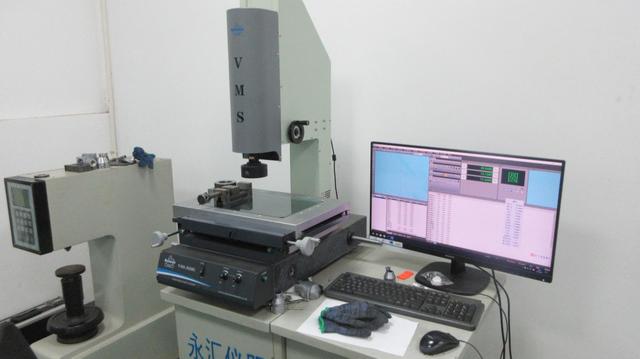
To meet the procurement criteria of global mining conglomerates operating in Katanga, we guarantee material traceability. From the melt to the finished product, raw material certificates (EN 10204 3.1) are standard. Our advanced QA process features spectrochemical analysis to verify alloy chemistry, pressure drop testing for liquid-tight casting valves, and 3D coordinate measuring machines (CMM) to verify physical tolerances.
Our molds are engineered from premium H13 hot-work tool steel, hard-tempered to withstand up to 100,000 thermal cycles, assuring high dimension stability across large production volumes.
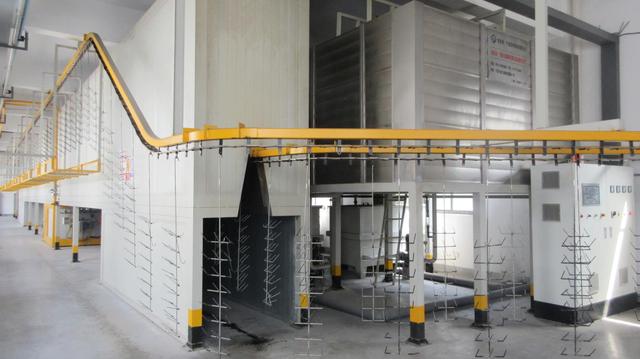
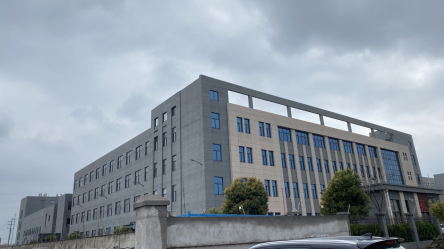
An inside look at Ningbo Singer Cast Co., Ltd.'s state-of-the-art facilities, featuring high-capacity cold chamber casting machines, precision CNC finishing lines, and strict quality control stations.


Acidic mine drainage is common in copper and cobalt operations. Zinc-aluminum alloys (Zamak series) with protective epoxy coatings provide cost-effective, corrosion-resistant housings and impellers for localized industrial pump covers.
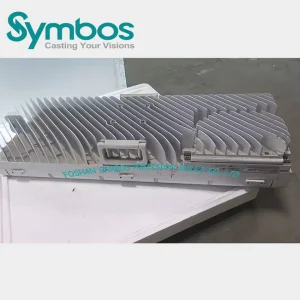
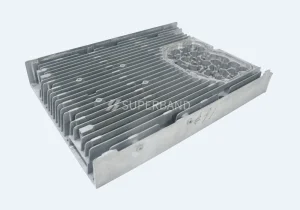
Cell towers across the DRC's rural corridors require sealed, heat-dissipating electrical enclosures. Our jet-cooled gravity and high-pressure casting process produces thin-walled, lightweight aluminum electrical housings that protect electronics from rain and heat.
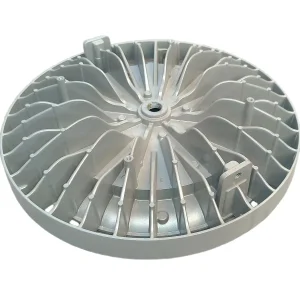
Urban renewal projects in Kinshasa and Lubumbashi demand durable municipal lighting. Spray-coated, high-pressure die-cast aluminum LED light housings ensure high heat dissipation and IP67 resistance against dust storms and tropical rains.
Globally, and increasingly within regional African markets, the transition toward sustainability and minimal carbon footprints is influencing raw material requirements. HPDC technology is evolving to integrate recycled aluminum alloys that require only 5% of the energy compared to refining primary aluminum, without sacrificing tensile properties. Furthermore, structural lightweighting is a major target. By optimizing structural geometry via FEA (Finite Element Analysis) simulation, we can drop the weight of automotive and heavy machinery components by up to 30%, translating directly to fuel savings and extended operating lifetimes.
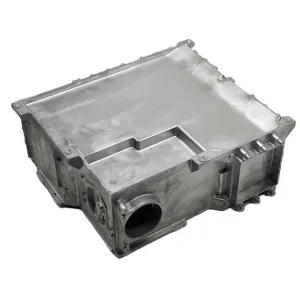
Browse our comprehensive selection of high-pressure zinc and aluminum die-cast solutions, ready for customization to your specifications.
 Singer Cast