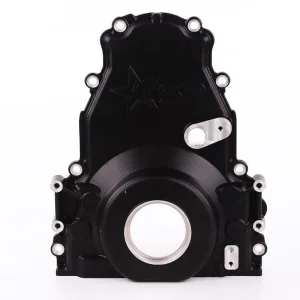
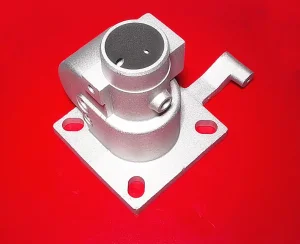
Aluminum Gravity Die Casting Allowing Heat Treatment to Enhance Mechanical Properties, High Durability Gravity Die Casting

Still deciding? Get samples of $ !
Order Sample

Product Description

Basic Information

Model NO.
Customized
Application
Machinery Parts
Machining
Machining Center
Material
Alloy
Surface Quality
Level 2
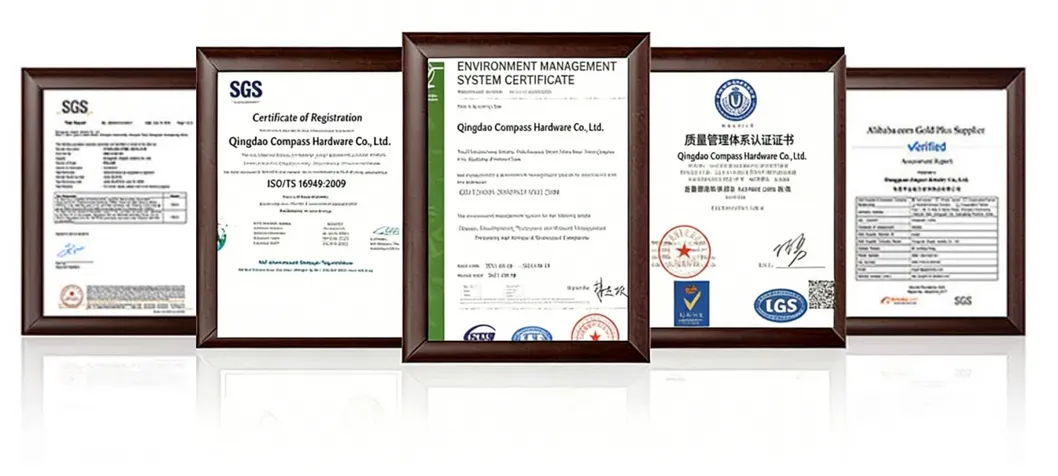
Certification
CE, ISO 9001:2000, ISO 9001:2008
Service
OEM/ODM
Lead Time
25-35 days Usually
Drawing Format
Pdf., Dwg. Step. STP. Igs
Production Capacity
300 Tons Per Month
Forming Process
High-Pressure Injection
HS Code
7616991090

Product Description

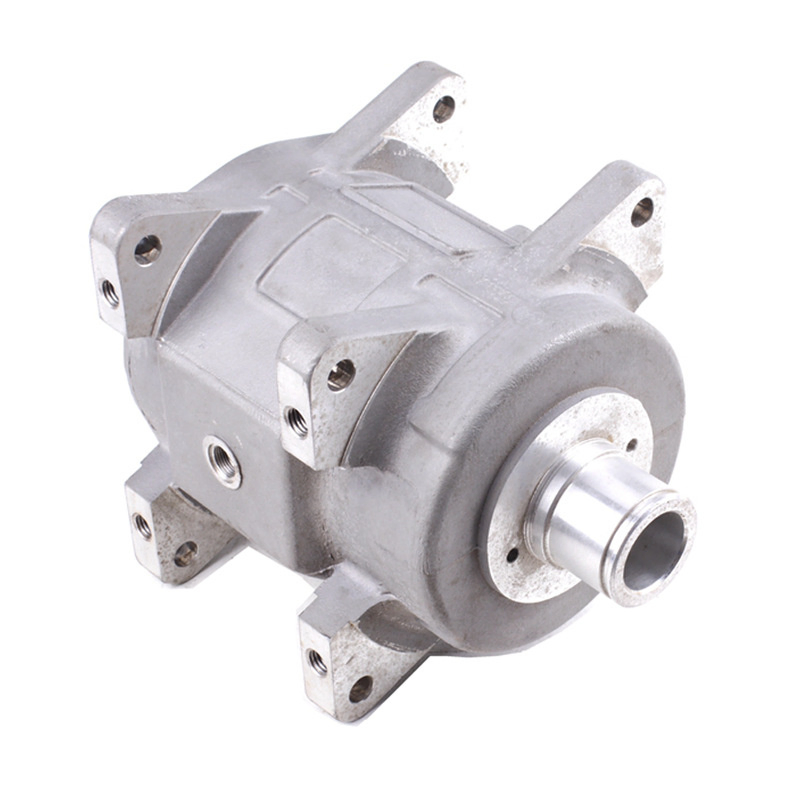
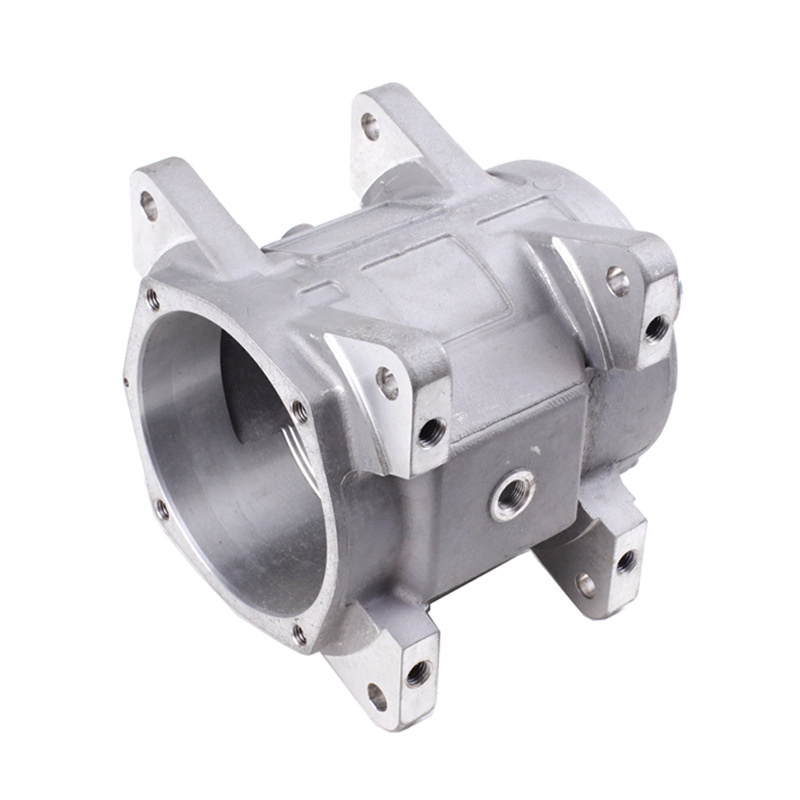
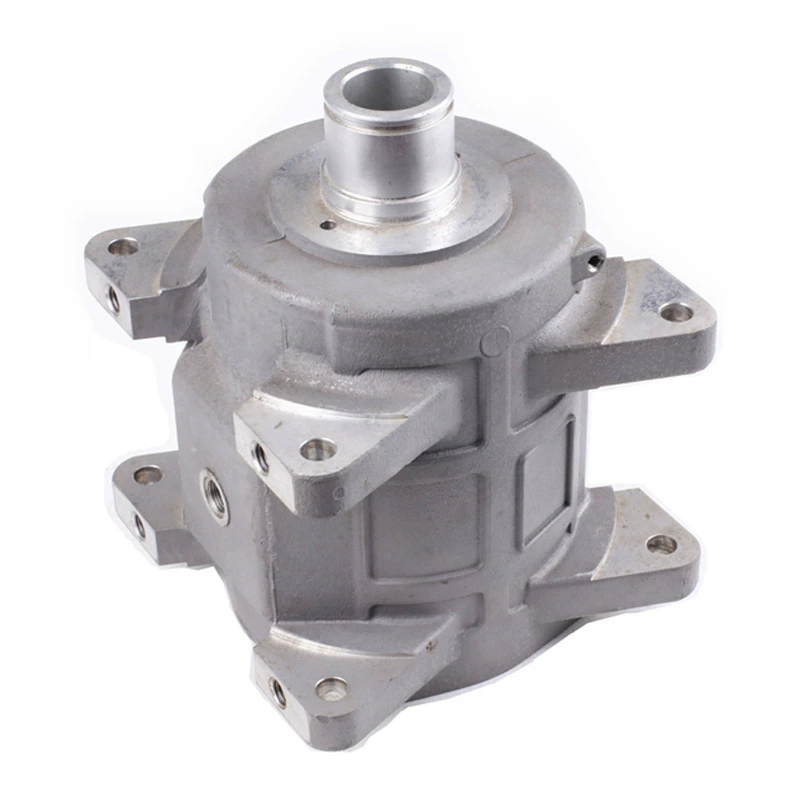
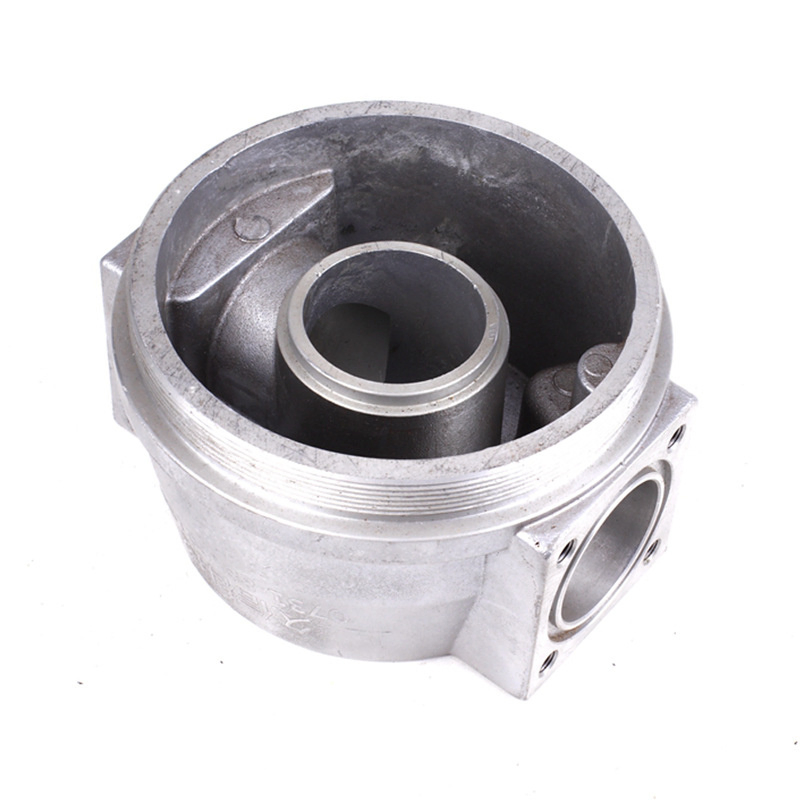
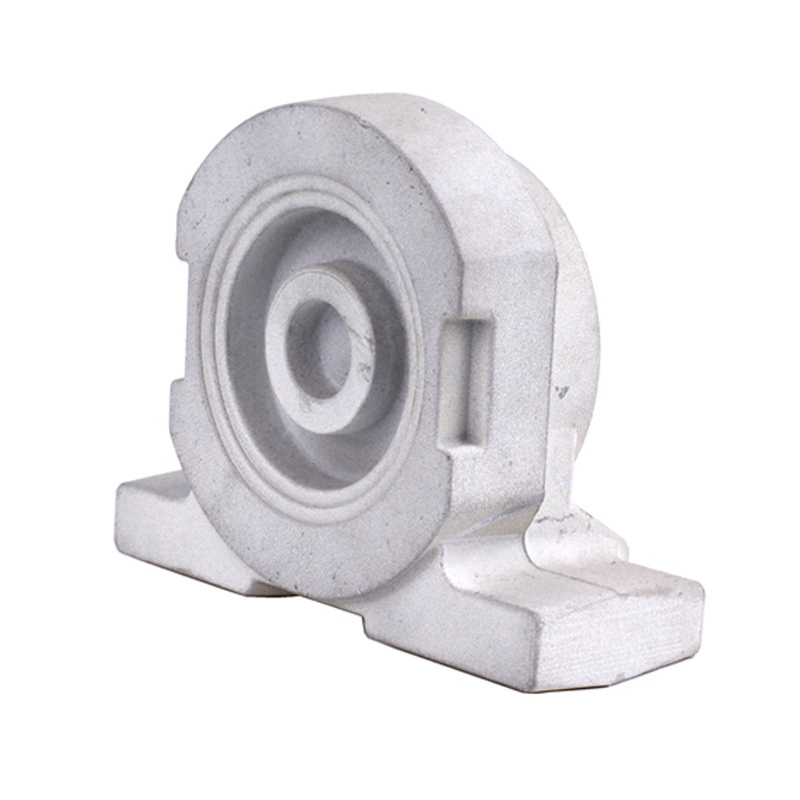
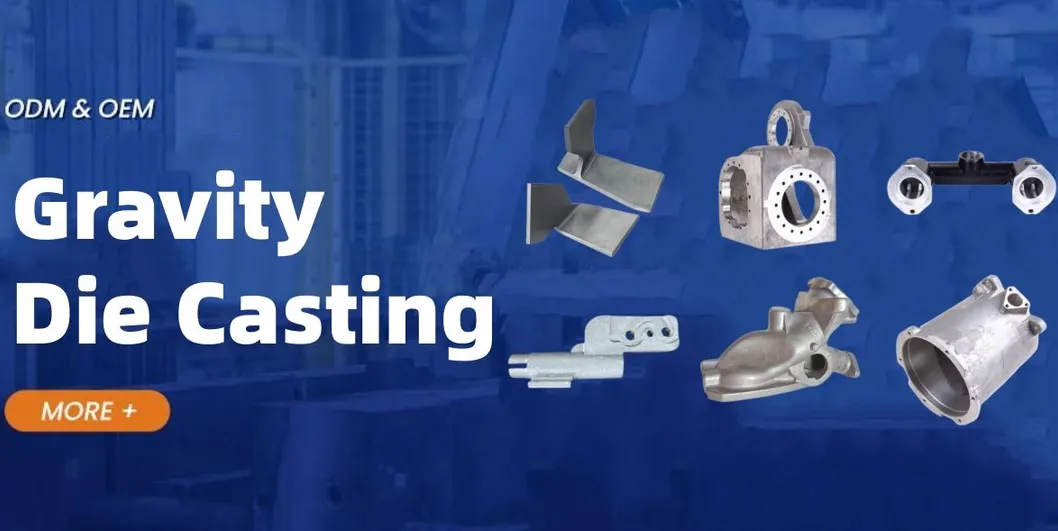
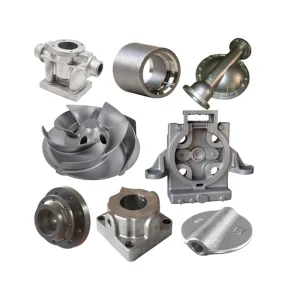
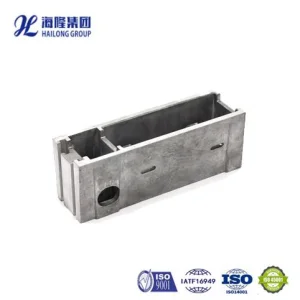
Gravity Die Casting (GDC), also known as permanent mold casting, is a liquid metal forming process where molten metal is poured into a reusable metal mold (typically made of steel or cast iron) solely under the force of gravity, then solidified and ejected to form the desired part.
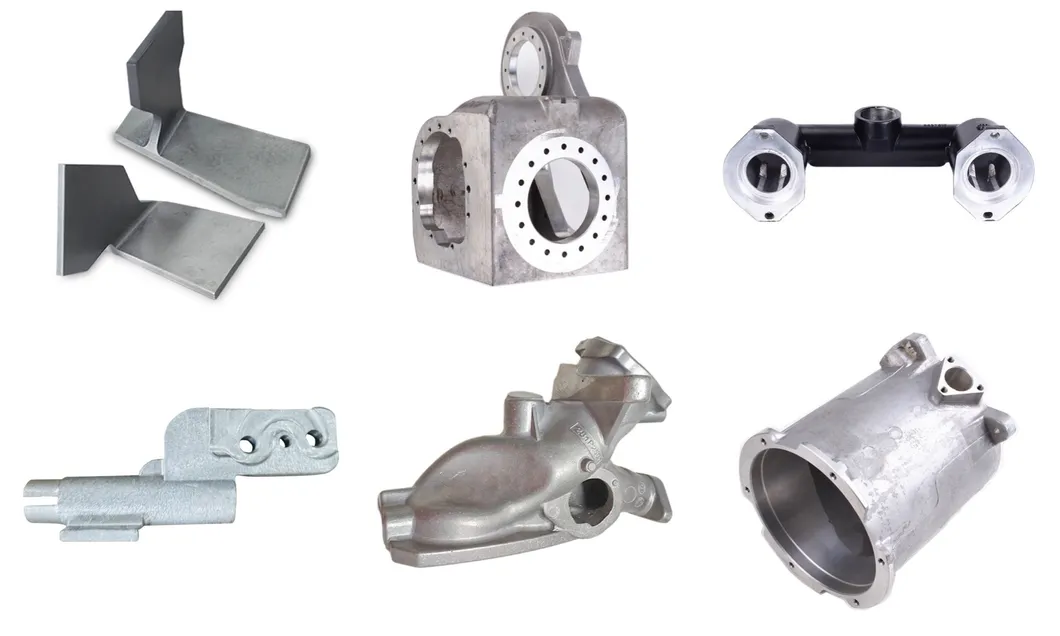
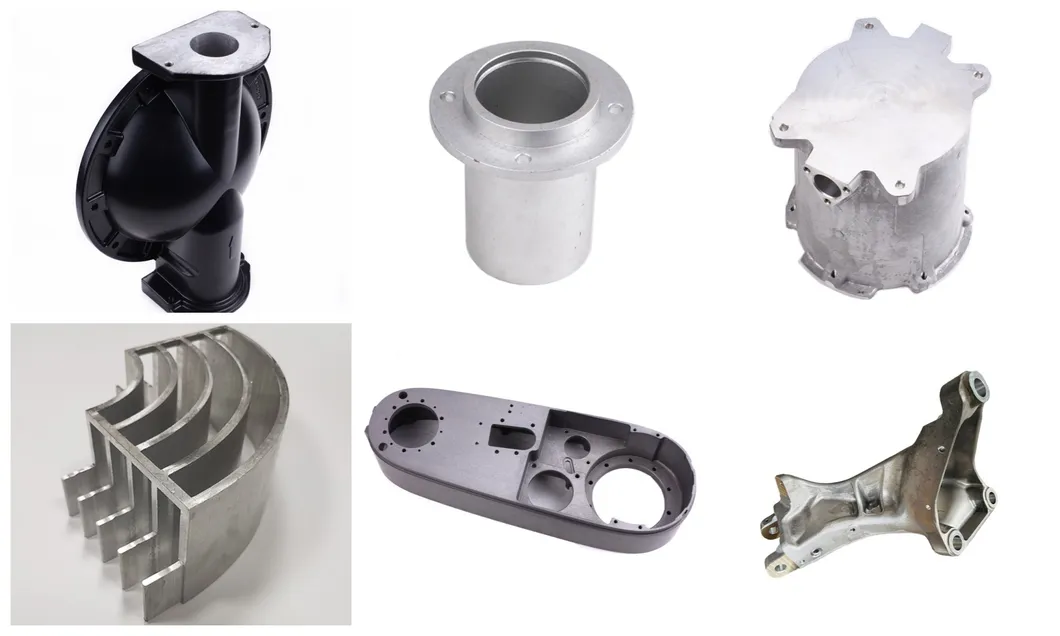
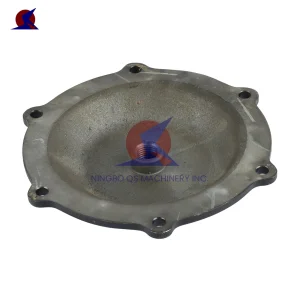
Gravity Die Casting 1
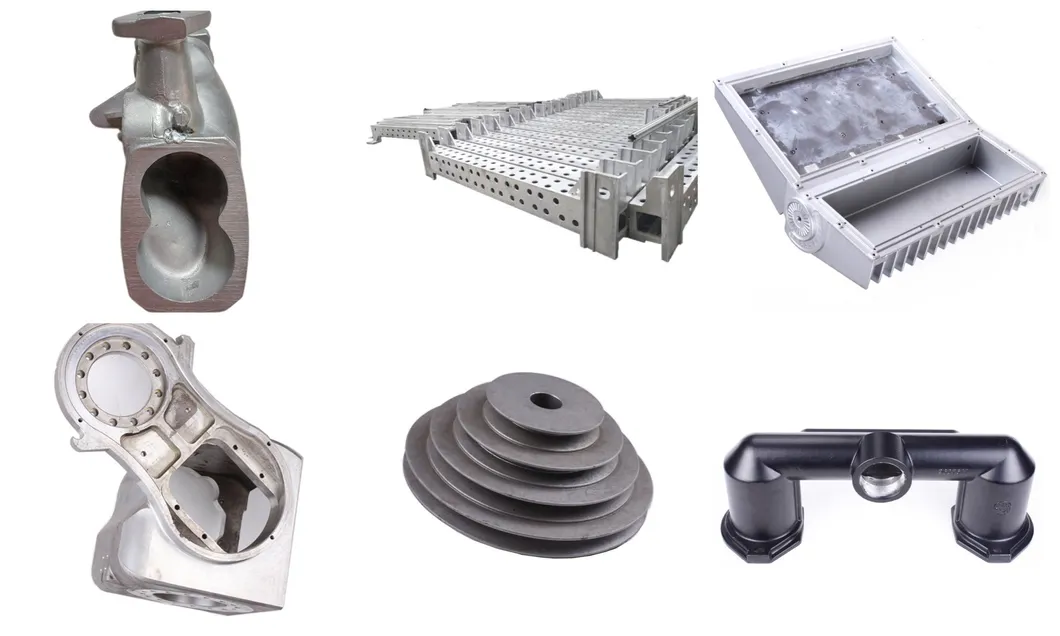
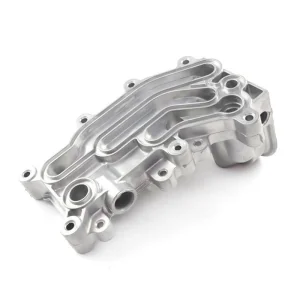
Gravity Die Casting 2
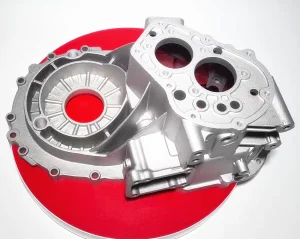
Gravity Die Casting 3
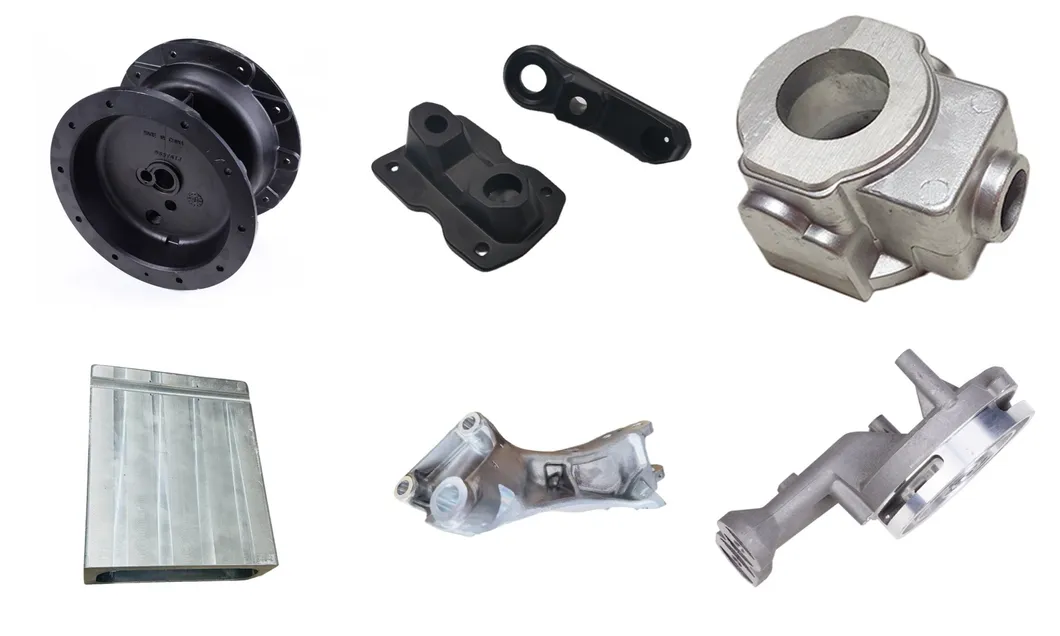
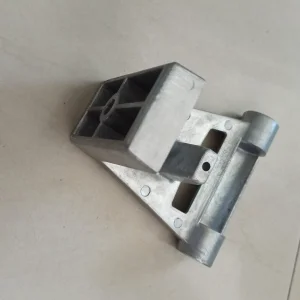
Gravity Die Casting 4
Mold & Driving Force: Reusable permanent molds enable high repeatability; filling relies entirely on gravity.
Suitable Materials: Mainly non-ferrous alloys such as aluminum alloys, zinc, magnesium, copper, and brass.
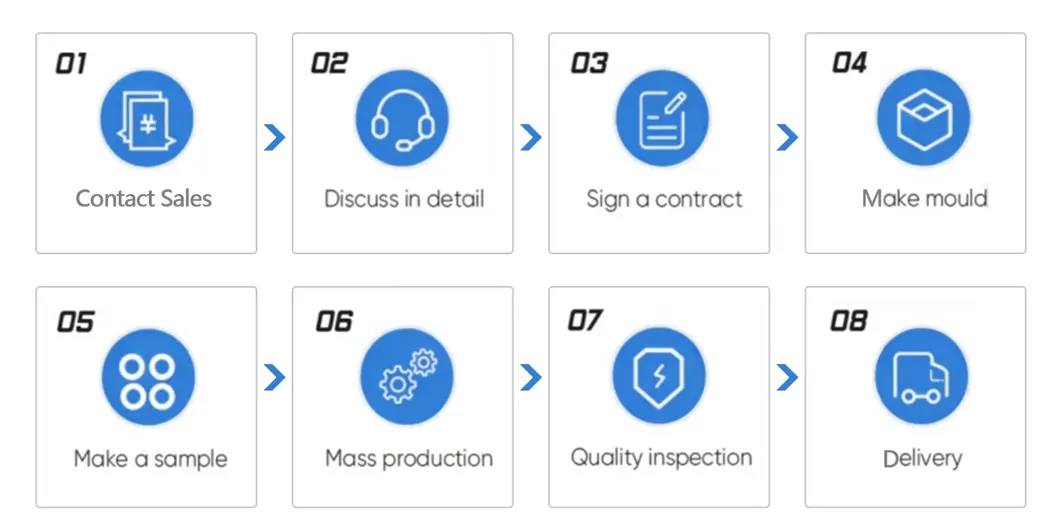
Process Flow: Melting → Mold preheating → Pouring → Cooling & solidification → Mold opening & ejection → Post-processing → Inspection.

Advantages & Application

Advantages Image 1
Advantages Image 2

Key Advantages

Higher dimensional accuracy and surface quality than sand casting; dense structure with low porosity, allowing heat treatment to enhance mechanical properties; cost-effective for medium-to-high volume production.

Process Summary

Industry Applications

Ideal for structural parts with medium complexity and wall thickness, widely used in:
Automotive (Engine blocks, gearbox housings)
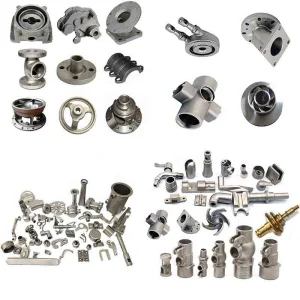
Machinery (Pumps, valves, connectors)
Consumer Electronics
Sports Equipment

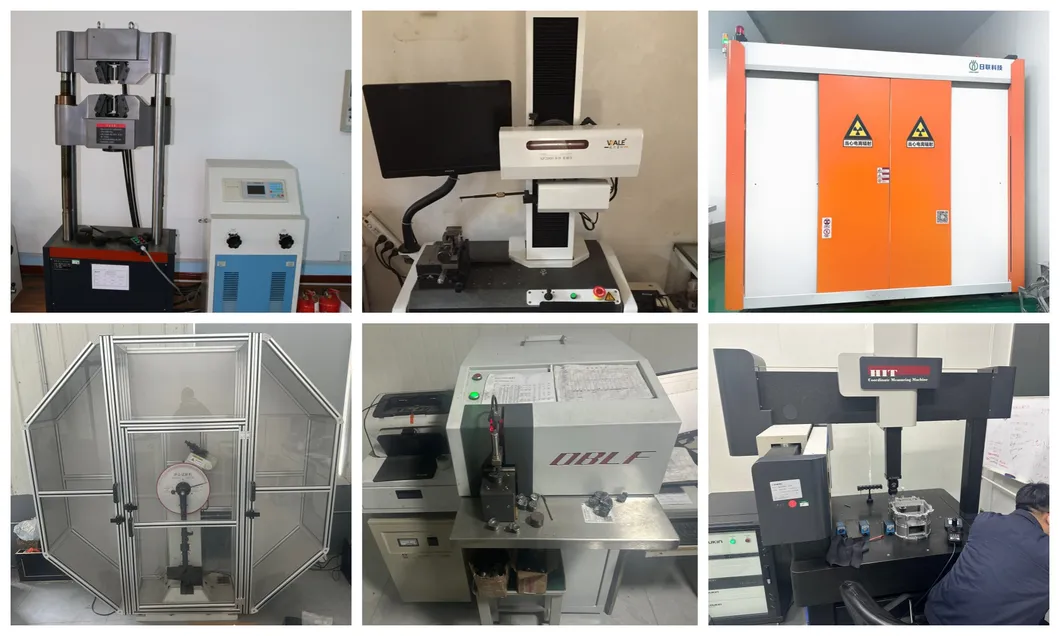
Quality Control & Test Equipment

Test Equipment Overview
Direct-Reading SpectrometerCoated Sand Sample Making Machine
Coordinate Measuring MachineTension Tester
X-Ray TesterImpact Test Machine
Surface Roughness TesterGas Tester
Coating Thickness GaugeMetallographic Microscope
Hardness Test MachineUltrasonic Flaw Detector
Salt Spray Testing MachinePressure Testing Machine

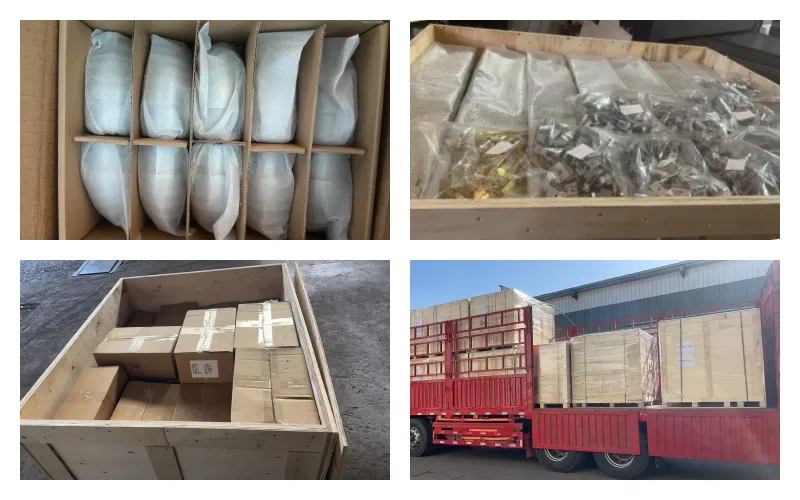
Packaging & Shipping

Packaging 1
Packaging 2

Manufacturing Capabilities

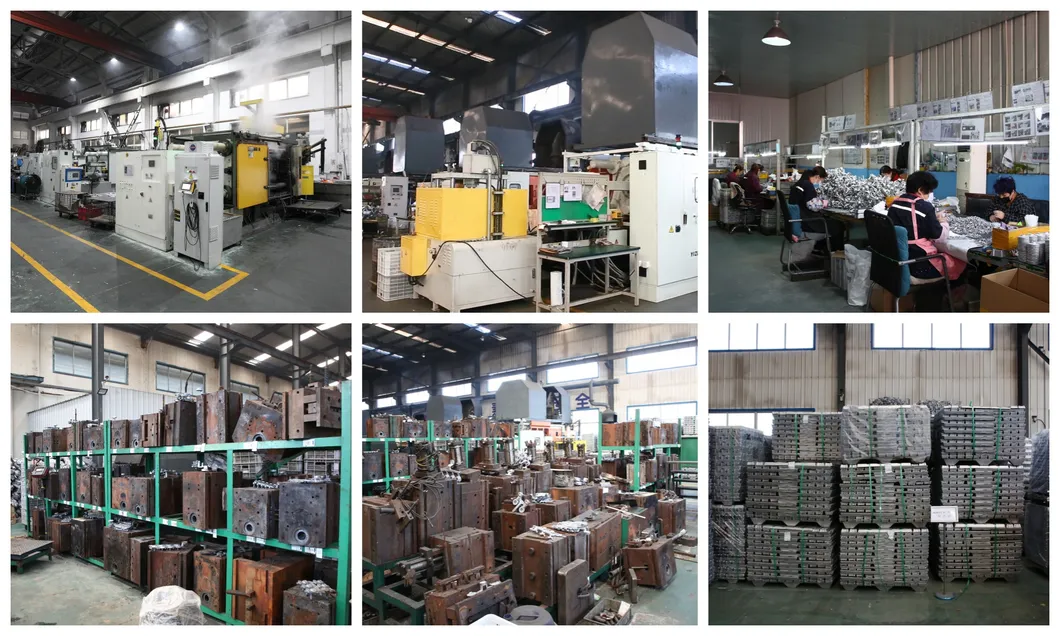
Production Line

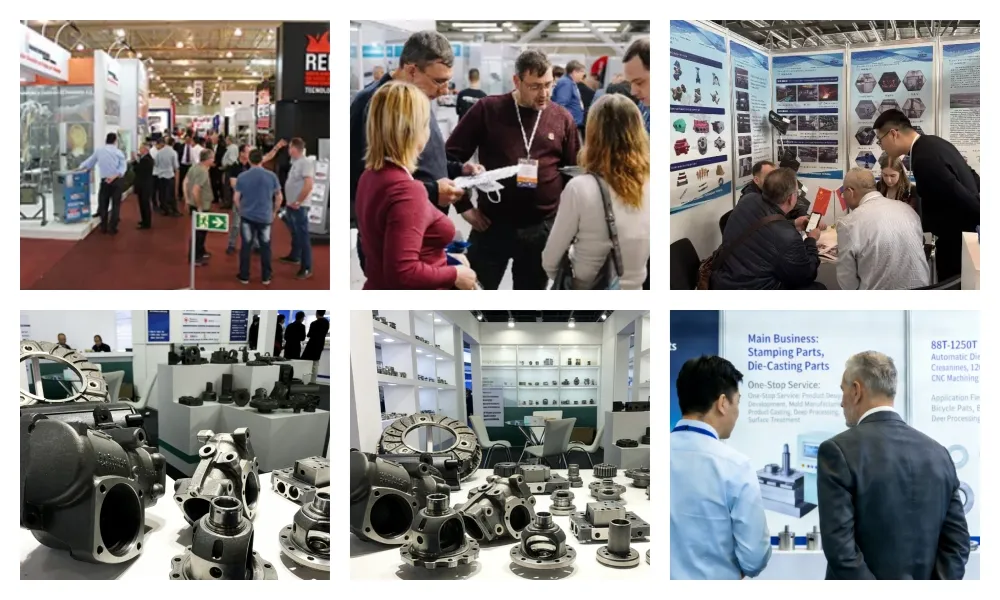
With over 15 years of experience, we provide professional one-stop solutions for OEM industrial products. From product design and development, mold manufacturing, and casting to deep processing and surface treatment, we offer high value-added services. Our processing range includes die casting, lost wax casting, sand casting, CNC milling, stamping, and welding.

Our facility features full-automatic die casting machines from 88T to 1250T and 120 sets of precision CNC machining centers. Adhering to the principle "Quality is second to none," we utilize advanced testing equipment including three-coordinate measuring and X-ray flaw detectors.
Factory Machine 1
Factory Machine 2
Product Range

Frequently Asked Questions

Q1: How fast can we get the new samples?
Usually 4-6 weeks after drawing approval. Samples will be delivered by international courier services.
Q2: What kind of surface can be supplied after casting?
Shot Blasting, polishing, anodizing, nickel plating, E-coating, Powder coating, electroplating, passivation, etc., according to needs.
Q3: What kind of drawing format is acceptable?
.jpg / .pdf / .dxf / .dwg / .igs / .stp / .step / .cad / .gis / .x_t
Q4: What's the lead time for order production?
Usually it takes 15-30 days according to different designs with different surface treatment.
Q5: How to prevent porosity in die cast parts?
Solutions include: Optimizing mold venting design, degassing molten metal using rotary degassers, and adjusting injection speed/pressure parameters.
Q6: Key design rules for die casting?
Critical guidelines: Uniform wall thickness (2.5-4mm recommended), avoiding sharp corners (min radius ≥0.5mm), and including draft angles (1°-3° standard).
Bottom Banner

Related Products