🔍 Product Description
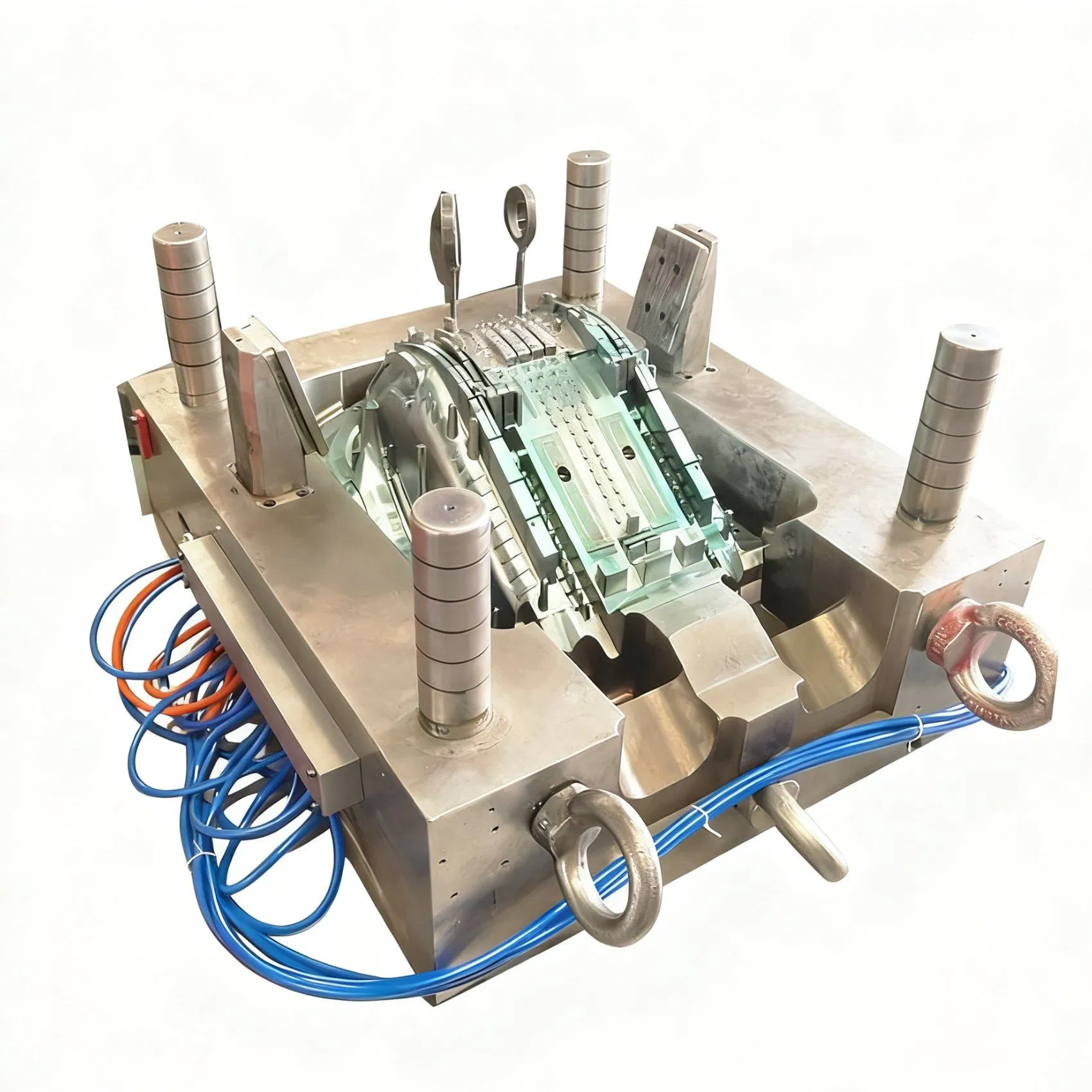
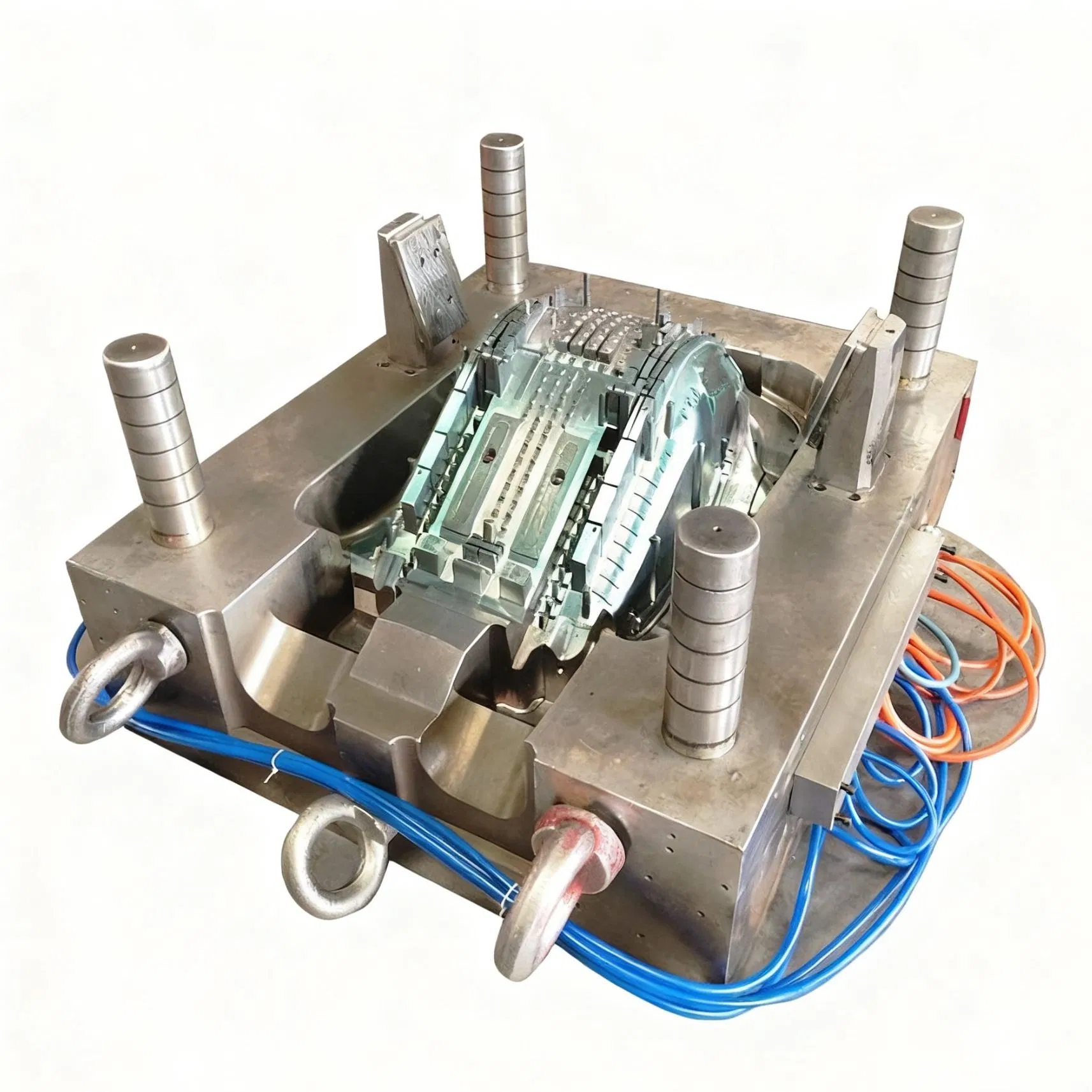
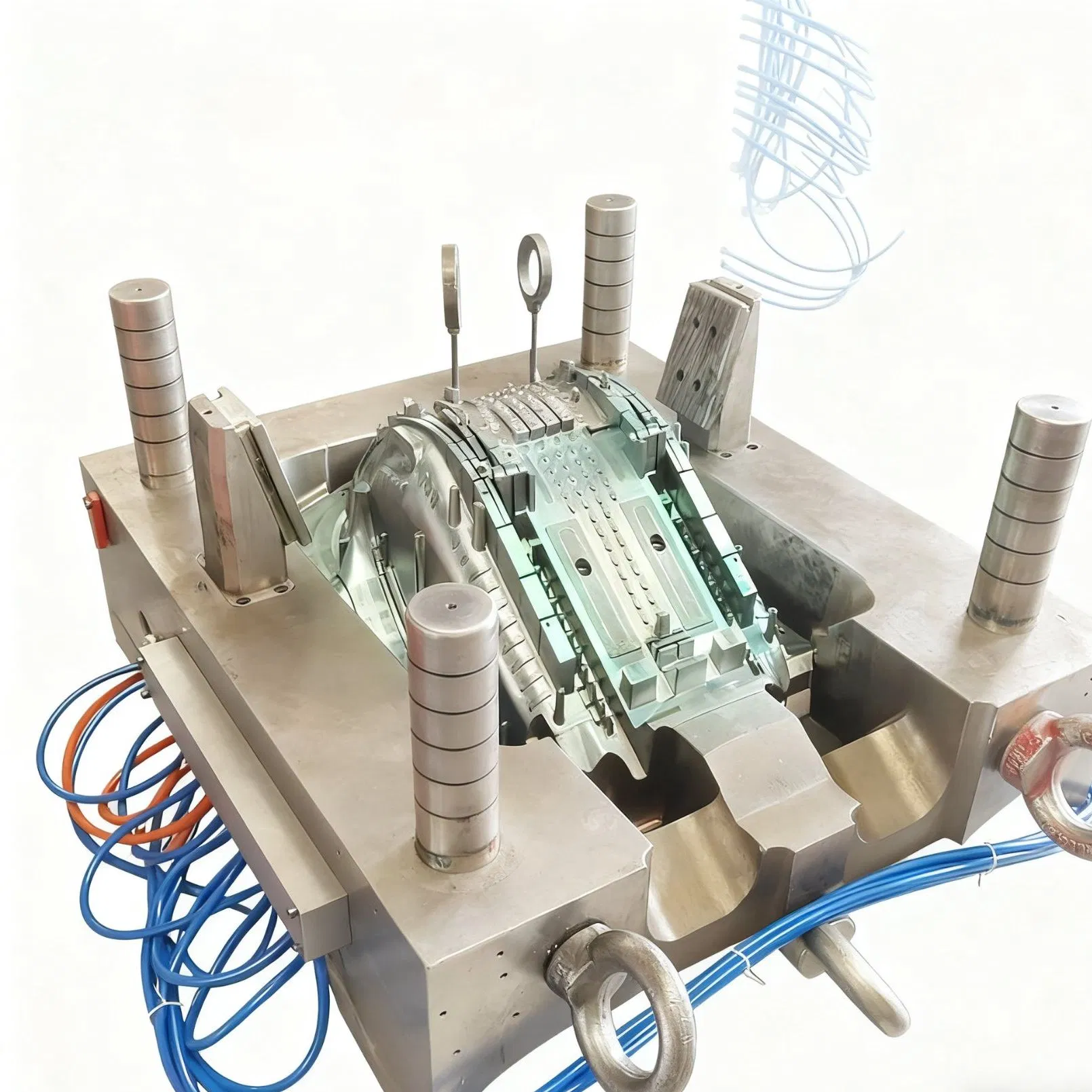
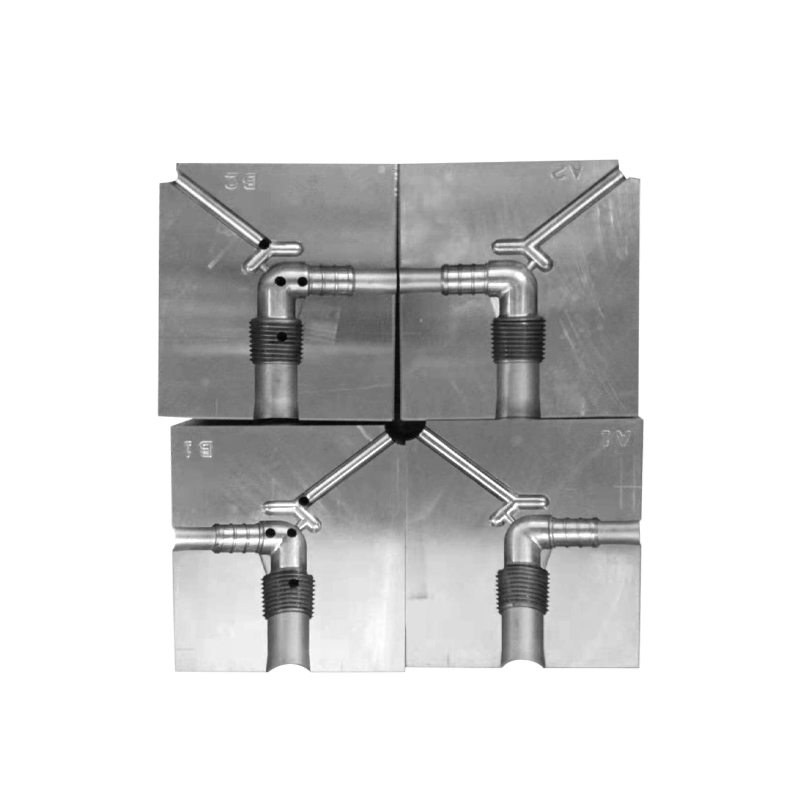
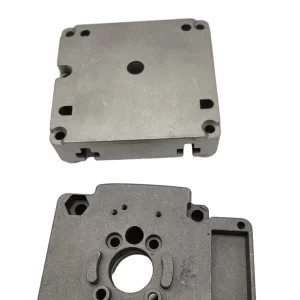
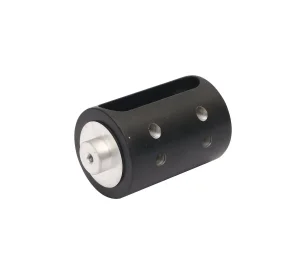
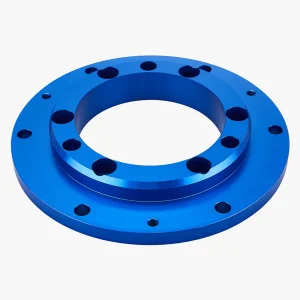
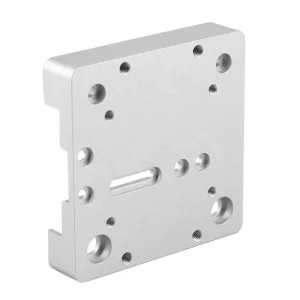
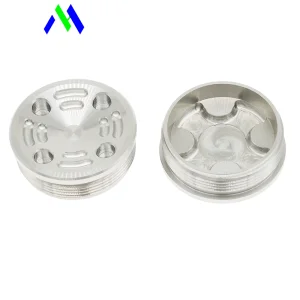
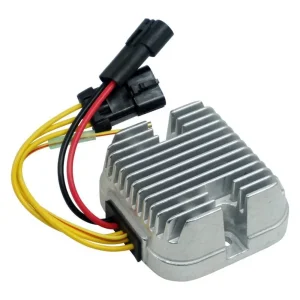
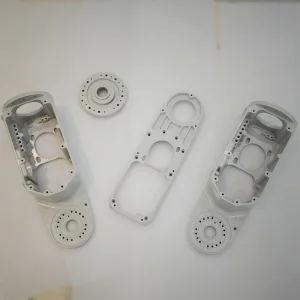
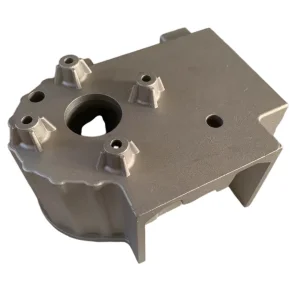
Die casting is a precision metal forming process that involves injecting molten metal under high pressure into reusable steel molds (dies) to create complex-shaped components with tight tolerances. This method is widely recognized for its efficiency, high repeatability, and ability to produce parts with excellent surface finishes and structural integrity.
The global die casting market is driven by automotive lightweighting, EV production, and advancements in high-pressure die casting (HPDC) technology. Magnesium die casting enables lightweight, durable parts for portable electronics, while aluminum alloys meet the demanding requirements of automotive powertrains.
🏭 Manufacturing Capabilities
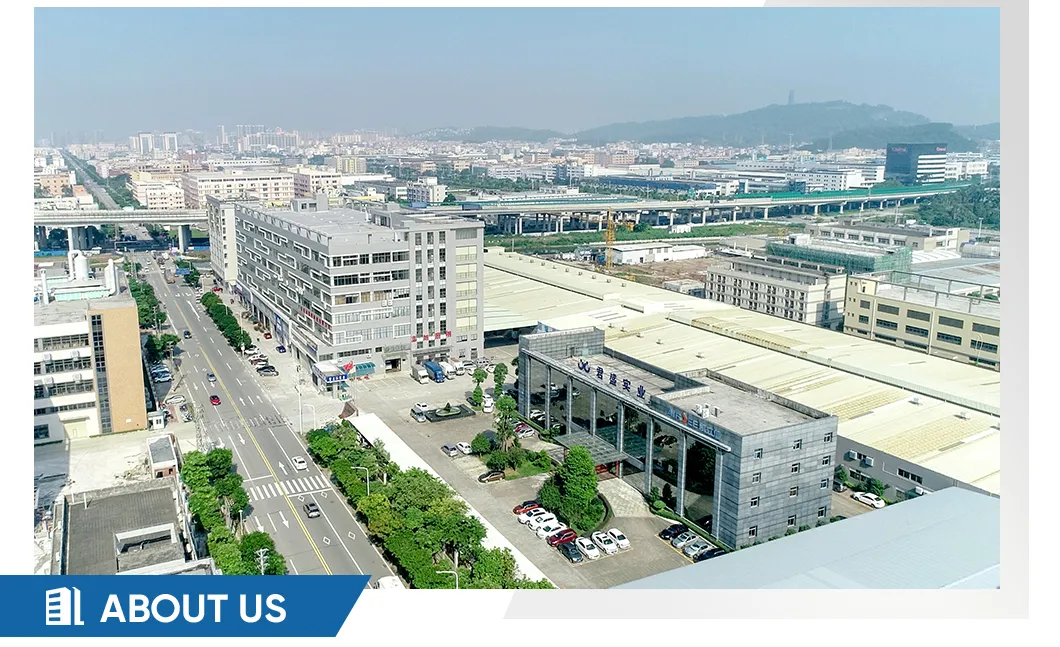
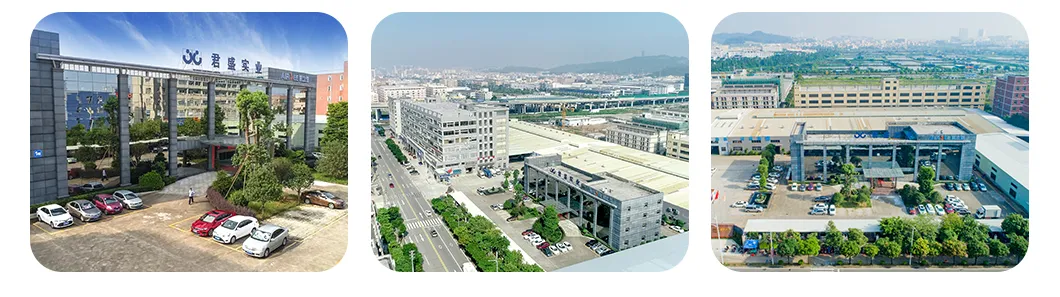
Established in 2000, our facility occupies an industrial campus spanning over 100 acres with a total built-up area exceeding 80,000 square meters. Currently employing 400 professionals, including a skilled workforce of over 100 technical personnel and engineers. We operate an in-house mold research institute and are equipped with state-of-the-art manufacturing facilities, including:
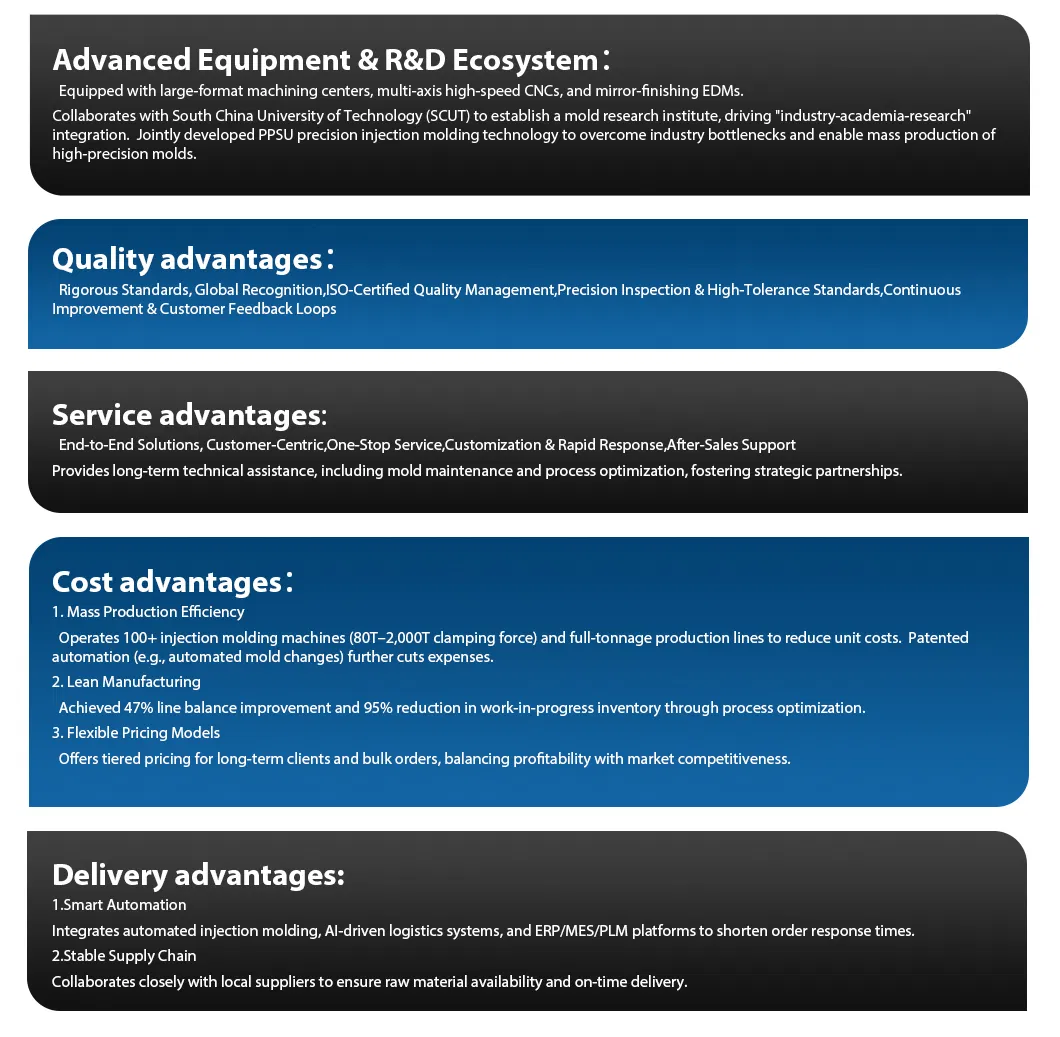
● Large-format machining centers
● Multi-axis high-speed CNC machines
● Mirror-finishing EDM systems
● Coordinate measuring machines (CMMs)
❓ Frequently Asked Questions
What industries do you specialize in?
We specialize in serving industries such as automotive, consumer electronics, medical devices, home appliances, and industrial equipment. Our expertise spans precision molds for high-complexity parts and high-volume production solutions.
Do you offer both mold design and manufacturing services?
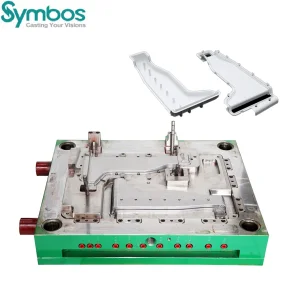
Yes, we provide end-to-end solutions, including mold design (2D/3D CAD modeling), material selection (e.g., SKD61, S136 for high wear resistance), CNC machining, EDM, and post-processing.
What types of molds do you manufacture?
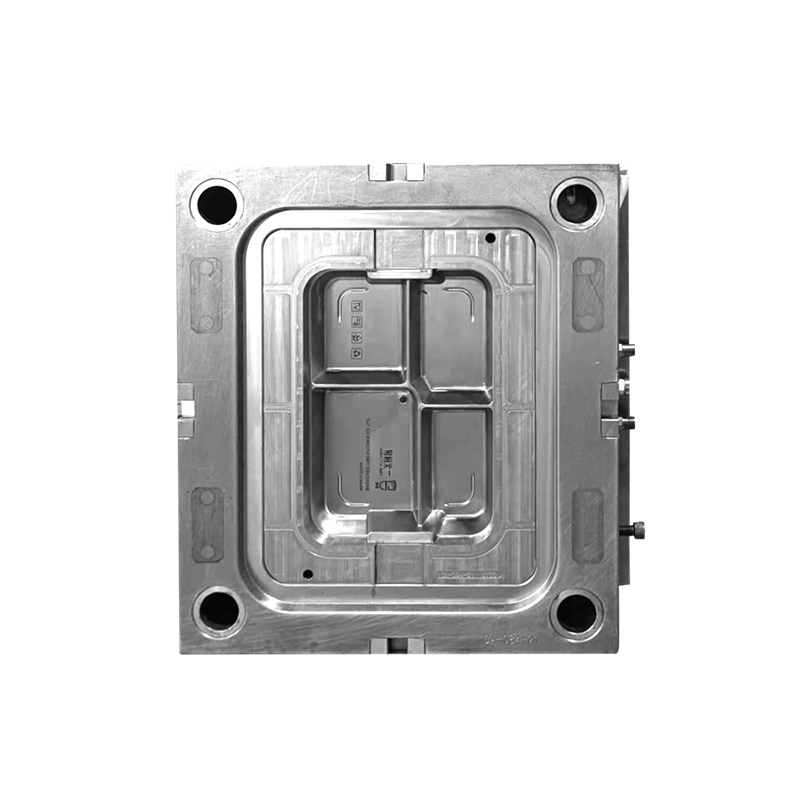
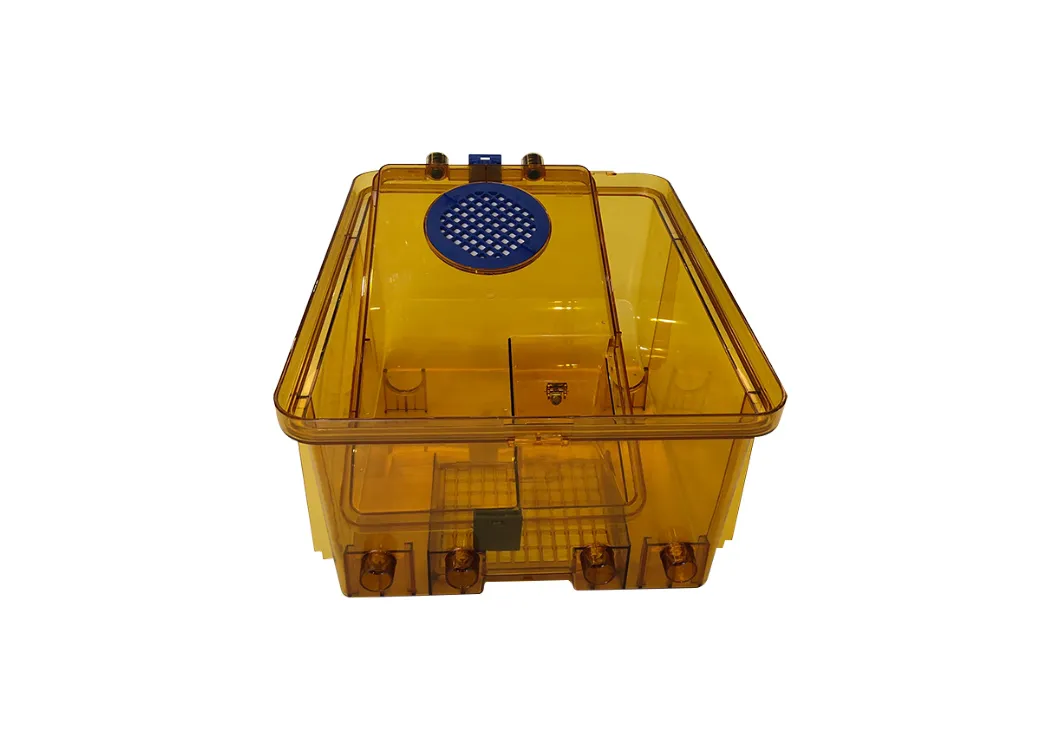
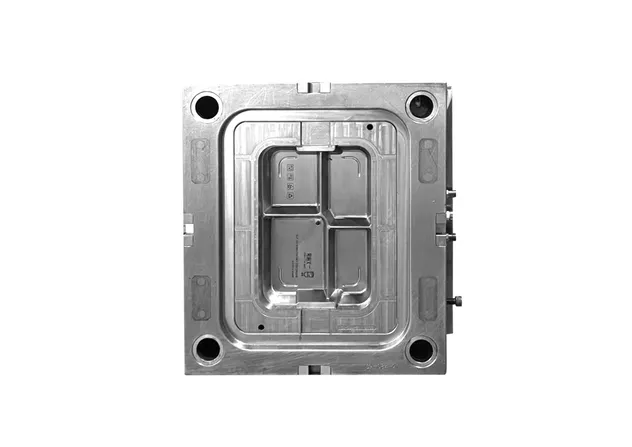
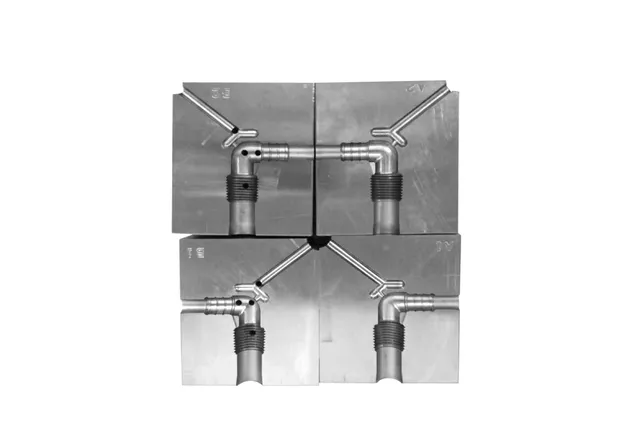
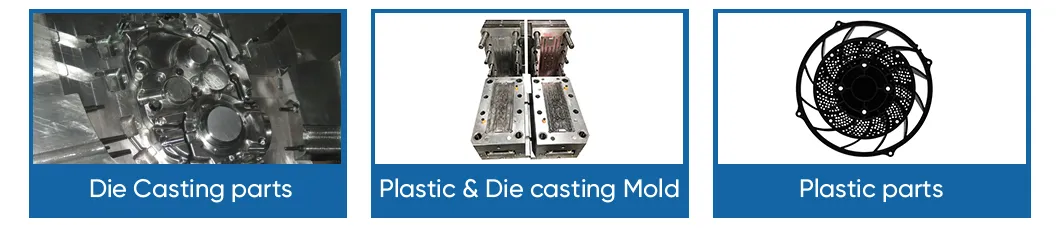
We produce plastic injection molds (for thermoplastics like ABS, PP, PC) and die-casting molds (for aluminum, zinc alloys). Our capabilities include hot runner systems, multi-cavity molds, and high-precision components.
How do you ensure mold accuracy?
We use advanced CNC machining (±0.025mm tolerance) and EDM for fine finishing. Critical surfaces undergo polishing (Ra < 0.8 um) to prevent defects like flow marks.
Can you achieve tight tolerances?
Yes, we can achieve tight tolerances of ±0.05mm through multi-stage CNC machining, in-process inspections, and post-mold testing.
What quality certifications do you hold?
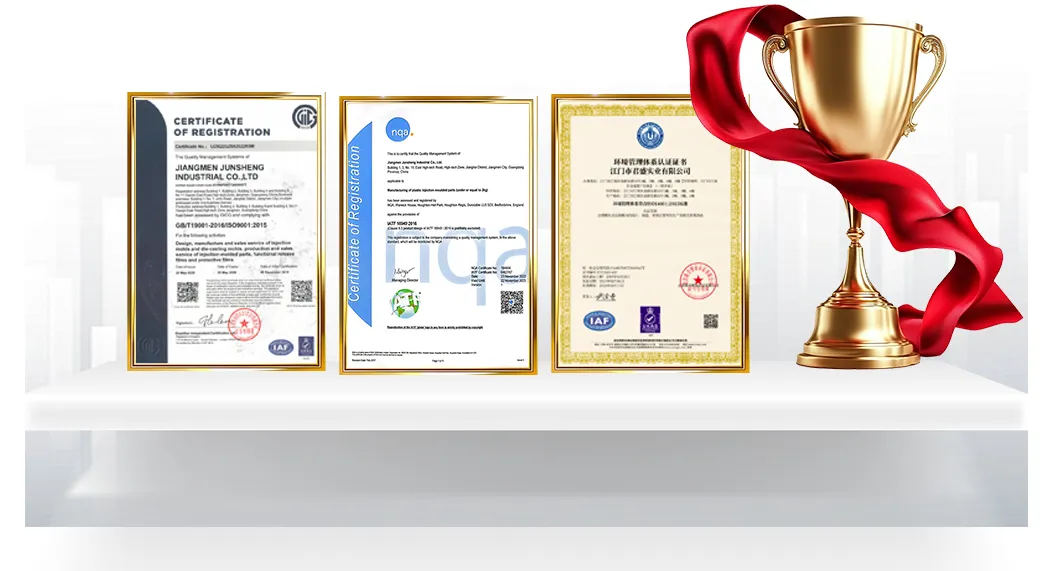
Our facility is ISO 9001-certified with full material traceability, 100% in-process inspections, and final product testing (e.g., CMM for dimensional accuracy).
 Singer Cast