Optimizing Global Component Sourcing and Production Efficiencies in the Era of Industry 4.0
1. Executive Summary & Core Value Proposition
In the modern industrial landscape, the transition from product design to high-volume manufacturing is filled with engineering and economic bottlenecks. Design for Manufacturing (DFM) stands as the ultimate methodology to bridge this gap, integrating product engineering with process design to ensure optimal quality, minimal cycle time, and maximized cost efficiency. As a leading manufacturer and exporter in China, Ningbo Singer Cast Co., Ltd. champions this integration by merging robust casting designs with state-of-the-art multi-axis CNC machining, tooling processes, and advanced metallurgy. By resolving complex manufacturing constraints during the early design phase, our DFM workflows eliminate component failures, lower raw material waste, and accelerate your time-to-market.
70%
Cost Impact in Design Stage
30%+
Production Cycle Reduction
99.8%
Quality Acceptance Rate
0ppm
Defect Target
2. About Ningbo Singer Cast Co., Ltd.
Ningbo Singer Cast Co., Ltd. is a professional die casting manufacturer specializing in aluminum, zinc, and precision metal components for a wide range of industrial applications. With years of experience in the metal manufacturing industry, the company has built a strong reputation for delivering high-quality, cost-effective solutions to global customers.
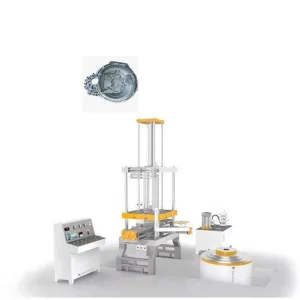
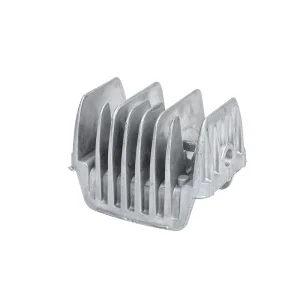
Singer Cast provides a comprehensive range of services, including high-pressure die casting, mold design and development, CNC machining, surface finishing, and assembly. Its products are widely used in industries such as automotive, electronics, lighting, machinery, and consumer goods, meeting diverse requirements for durability, precision, and performance.
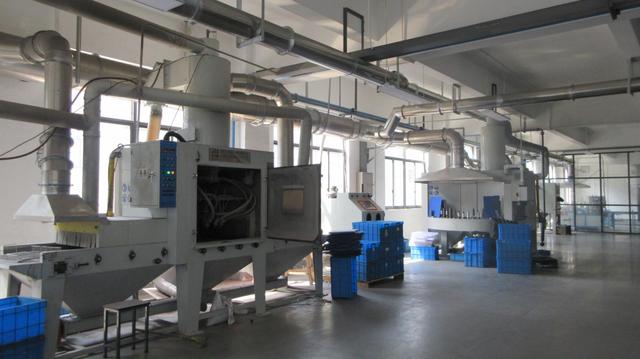
Equipped with advanced production facilities and supported by a skilled engineering team, Ningbo Singer Cast focuses on continuous innovation and process optimization. The company ensures strict quality control at every stage of production, from raw material selection to final inspection, complying with international standards and customer specifications.
Dedicated to customer satisfaction, Singer Cast offers flexible OEM/ODM services and efficient project management to support customized manufacturing needs. With a strong global supply capability, the company is committed to delivering reliable, high-precision die casting components that help clients enhance product competitiveness and achieve long-term success.
3. Global Business & Industrial Landscape of DFM
Globally, manufacturing is shifting from simple labor-cost calculations to system-level productivity evaluations. In key markets such as North America, Europe, and the Asia-Pacific region, industries like automotive electrification, consumer electronics, and telecom infrastructure demand lighter weight, higher heat dissipation, and superior mechanical properties.
"According to industry benchmarks, over 70% of a product's development and manufacturing cost is locked in during the initial design phase. Standardized DFM processes directly influence this critical cost sector."
By identifying tooling difficulties—such as deep pockets, inadequate draft angles, or inconsistent wall thicknesses—before the molten metal is injected or the CNC cutter touches the stock, DFM saves global firms billions of dollars annually in tooling rework. In addition, the push toward localized assembly and resilient supply chains has driven international buyers to request comprehensive DFM verification from Chinese wholesale exporters at the request-for-quote (RFQ) phase.
4. Industrial Trends: The Evolution of Precision Manufacturing
Material Science Innovations
Rapid integration of next-generation alloys such as AlSi10Mg and magnesium alloys for lightweight structural performance, particularly within automotive and consumer electronics.
Modular Tooling & Die Design
Transition from monolithic mold setups to highly modular, interchangeable core inserts, facilitating rapid design updates and lowering maintenance costs.
Green Manufacturing & Zero Waste
Strict focus on reducing scrap rates. Modern DFM focuses on optimizing gate and runner design in die casting to ensure minimal post-processing scrap and maximum remelt efficiency.
5. Localized Application Scenarios
Ningbo Singer Cast implements tailor-made DFM methodologies across different industries to address unique technical and environmental requirements:
Automotive & EV Industry: Electric Vehicle (EV) drive units, motor control housings, and powertrain castings require strict pressure tightness and mechanical strength. Through specialized thermal and flow analysis, we customize wall thicknesses and gate setups to eliminate inner porosity, ensuring zero leakage for high-performance coolant loops.
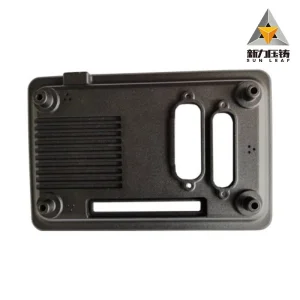
Consumer Electronics & Devices: Modern laptops, tablets, and wearable device housings demand exceptionally tight dimensional tolerances and premium surface finishes. We use multi-cavity hot-chamber die casting and precise high-speed CNC milling to create ultra-thin, structurally sound metal frames with minimal weight.
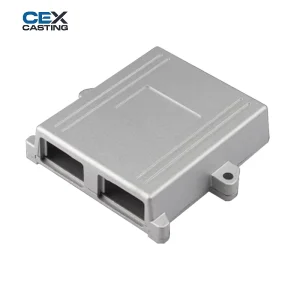
Industrial Automation & Electrical: Structural parts like Engine Control Unit (ECU) housings and robot arm components demand superior EMI/RFI shielding and environmental resistance. We optimize mating surfaces, sealing grooves, and specify corrosion-resistant coatings (such as anodizing, e-coating, and powder coating) to secure long-term durability.
6. Technology Roadmap & Future Outlook (2025–2030)
At Ningbo Singer Cast, we look ahead to keep our clients at the forefront of the manufacturing industry. Our development roadmap focuses on integrating cutting-edge digital technologies directly into the manufacturing process:
Generative Design and AI: Incorporating machine learning algorithms to automatically suggest part adjustments, draft angle corrections, and optimal gate placement during the CAD stage.
Ultra-High-Pressure Die Casting (Giga-casting): Supporting the automotive trend toward large, single-piece structural castings that combine multiple sub-assemblies to reduce assembly costs and vehicle weight.
Advanced Multi-Axis Toolpath Optimization: Implementing CAM systems with toolpath strategies that reduce machine cycle times and extend cutting tool life, keeping our wholesale components cost-competitive on the global market.
7. Macro Industry Solutions: Simplifying Global Sourcing
Sourcing custom components from China involves managing design intent, quality control, shipping logistics, and regulatory compliance. Ningbo Singer Cast offers a complete turnkey solution:
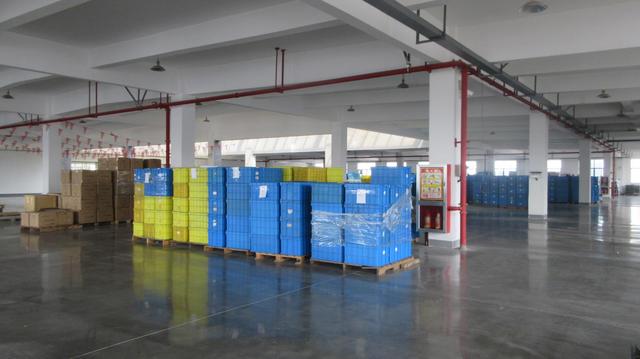
We handle every phase of your project, starting with pre-design DFM reviews, moving through mold design, casting, precision machining, surface coating, custom packaging, and ending with international logistics. This end-to-end integration simplifies your supply chain, eliminates third-party markups, and reduces risk, making us a trusted manufacturing and exporting partner.
Frequently Asked Questions (FAQ)
Expert answers to common questions about design for manufacturing, die casting, and custom CNC machining.
Q1: How does Design for Manufacturing (DFM) lower overall tooling costs?
DFM identifies features that are difficult to manufacture—such as sharp internal corners, deep pockets, or inadequate draft angles—early in the design phase. Addressing these design details beforehand helps avoid expensive modifications to steel tooling, reduces scrap rates, and extends the overall service life of the mold.
Q2: Which materials are best suited for high-pressure die casting?
Aluminum alloys (such as ADC12, A380, and AlSi10Mg) are the most popular choices due to their excellent balance of lightweight properties, high thermal conductivity, and structural strength. Zinc alloys are preferred for small, high-precision components that require thin wall structures and detailed surface finishes, while magnesium alloys are ideal for applications requiring maximum weight savings.
Q3: How does Ningbo Singer Cast guarantee consistent quality for wholesale exports?
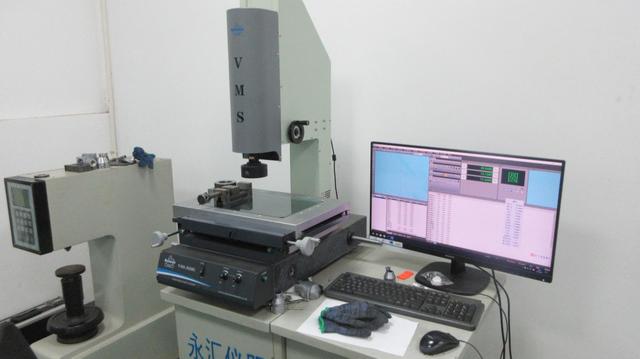
We follow a strict quality management system that includes detailed raw material analysis, real-time process monitoring during die casting, CMM dimensional verification, pressure tightness testing, and final inspections. Detailed inspection reports are provided with every shipment.
Q4: What is the typical lead time for custom mold design and sample production?
Generally, mold design and fabrication take about 30 to 45 days, depending on the complexity of the part and the number of cavities. Once the mold is ready, initial samples can be cast, machined, and shipped for client approval within 5 to 7 working days.
Q5: Can you accommodate design changes after tool fabrication has begun?
Minor modifications can often be made by adjusting tool inserts or using EDM (Electrical Discharge Machining) to remove additional metal from the mold cavity. Major structural changes, however, may require building a new insert or tool. This highlights the importance of our upfront DFM reviews to finalize the design before cutting tool steel.
Q6: What surface treatments do you offer for cast aluminum parts?
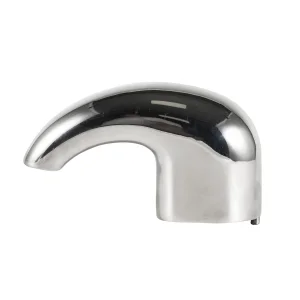
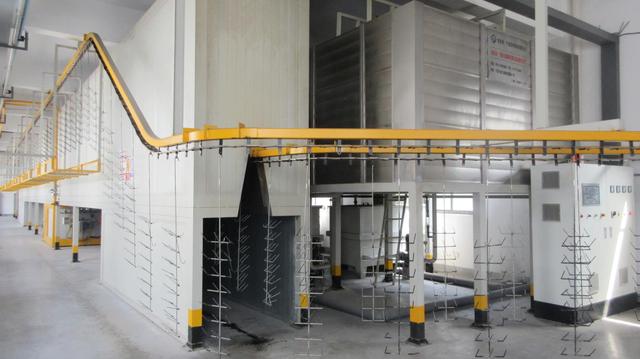
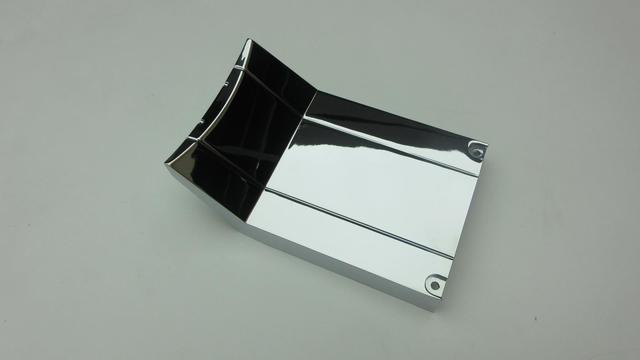
We offer a complete range of surface finishes, including shot blasting, sandblasting, chemical conversion coating, powder coating, e-coating, wet painting, and custom anodizing, allowing us to meet diverse aesthetic and corrosion-resistance requirements.
Q7: How does your CNC machining service complement the die casting process?
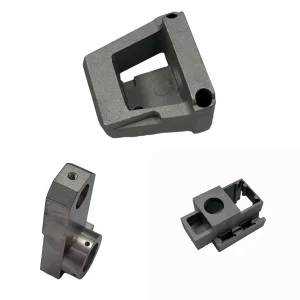
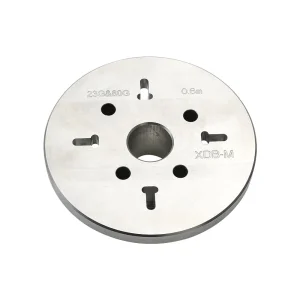
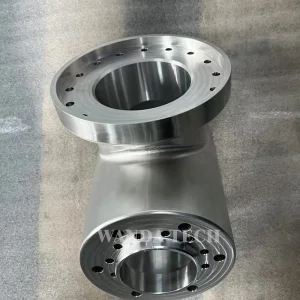
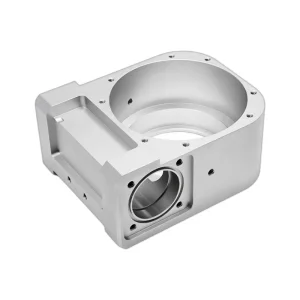
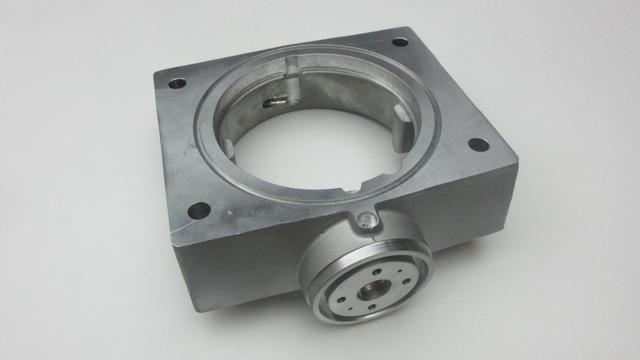
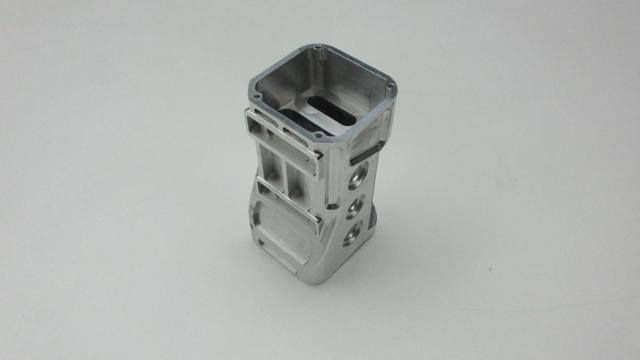
While die casting delivers parts close to their final shape, CNC machining is used to finish critical features requiring extremely tight tolerances (up to ±0.01 mm), such as bearing bores, threaded holes, and flat mating surfaces. This combination provides both the speed of die casting and the precision of machining.
Q8: How does Ningbo Singer Cast handle shipping and customs clearance for overseas clients?
We offer flexible shipping terms including FOB, CIF, DDU, and DDP. Our export logistics team coordinates with international carriers to manage customs documentation, packing compliance, and shipping, ensuring smooth delivery to your facility.
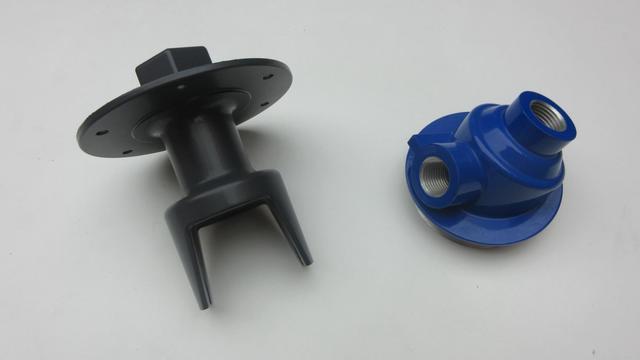
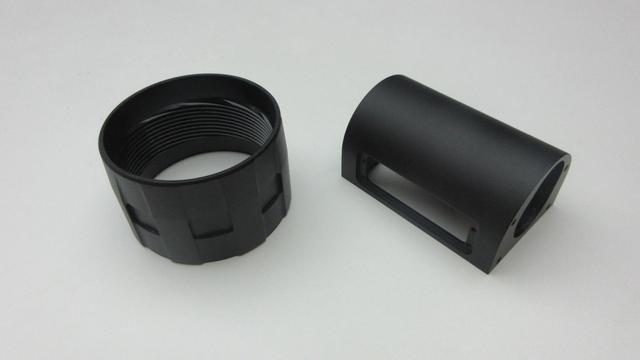
Featured Engineering Solutions - Phase II
Advanced cast and machined components engineered for reliability, durability, and high performance.

 Singer Cast