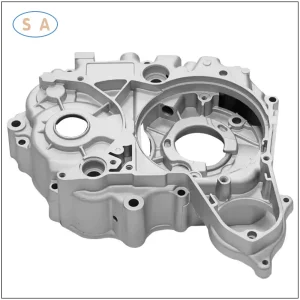
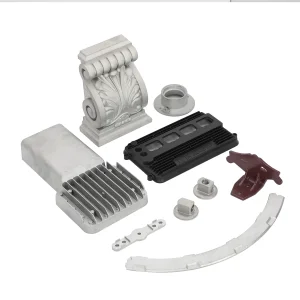
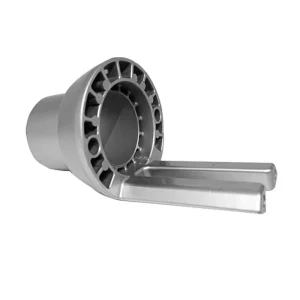
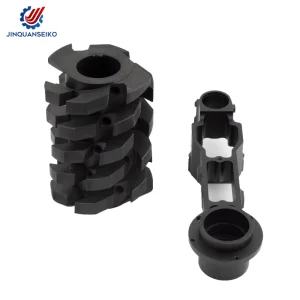
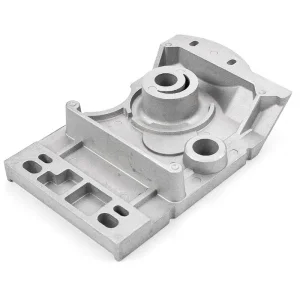
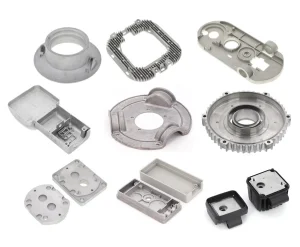
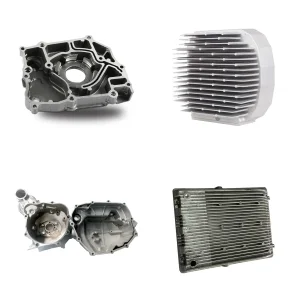
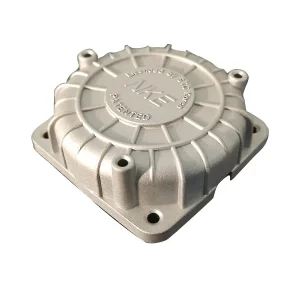
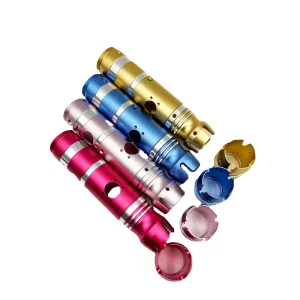
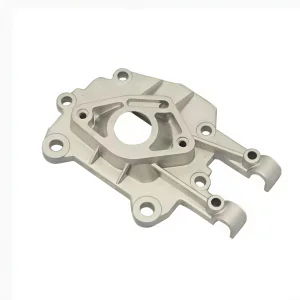
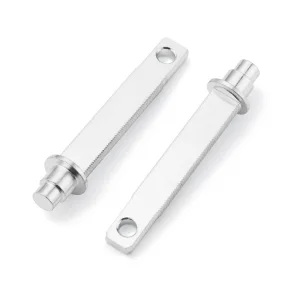
Ningbo Singer Cast Co., Ltd. stands as a vanguard in the field of high-precision die casting, operating at the intersection of metallurgical science and advanced mechanical engineering. As a premier Custom OEM Material Selection Factory & Supplier, we recognize that the foundation of any high-performance component lies in the strategic choice of alloys.
Our facility is not merely a production site; it is a center of excellence where material properties are optimized to meet the rigorous demands of the automotive, aerospace, and electronics industries. By integrating High Pressure Die Casting (HPDC), CNC machining, and rigorous E-E-A-T (Experience, Expertise, Authoritativeness, and Trustworthiness) principles, we deliver information gain that empowers procurement officers and engineers to make data-driven decisions.
The industrial landscape is undergoing a seismic shift towards lightweighting, sustainability, and thermal efficiency. In the automotive sector, the transition to Electric Vehicles (EVs) has made aluminum and magnesium alloys indispensable due to their high strength-to-weight ratios. In the realm of 5G and LED lighting, thermal management materials like Al-Si alloys are being pushed to their limits to dissipate heat effectively.
Modern factories are now prioritizing secondary (recycled) aluminum alloys like ADC12 and A380, which require only 5% of the energy compared to primary aluminum production, significantly reducing the carbon footprint of the supply chain.
With the rise of high-power electronics, material selection has pivoted towards specialized alloys that maintain structural integrity while providing thermal conductivity exceeding 150 W/m·K.
AI-driven simulation tools now allow us to predict porosity and crystalline structures before a single drop of molten metal is poured, ensuring "Right First Time" manufacturing.
Achieving the perfect cast involves a complex interplay of temperature control, pressure dynamics, and metallurgical purity. At Ningbo Singer Cast, we utilize a 900-ton high-pressure machine to ensure dense grain structures and minimal air entrapment.
| Material Class | Typical Grades | Key Advantages | Primary Application |
|---|---|---|---|
| Aluminum Alloys | A380, ADC12, A356 | Lightweight, Excellent Fluidity, Corrosion Resistance | Automotive Housings, LED Sinks |
| Zinc Alloys | Zamak 3, Zamak 5 | High Precision, Thin Wall Capability, Easy Plating | Electronics, Decorative Hardware |
| Magnesium Alloys | AZ91D, AM60B | Lowest Density, High Impact Strength | Aerospace, Portable Electronics |
| Specialty Metals | Ductile Iron, Stainless Steel | Extreme Durability, Heat Resistance | Heavy Machinery, Hydraulic Systems |
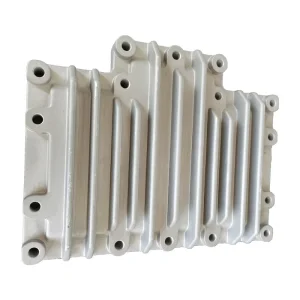
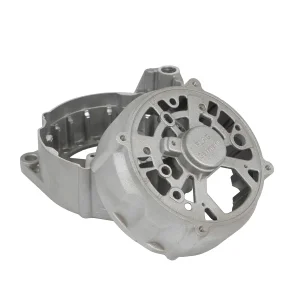
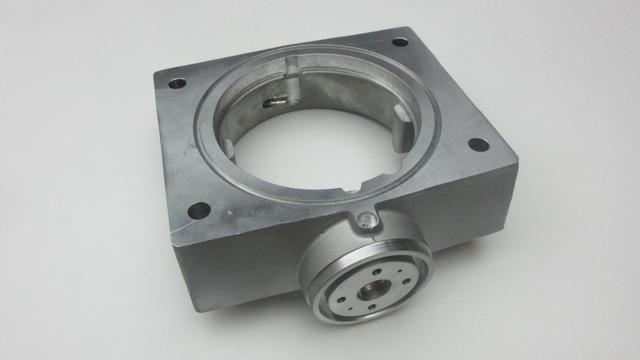
Our technical roadmap integrates Cold Chamber and Hot Chamber die casting processes, complemented by 5-axis CNC machining. This ensures that even the most complex geometries—such as thin-walled heat sinks for 0 120 489 731 Truck Alternators—are produced with tolerances within +/- 0.01mm.
Global enterprises today face unprecedented challenges in their supply chains. Beyond just price, procurement officers are focused on Risk Mitigation, Compliance, and Quality Assurance. As an ISO9000 certified partner, Ningbo Singer Cast addresses these needs through a robust E-E-A-T framework.
We adhere to REACH, RoHS, and ASTM standards, ensuring that every component shipped to North America, Europe, or Asia meets local regulatory environmental and safety requirements.
Our team provides 24/7 engineering support across time zones, offering DFM (Design for Manufacturing) feedback to reduce costs before production starts.
Located in Ningbo, one of the world's largest port cities, we offer logistical advantages that ensure timely delivery and reduced shipping lead times.
Looking toward the 2030 horizon, the convergence of AI, IoT, and advanced materials will redefine manufacturing. Ningbo Singer Cast is currently developing "Smart Cast" technologies where embedded sensors in the die provide real-time data to our ERP systems, allowing for predictive maintenance and zero-defect production.
Aluminum is chosen for its lightweight properties and high-temperature resistance, whereas Zinc is preferred for its superior precision, thinner wall capabilities, and ease of secondary finishing (plating).
We utilize advanced vacuum-assisted die casting and real-time shot monitoring systems. By controlling the velocity and pressure during the injection phase, we minimize gas entrapment and ensure a dense internal structure.
Yes. Our "Flexible Manufacturing Cell" is designed to handle both specialized low-volume production (using rapid tooling) and high-volume OEM contracts utilizing our automated 900-ton casting lines.
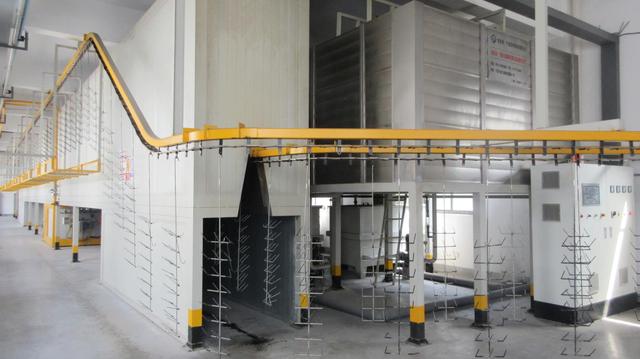
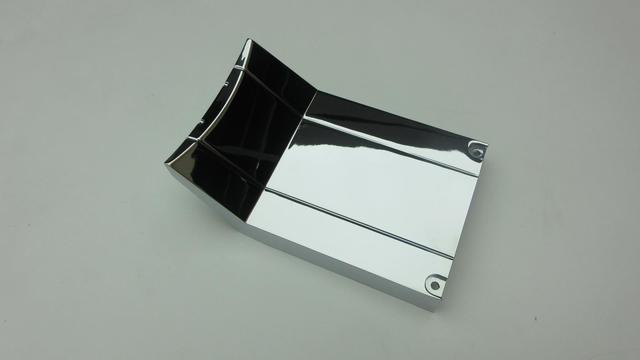
We provide a full suite of finishes including powder coating, anodizing, electroplating (Zinc, Nickel, Chrome), and mechanical deburring to meet aesthetic and functional requirements.
Contact Ningbo Singer Cast Co., Ltd. today for a consultation on your next OEM project. Our engineers are ready to assist with material selection, cost-optimization, and rapid prototyping.
 Singer Cast