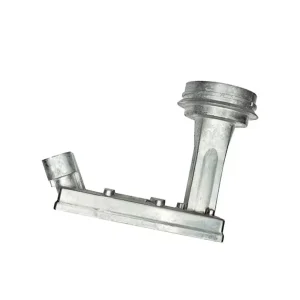
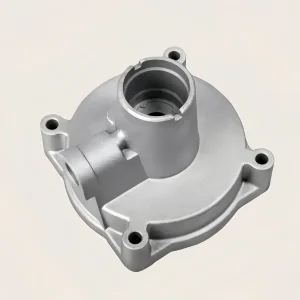
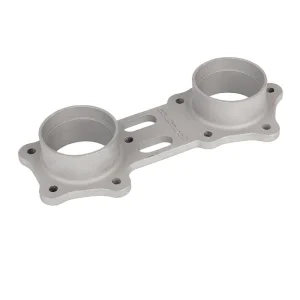
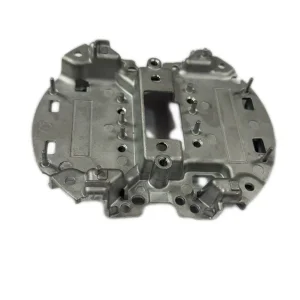
High-performance zinc, magnesium, and aluminum custom castings engineered to exceed stringent ISO tolerances for structural load and mechanical reliability.
Pioneering precision metal die casting and sheet metal fabrication structures designed to meet the demands of global tier-one supply chains.
Ningbo Singer Cast Co., Ltd. stands as a premier manufacturing destination for advanced die casting and precision metal engineering. Over decades of dedicated research, manufacturing refinement, and investment in capital equipment, we have built a reputation for solving complex mechanical, structural, and aesthetic challenges. We integrate initial design optimization (DFM) with casting, post-machining, sheet metal operations, surface coating, and mechanical assembly to deliver ready-to-use solutions to our international client base.
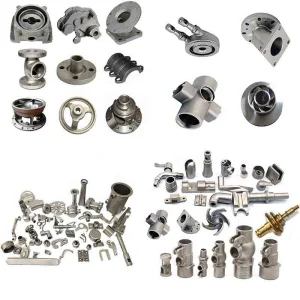
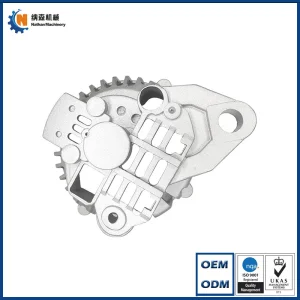
Our operation is built on deep engineering expertise. We leverage high-pressure die casting (HPDC), gravity casting, lost wax investment casting, and precision multi-axis CNC machining centers to process a wide range of materials. These materials include lightweight aluminum alloys, structural zinc compounds, and advanced magnesium systems. Operating under strict control systems, our facilities produce custom parts that find critical roles in automotive drivetrains, aerospace hardware, underground mining equipment, electric robot mechanisms, and high-frequency communication frames.
We work as an engineering partner rather than a simple build-to-print vendor. By analyzing structural blueprints and environmental challenges early, our design team recommends raw material adjustments and geometry optimizations. This helps reduce porosity, control shrinkage, and eliminate unnecessary secondary operations, leading to faster production cycles and lower total cost of ownership (TCO) for global procurement teams.
Why sourcing sheet metal and die casting services from Chinese coastal clusters delivers unique quality, cost, and logistics advantages.
Ningbo stands as a global center for tooling fabrication and metallurgy. This geographic concentration gives us immediate access to raw ingot suppliers, specialized surface finishers (including physical vapor deposition, hard anodizing, and passivation), and express logistics hubs. This integration cuts raw material transit times and keeps supply chains stable.
We deploy high-tonnage die casting machines (ranging from 280T to 2500T clamp force) integrated with robotic extraction arms and automated ladles. In our sheet metal and CNC lines, multi-axis automated fiber lasers and CNC press brakes ensure that complex bends and deep-drawn structures remain highly repeatable, minimizing human error.
By blending custom tool engineering with in-house validation, we control costs throughout the production lifecycle. Tooling cost amortization in China remains highly competitive, making low-to-medium volume production runs for custom machinery and specialized brackets economically viable compared to Western alternatives.
As structural components become more complex, modern metal fabrication is changing. We adapt our operations to support these shifts.
In electric vehicles (EVs) and consumer electronics, reducing weight is key to energy efficiency. This trend is driving demand away from steel structures and toward high-strength, thin-walled aluminum and magnesium castings. Magnesium, in particular, offers excellent damping and EMI shielding properties. These features make it highly suitable for structural frames in drones, motorcycle engine assemblies, and camera mounting hardware.
More industrial designs now combine sheet metal panels with heavy die cast structural nodes. For example, modern robotics bases use cast mounting blocks welded to bent sheet-steel chassis. We support this by maintaining dedicated assembly bays, allowing us to deliver multi-part structures directly to our customers' production lines.
Global supply chains increasingly require documented environmental standards. We address this by optimizing energy use during raw material melting, using recycled secondary alloys wherever structural requirements permit, and deploying green chemistry solutions in our wash and plating lines.
How we manage risk, verify dimensions, and maintain reliable deliveries for complex international supply chains.
For procurement officers in automotive, energy, and aerospace industries, sourcing custom components involves managing quality, delivery, and compliance risks. We mitigate these risks with a structured approach to quality assurance:
From deep mining applications to advanced robotics, our components operate in demanding and high-stress environments.
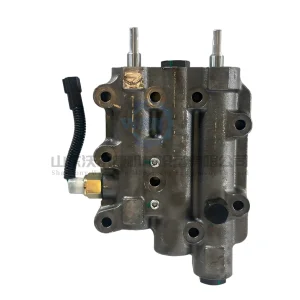
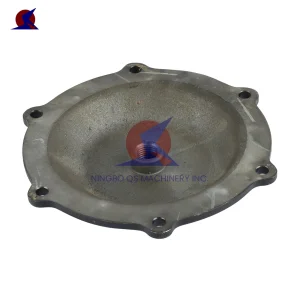
We supply cast valve bodies and transmission elements engineered to withstand high working pressures and rough environments in mining operations. Our underground loader gearbox valves are machined to tight tolerances to prevent hydraulic pressure drops under load.
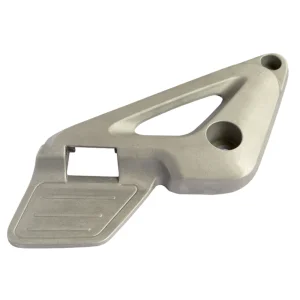
We produce engine brackets, suspension supports, side stands, and battery frame structures. By optimizing draft angles and wall thicknesses, we supply lightweight components that withstand sustained vibration and road stress.
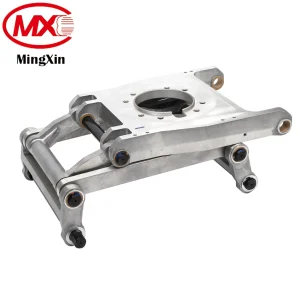
Modern robotics bases require high rigidity to minimize vibration during movement. Our cast aluminum robot bases provide a stable foundation for automated lifting arms, AGVs, and assembly systems.
Answers to common technical questions regarding tolerances, design for manufacturing, tooling lifespans, and materials.
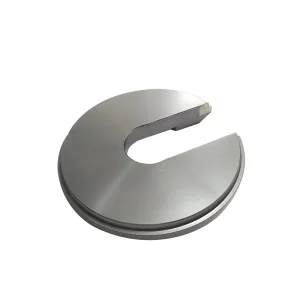
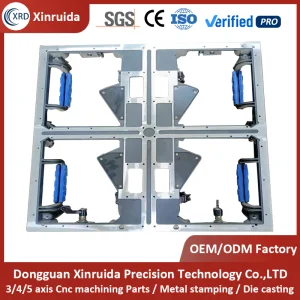
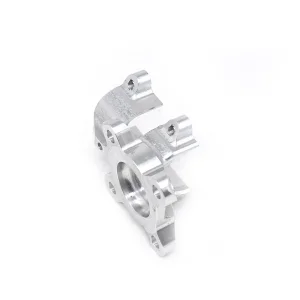
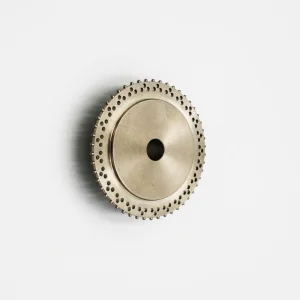
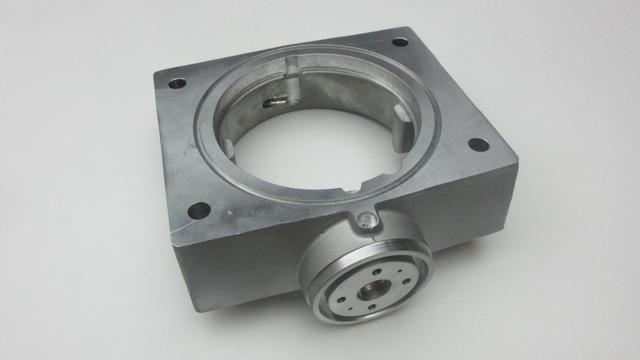
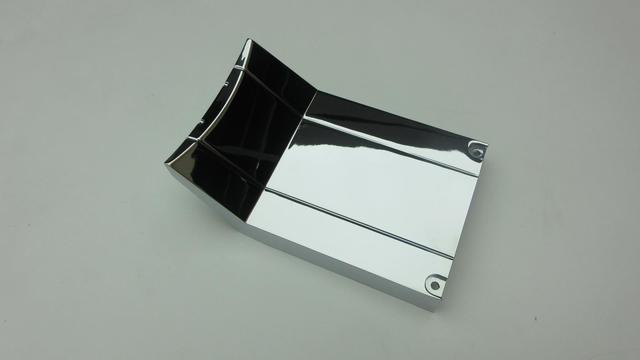
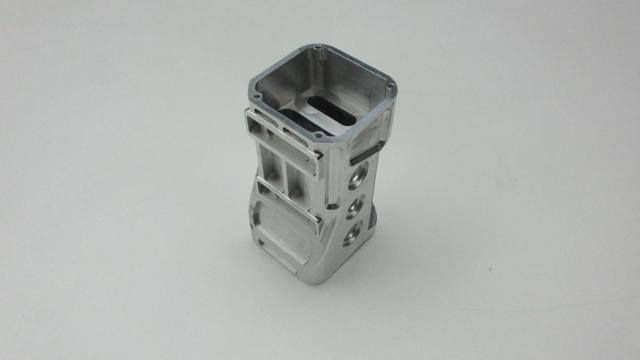
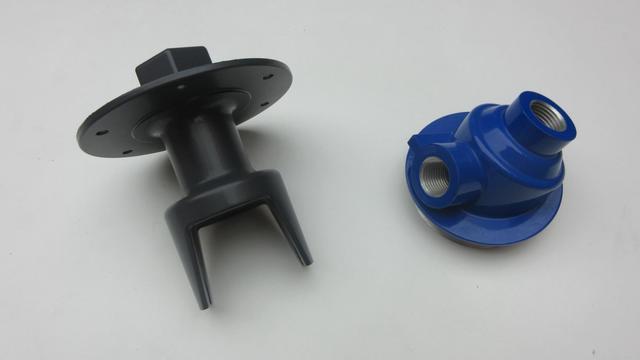
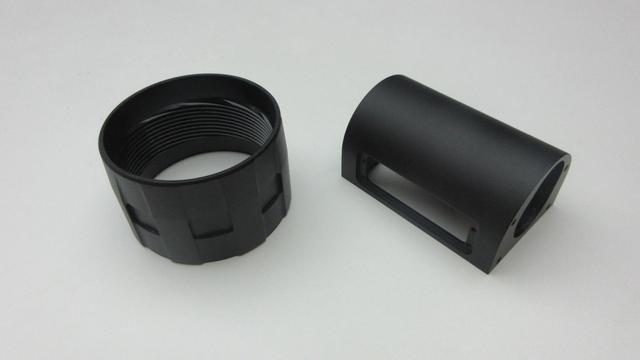
High-precision CNC machined castings, complex assembly bases, and surface-treated metal parts built to withstand long-term operational wear.
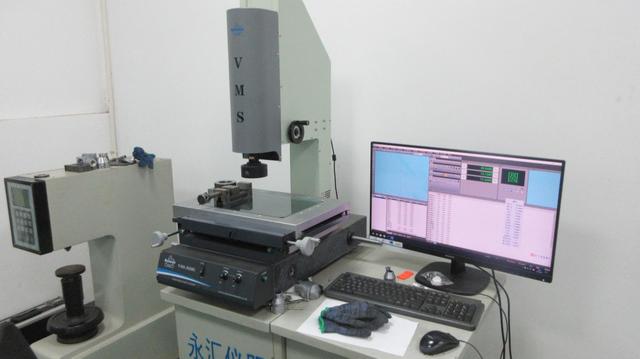
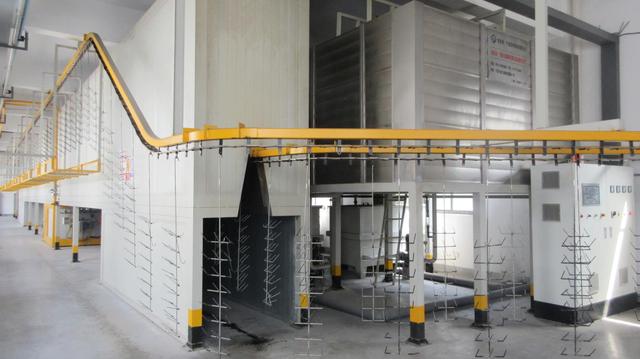
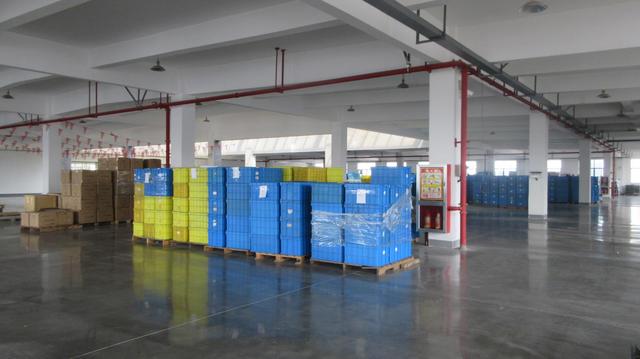
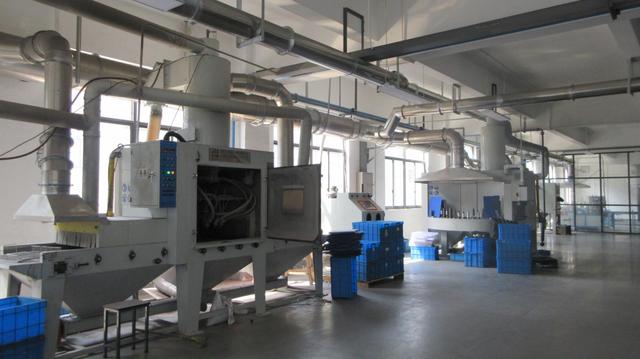
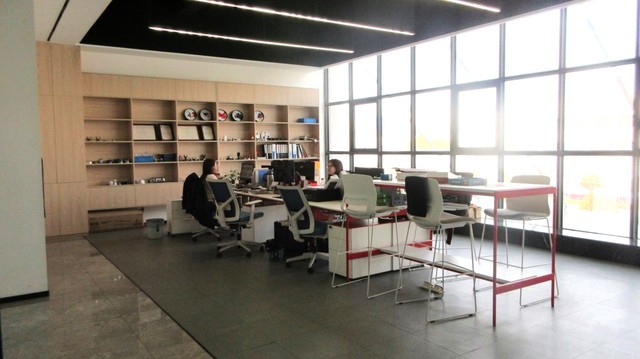
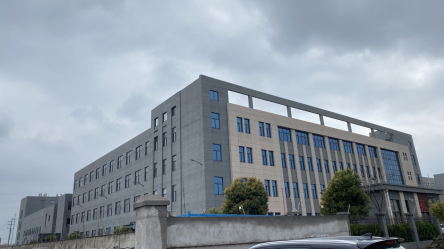
A look inside our manufacturing facility, showing our casting stations, machining areas, and quality control equipment.
 Singer Cast