Japan has long been recognized as a global leader in high-precision manufacturing, a concept deeply rooted in the philosophy of "Monozukuri" (the art of making things). Within this ecosystem, Zinc Die Casting plays a pivotal role. Known for its exceptional dimensional stability, thin-wall capability, and superior finishing characteristics, zinc alloys are the preferred choice for Japan's most demanding sectors.
In industrial hubs like Nagoya, Shizuoka, and Kanagawa, zinc die casting manufacturers are integrating AI-driven quality control and IoT-enabled casting machines to meet the zero-defect requirements of the Tier-1 automotive supply chain. The demand for Zamak 3, Zamak 5, and ZA alloys is surging as Japanese engineers seek materials that offer a balance between high impact strength and the ability to cast complex geometries that other metals cannot achieve.
Manufacturers in Japan are transitioning to "Smart Foundries." By utilizing AI sensors on hot-chamber die casting machines, real-time data on temperature, pressure, and cycle times are analyzed to predict maintenance needs and eliminate scrap. This tech-heavy approach ensures that every zinc part, from a small sensor housing to a large decorative bracket, meets rigorous standards.
With Japan's commitment to carbon neutrality by 2050, the zinc die casting industry is focusing on energy-efficient melting processes and the use of secondary (recycled) zinc. Zinc's low melting point compared to aluminum means significantly lower energy consumption, making it a "green" choice for environmentally conscious Japanese OEMs.
The rise of Electric Vehicles (EVs) in Japan has created a new niche for zinc. Its electromagnetic shielding (EMI/RFI) properties are essential for housing sensitive electronic control units (ECUs). High-conductivity zinc alloys are now being developed to assist in heat dissipation for compact power modules used in Tokyo's latest tech innovations.
Ningbo Singer Cast Co., Ltd. is a professional die casting manufacturer specializing in aluminum, zinc, and precision metal components for a wide range of industrial applications. With years of experience in the metal manufacturing industry, the company has built a strong reputation for delivering high-quality, cost-effective solutions to global customers, including those in the highly competitive Japanese market.
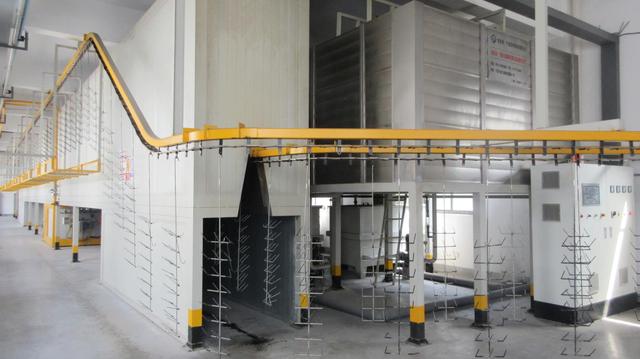
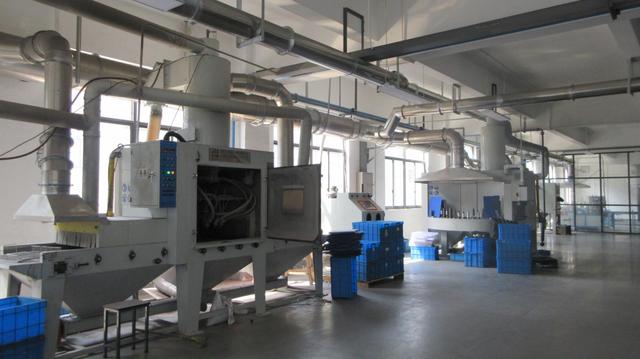
Singer Cast provides a comprehensive range of services, including high-pressure die casting, mold design and development, CNC machining, surface finishing, and assembly. Our products are widely used in industries such as automotive, electronics, lighting, machinery, and consumer goods, meeting diverse requirements for durability, precision, and performance.
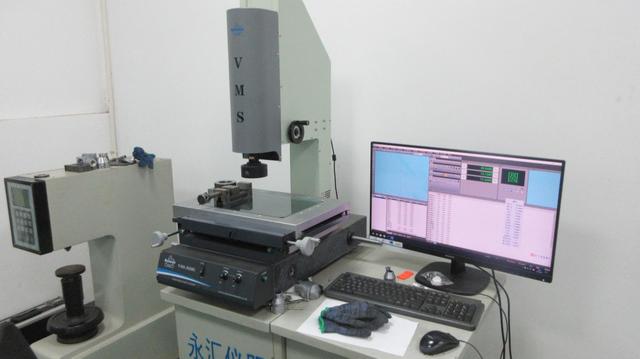
Equipped with advanced production facilities and supported by a skilled engineering team, Ningbo Singer Cast focuses on continuous innovation and process optimization. We ensure strict quality control at every stage, complying with international standards and specific Japanese Industrial Standards (JIS).
In the automotive heartlands like Aichi Prefecture, zinc die casting is used for door lock mechanisms, fuel system components, and interior trim. The ability to plate zinc with chrome or satin finishes makes it ideal for the luxury aesthetics demanded by brands like Lexus and Infiniti.
Akihabara’s tech giants require miniature, high-strength components for cameras, laptops, and smartphones. Zinc’s fluidity allows for wall thicknesses as thin as 0.4mm, providing structural integrity without adding significant bulk.
As Japanese homes become smarter, the demand for zinc-cast smart lock bodies, sensor housings, and connector interfaces has grown. Zinc provides a robust, "heavy" feel that consumers associate with quality and security.
When comparing materials for high-precision manufacturing in Japan, Zinc Die Casting often outperforms aluminum or plastic for several critical reasons. First, the Hot Chamber Die Casting process used for zinc is significantly faster than the cold chamber process used for aluminum. This leads to higher production rates and lower per-unit costs for high-volume orders common in the Japanese consumer market.
Secondly, zinc alloys allow for Extraordinary Tool Life. A typical zinc casting mold can last for over 1 million cycles, whereas an aluminum mold might only last for 100,000 cycles. For Japanese manufacturers looking for long-term stability in their supply chain, this translates to massive savings in tooling costs and consistent part quality over years of production.
Surface finishing is another area where zinc shines. Whether you require chrome plating, PVD coating, or specialized Japanese lacquering, zinc provides an incredibly smooth "as-cast" surface that requires minimal secondary polishing. This is essential for the "premium" feel required in the Japanese domestic market.
Furthermore, zinc’s high impact strength and ductility mean that parts can be designed with thinner walls, reducing weight without sacrificing structural integrity—a key requirement for the "Lightweighting" trend in Japan’s aerospace and drone industries.
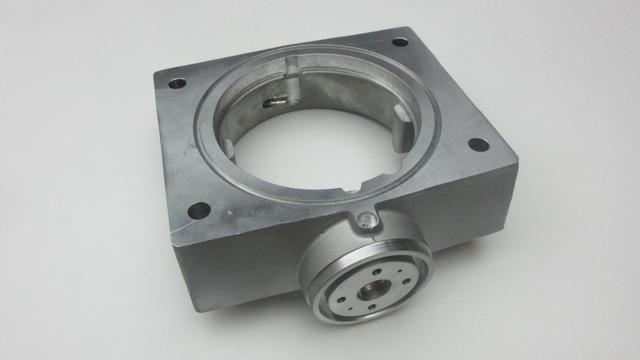
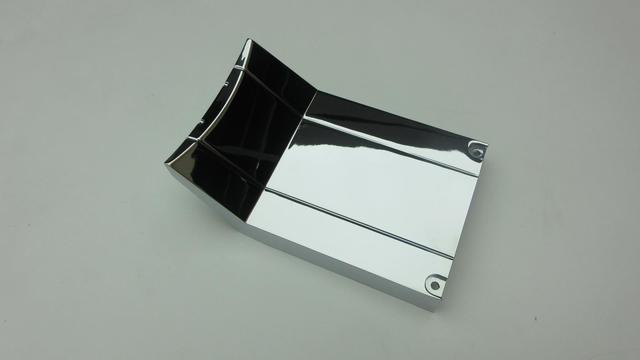
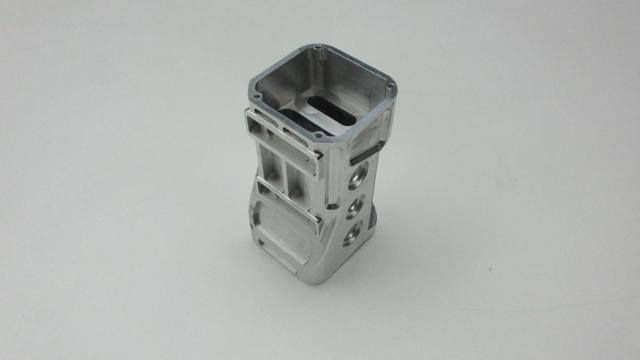
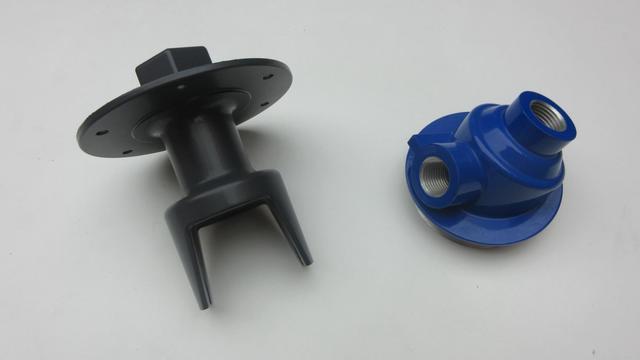
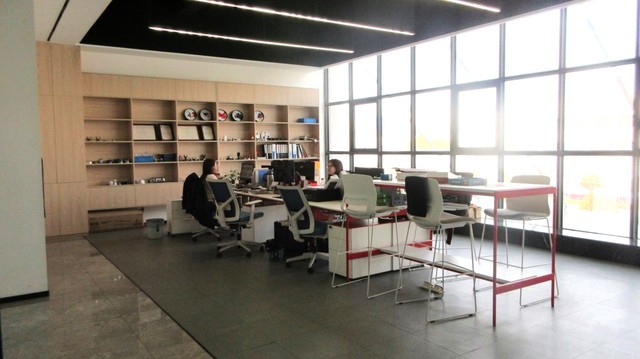
Whether you are based in Tokyo, Osaka, or anywhere globally, our team is ready to support your engineering needs with the precision of Japanese standards and the efficiency of global logistics. Dedicated to customer satisfaction, Singer Cast offers flexible OEM/ODM services and efficient project management.
Contact Our Engineering Team Today Singer Cast