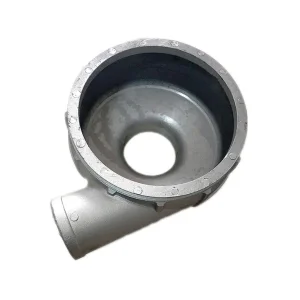
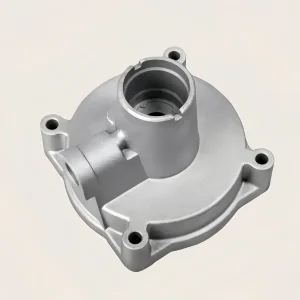
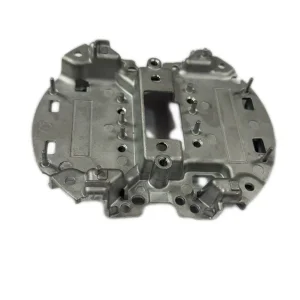
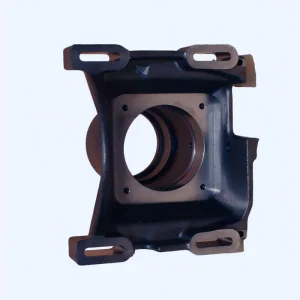
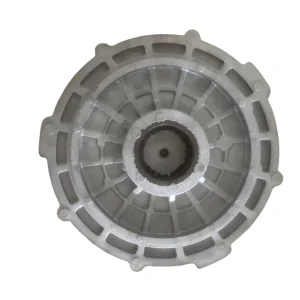
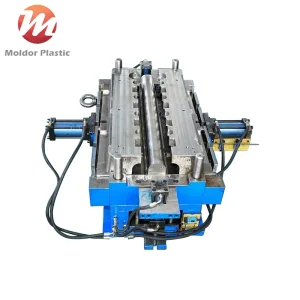
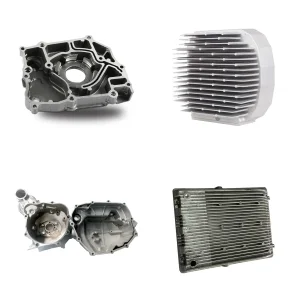
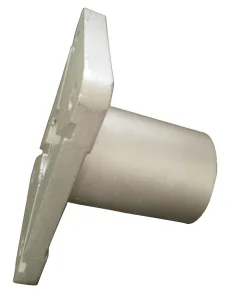
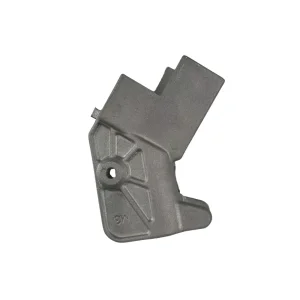
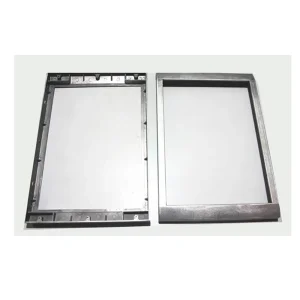
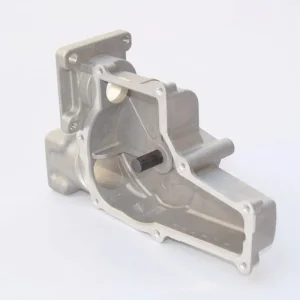
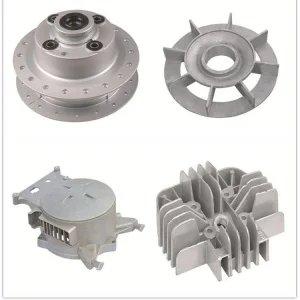
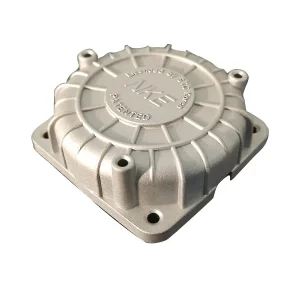
Explore our core high-pressure die cast and CNC machined aluminum and zinc alloy solutions engineered to rigorous international standards.
Rigorous, document-backed inspection cycles spanning initial metallographic validation to final CMM alignment checks.
From multi-cavity hot-chamber mold structures to precision-engineered 5-axis CNC secondary finishing systems.
Providing structural regulatory alignment for import procedures throughout Europe, North America, and ASEAN markets.
Ningbo Singer Cast Co., Ltd. is a professional die casting manufacturer specializing in aluminum, zinc, and precision metal components for a wide range of industrial applications. With years of experience in the metal manufacturing industry, the company has built a strong reputation for delivering high-quality, cost-effective solutions to global customers.
Singer Cast provides a comprehensive range of services, including high-pressure die casting, mold design and development, CNC machining, surface finishing, and assembly. Its products are widely used in industries such as automotive, electronics, lighting, machinery, and consumer goods, meeting diverse requirements for durability, precision, and performance.
Equipped with advanced production facilities and supported by a skilled engineering team, Ningbo Singer Cast focuses on continuous innovation and process optimization. The company ensures strict quality control at every stage of production, from raw material selection to final inspection, complying with international standards and customer specifications.
Dedicated to customer satisfaction, Singer Cast offers flexible OEM/ODM services and efficient project management to support customized manufacturing needs. With a strong global supply capability, the company is committed to delivering reliable, high-precision die casting components that help clients enhance product competitiveness and achieve long-term success.
As supply chain decentralization gains momentum, strategic procurement departments require reliable manufacturing partners in China to maintain structural quality, optimize lead times, and mitigate transactional risks.
The global metal fabrication landscape has shifted from localized transactional purchasing to strategic, cross-border manufacturing integrations. Modern production assemblies in automotive, aerospace, telecom, and renewable energy sectors demand complex geometric profiles with tight structural properties. The shift towards lightweight materials, such as lightweight magnesium-aluminum alloys, requires high-pressure cold chamber processes configured to prevent internal micro-fissures and gas pockets.
To succeed under current geopolitical tariffs and supply disruptions, global enterprises depend on high-volume production centers in China that offer a combination of design iteration, automated machining, and predictable pricing structures. An efficient custom exporter must act as an engineering partner, conducting Moldflow analyses and Design for Manufacturing (DFM) reviews to identify and address tooling challenges before physical production begins.
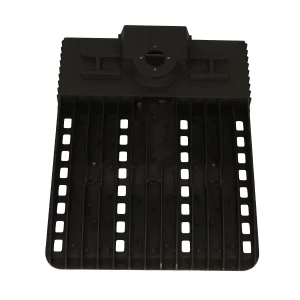
LED components require low thermal resistance. Standard ADC12 and high-purity aluminum alloys are die-cast with micro-controlled thermal channels, preventing early degradation of multi-million lumen industrial streetlights.
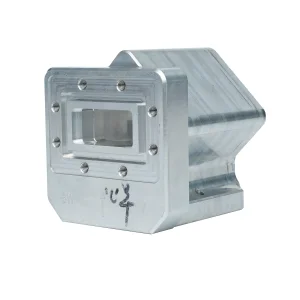
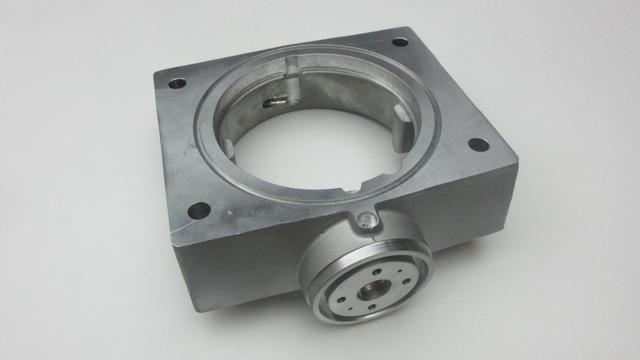
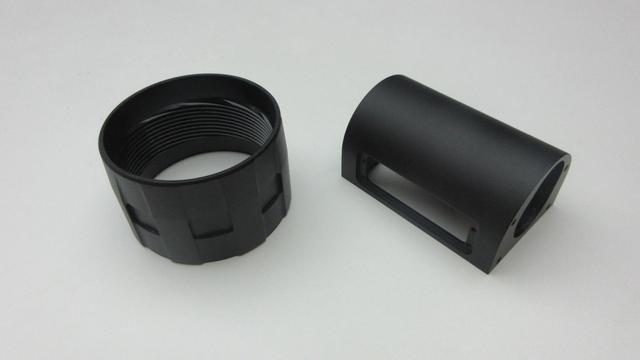
Thermal Conductivity: 96-120 W/m·KAutomated industrial robotics arms demand high dimensional accuracy to prevent joint vibration. Our CNC machining facilities integrate multi-axis centers to deliver sub-millimeter tolerances on zinc handles and cast frames.
Tolerances Maintained: ±0.005mmOptimizing manufacturing parameters across the product development lifecycle.
Choosing between High-Pressure Die Casting (HPDC) and Gravity Casting depends on production volume and mechanical design. For thin-walled enclosures (e.g., LED lighting housings or drone frames), HPDC provides the velocity needed to fill mold cavities before solidification. Conversely, gravity and low-pressure casting are better suited for thick-walled automotive engine modules where porosity minimization is critical. Ningbo Singer Cast balances these techniques based on simulated stress requirements.
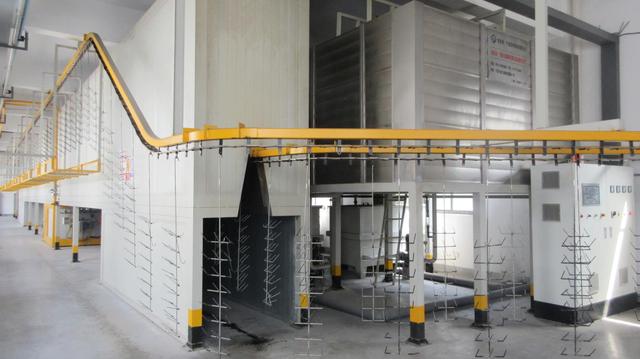
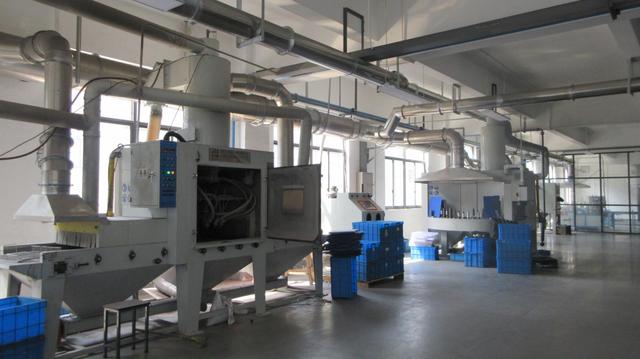
Cast components operate in diverse environments. Untreated metal surfaces are vulnerable to chemical oxidation, high humidity, and mechanical wear. Singer Cast offers in-house surface preparation, including deburring, sandblasting, chemical chromating, cathodic electrodeposition (KTL), and powder coating, ensuring components pass salt-spray tests up to 1000 hours.
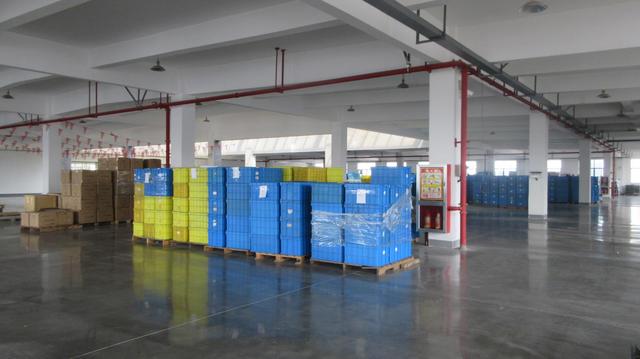
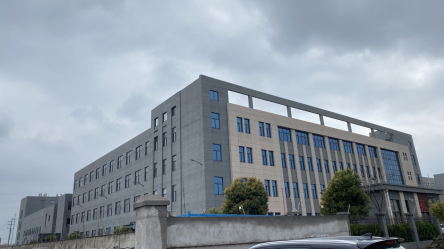
A visual tour of our production facilities in Ningbo, featuring heavy-tonnage casting machinery, high-speed CNC lines, and precision testing equipment.
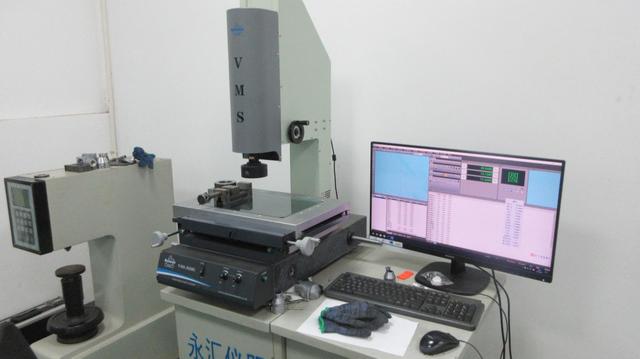
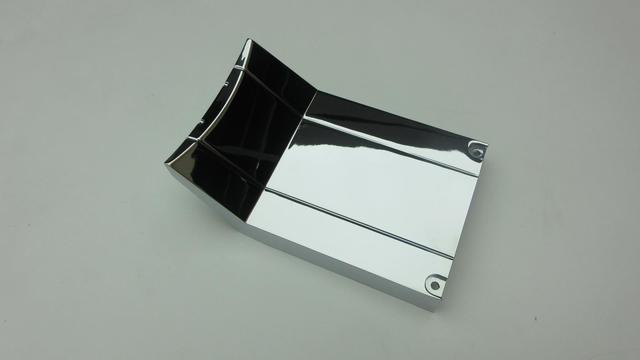
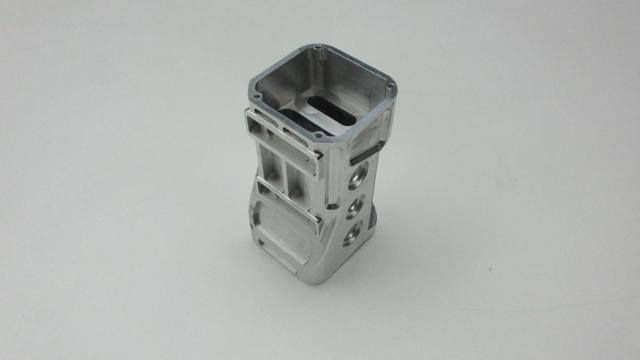
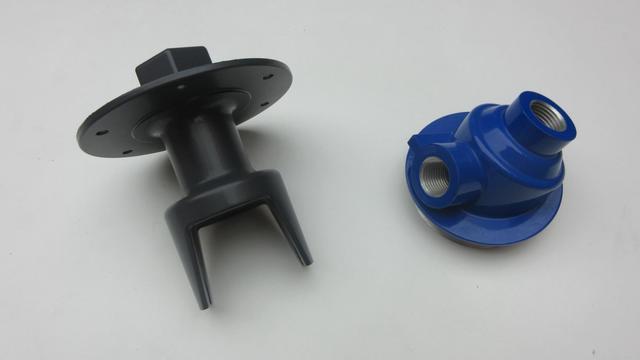
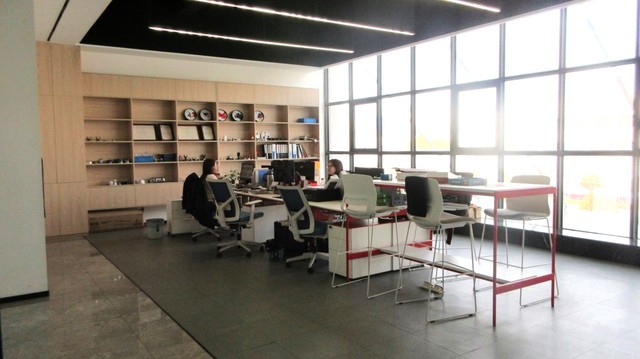
A reliable exporter must offer services beyond the foundry floor. In global supply chains, international trade compliance is crucial. Ningbo Singer Cast establishes structural frameworks to streamline custom clearances in Destination Ports, coordinating with custom brokers to verify HS Code compliance (such as HS 761699 for aluminum assemblies and HS 790700 for zinc items) and manage tariff calculations.
Our quality assurance includes documentation such as PPAP (Production Part Approval Process) Level 3 packets, Material Test Certificates (conforming to EN 10204 3.1), and comprehensive dimensional inspection reports. These practices protect original equipment manufacturers (OEMs) from product recalls and production downtime, while ensuring compliance with RoHS and REACH regulations.
Clear, engineering-focused answers to common custom fabrication sourcing questions.
Explore our full line of structural components, including hybrid plastic-metal tooling, custom furniture brackets, and certified automotive-grade cast parts.
 Singer Cast