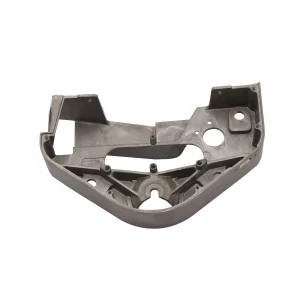
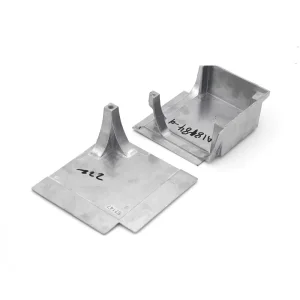
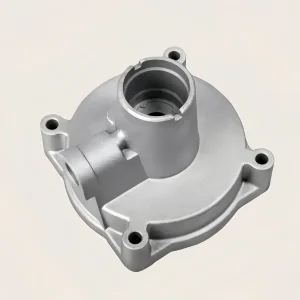
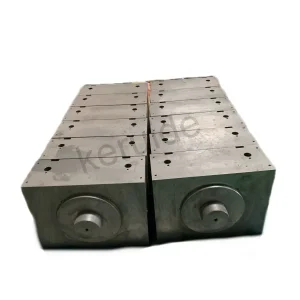
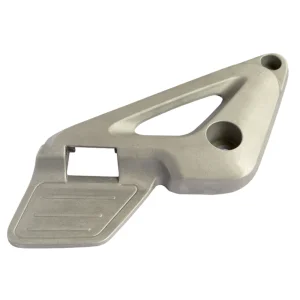
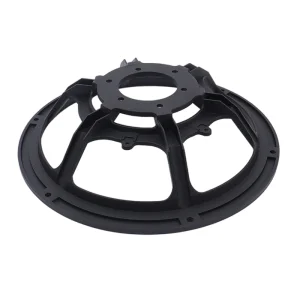
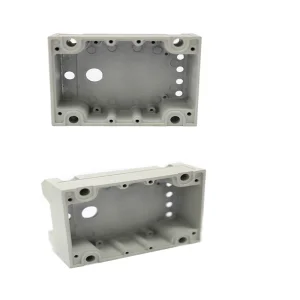
Select OEM components engineered to withstand extreme environment demands and maintain operational longevity.
In modern industrial design, thermal management is no longer a secondary consideration but a core pillar of system reliability and efficiency. As components scale down and power densities scale up, the demand for complex heat dissipation designs has accelerated exponentially. Global purchasing departments in high-reliability sectors—such as electric vehicle (EV) drivetrains, aerospace avionics, industrial automation, and hyperscale data centers—face the critical task of securing heat sinks that deliver optimized thermal conductivity, mechanical resilience, and long-term structural integrity.
When selecting a heat sink manufacturer, procurement and engineering teams look beyond unit costs. They prioritize manufacturers who offer rich material science expertise, robust design-for-manufacturability (DFM) reviews, and deep vertical supply integration. The primary challenges in heat sink procurement center on managing tooling costs, avoiding micro-porosity during casting, maintaining strict coplanarity of contact surfaces, and ensuring reliable high-volume deliveries.
From metallurgy to surface finishing, our technical process is designed to deliver superior thermal transfer and durability.
Utilizing high-grade aluminum alloys like ADC12, A380, and specialized ZL104. We analyze silicon, copper, and magnesium content to achieve the optimal balance of fluidity during casting and high thermal conductivity.
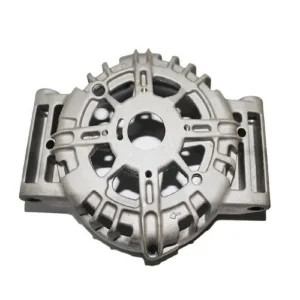
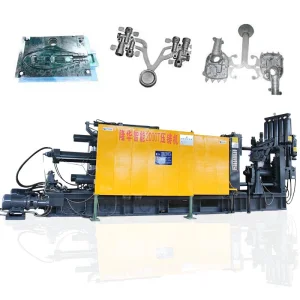
Leveraging high-pressure cold-chamber die casting machines up to 2000T. This guarantees high-density structural forms, thin-wall fins, and intricate geometries with minimal sub-surface micro-porosity.
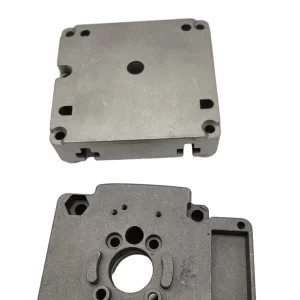
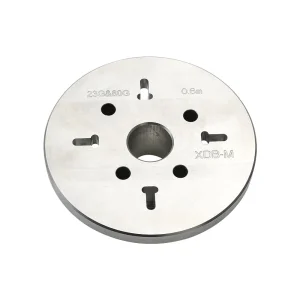
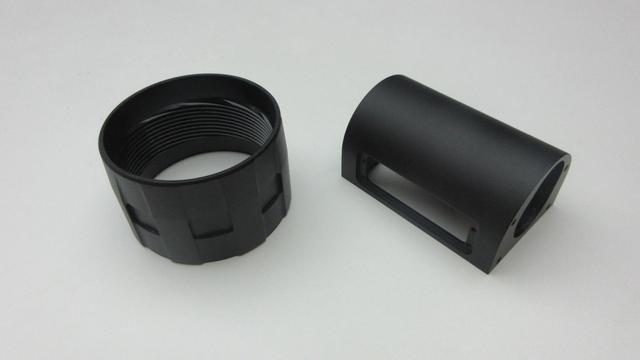
Post-cast secondary machining removes parting lines and cuts precise mounting holes. It achieves flat interface profiles down to ±0.02mm, vital for low-contact-resistance thermal interfaces.
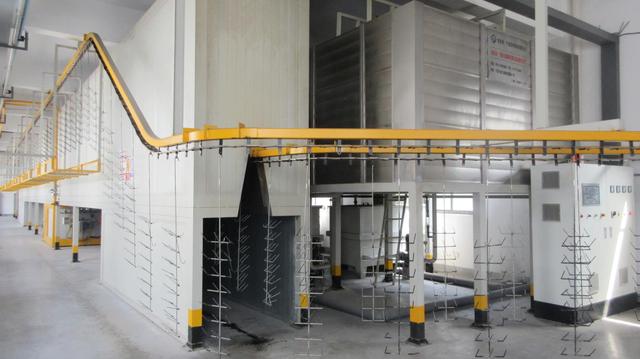
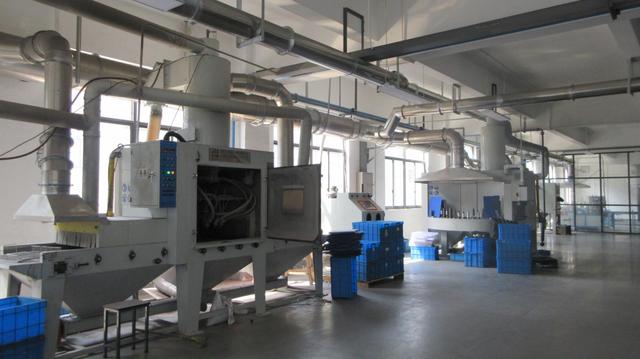
From sandblasting and precision polishing to spray painting, silk-screen printing, and electrochemical oxidation. Our surface coatings enhance radiation heat transfer and prevent chemical corrosion.
A deep dive into our operational capabilities, manufacturing footprints, and commitment to global quality standards.
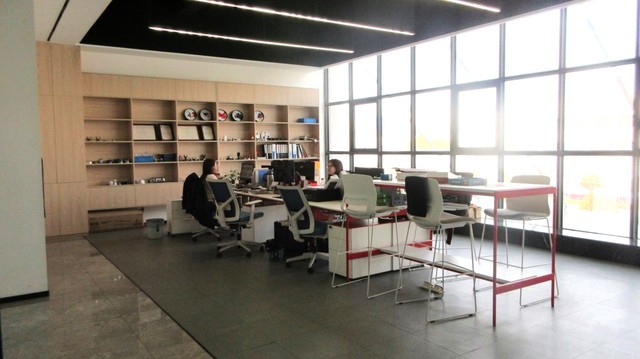
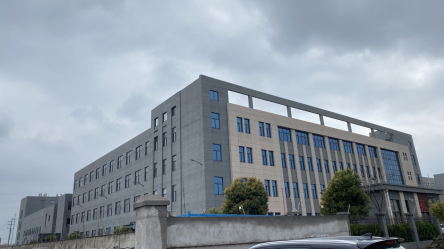
Ningbo Singer Cast Co., Ltd. is a professional die casting manufacturer specializing in aluminum, zinc, and precision metal components for a wide range of industrial applications. With years of experience in the metal manufacturing industry, the company has built a strong reputation for delivering high-quality, cost-effective solutions to global customers.
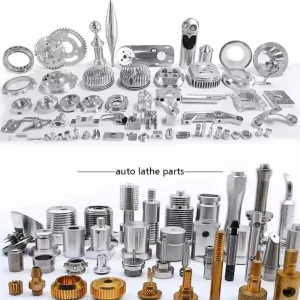
Singer Cast provides a comprehensive range of services, including high-pressure die casting, mold design and development, CNC machining, surface finishing, and assembly. Its products are widely used in industries such as automotive, electronics, lighting, machinery, and consumer goods, meeting diverse requirements for durability, precision, and performance.
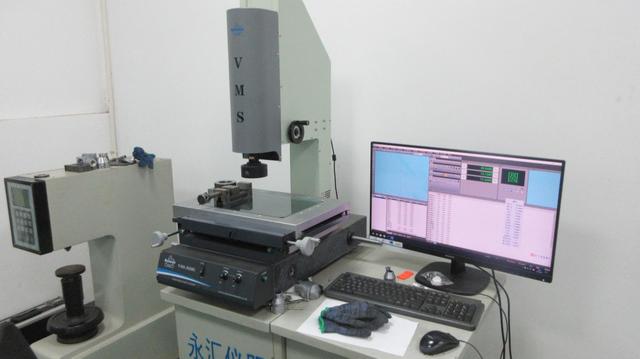
Equipped with advanced production facilities and supported by a skilled engineering team, Ningbo Singer Cast focuses on continuous innovation and process optimization. The company ensures strict quality control at every stage of production, from raw material selection to final inspection, complying with international standards and customer specifications.
Dedicated to customer satisfaction, Singer Cast offers flexible OEM/ODM services and efficient project management to support customized manufacturing needs. With a strong global supply capability, the company is committed to delivering reliable, high-precision die casting components that help clients enhance product competitiveness and achieve long-term success.
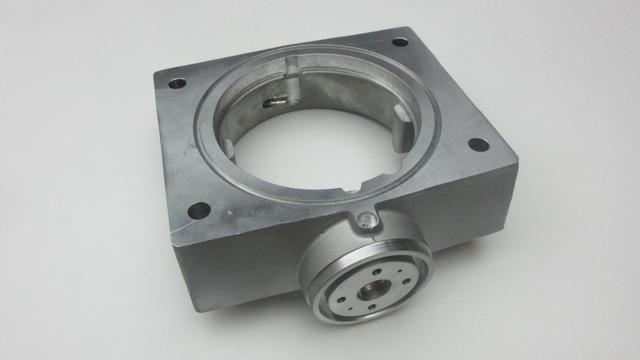
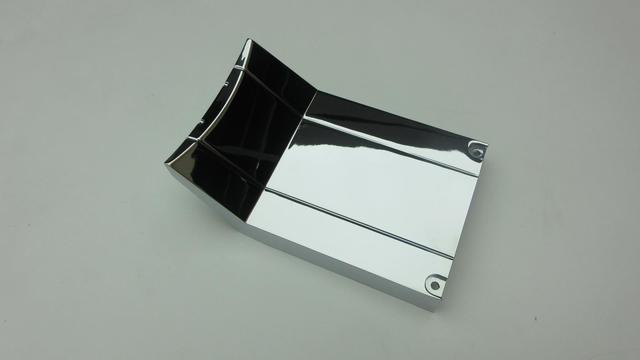
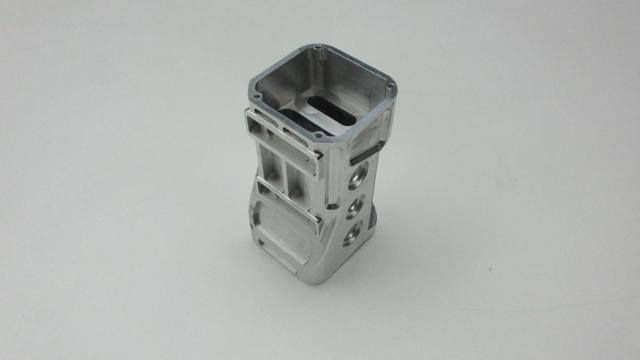
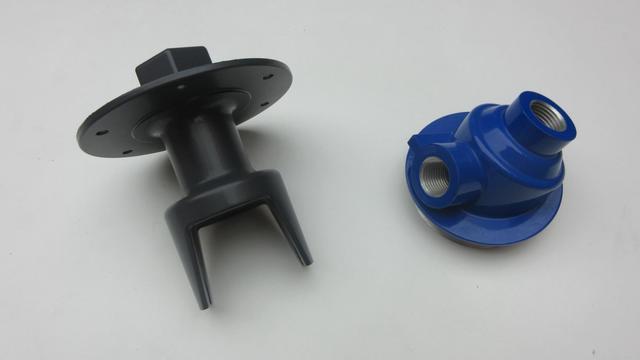
Different industrial fields require vastly different physical and thermal characteristics. By utilizing tailored structural designs, we adapt our custom OEM heat sink manufacturing to fit demanding markets:
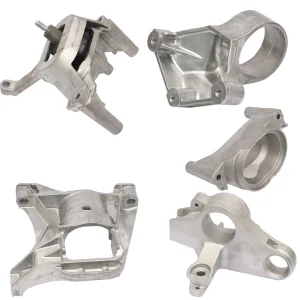
Electric vehicles demand extremely durable housings and heat sinks to cool high-voltage inverters, DC-DC converters, and battery thermal management units. These parts must survive constant road vibrations and thermal cycling. Using gravity mold castings with high-performance alloys like ZL104, we guarantee the mechanical strength and structural integrity required for modern automotive systems.
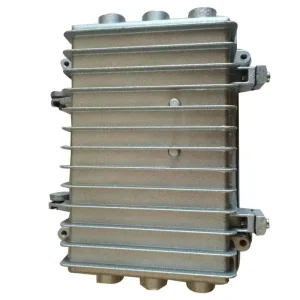
Outdoor 5G base stations operate continuously under direct sunlight and in harsh weather. These installations require passive cooling housings that are lightweight and highly resistant to atmospheric corrosion. Advanced aluminum die castings with precise fins maximize surface area, facilitating natural convection cooling without the need for fans, reducing field maintenance costs.
LED junction temperature directly dictates lifespan and luminous efficiency. Using high-conductivity aluminum alloys (ADC10/ADC12), we cast custom LED housings and bases. Integrated cooling fins are cast directly into the structural frames, bypassing high thermal contact resistance interfaces and enabling heat to disperse quickly to the surrounding air.
Medical imaging systems like MRI and CT scanners generate intense heat in confined spaces. Our medical-grade die-cast parts use biocompatible alloys, processed via post-cast CNC milling and anodized finishes to meet sterilization requirements while maintaining tight thermal operating bounds.
Operating as a key exporter to North America, Europe, and Southeast Asia, Ningbo Singer Cast Co., Ltd. maintains a robust supply network compliant with global trade standards. We understand that custom OEM parts are critical nodes in your assembly lines. A delay in custom castings can halt entire manufacturing operations.
To eliminate supply chain risks, we offer comprehensive trace documentation, material origin certification, and process control reporting. All production processes align with the following standards:
Get answers to critical technical and commercial questions about custom heat sink development and manufacturing processes.
From light fixtures to automotive housings, we supply certified precision metal parts worldwide.
 Singer Cast