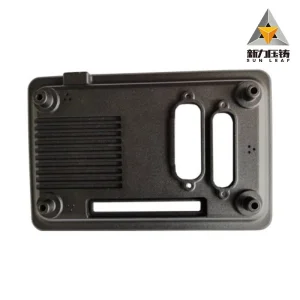
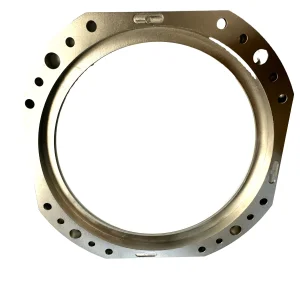
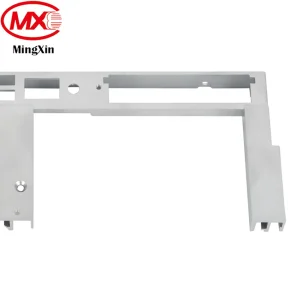
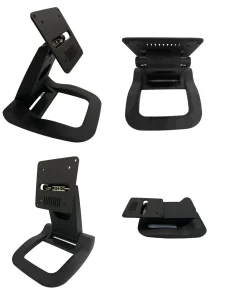
Precision-engineered aluminum and zinc alloy cast and machined components optimized for severe operating environments.
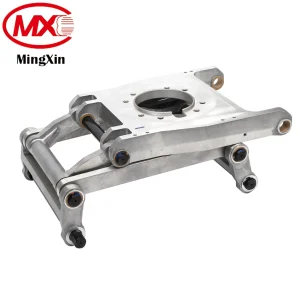
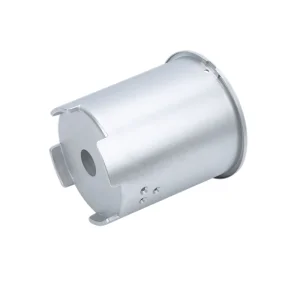
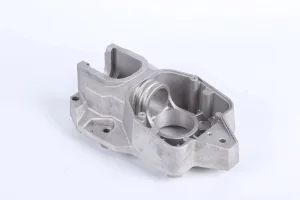
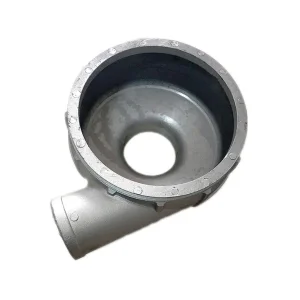
An Industrial Intelligence Report on Mechanical Subsystems, Metallurgy, and High-Tolerance Micro-Engineering.
The modern industrial supply chain is experiencing a structural migration towards high-integrity, lightweight, and mathematically optimized metal components. As global manufacturing transitions into Industry 4.0 paradigms, the demand for precision-machined elements and die-cast sub-assemblies has accelerated. Automotive electrification, robotic automation, advanced optoelectronics, and micro-medical devices demand geometrical accuracies that push the absolute physical limits of material science and tool-path engineering.
"Information Gain Focus: In an era of volatile supply networks, sourcing success is no longer governed merely by unit cost. True operational leverage is captured at the intersection of metallurgical integrity (minimizing structural porosity) and post-cast ultra-precision CNC finishing."
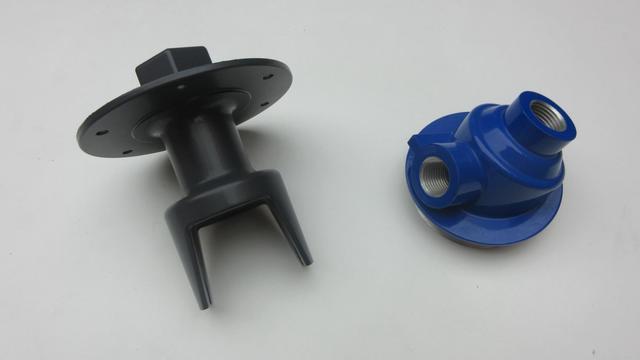
Machined components sit at the functional core of moving systems. Whether it is an ADC12 high-pressure oil pump housing managing volatile engine thermal dynamics, a 316L stainless steel vacuum pipeline component designed for zero-contamination semiconductor chambers, or a structurally rigid aluminum robot base (R004c) supporting high-load dynamic actuators, these parts are subjected to cyclic stress, corrosion, and extreme temperature variation. Standard manufacturing methods often introduce micro-porosity and structural grain alignment issues. Leading factories counteract this through precise vacuum-assisted casting and automated CNC toolpaths, ensuring isotropic mechanical performance across the entire component geometry.
Operational metrics validating our global tier-1 supply capabilities and compliance standards.
Decoupling the logistics, supply integration, and technological automation of Ningbo's premier manufacturing ecosystem.
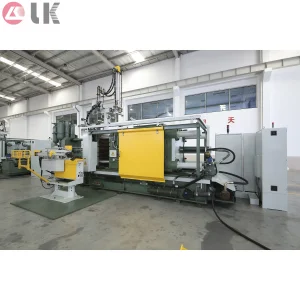
By housing tool-and-die mold development in the same physical facility as the 700-ton cold chamber die casting lines, development iterations are shortened from months to weeks.
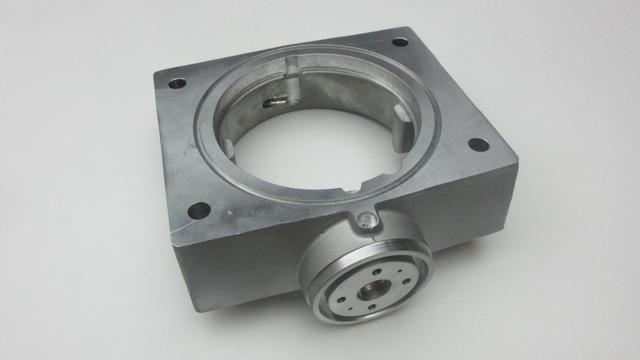
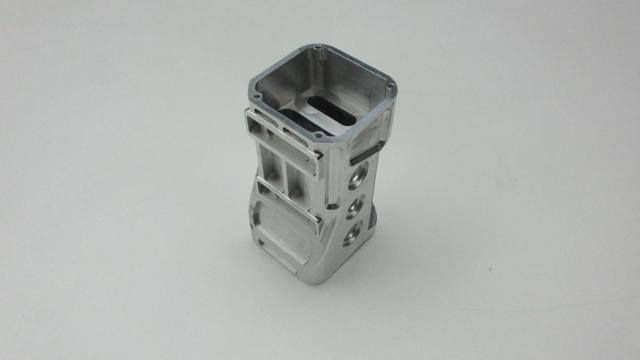
Combining primary die casting with secondary multi-axis CNC machining centers eliminates structural deviation, ensuring concentricity and thread precision down to the micron level.
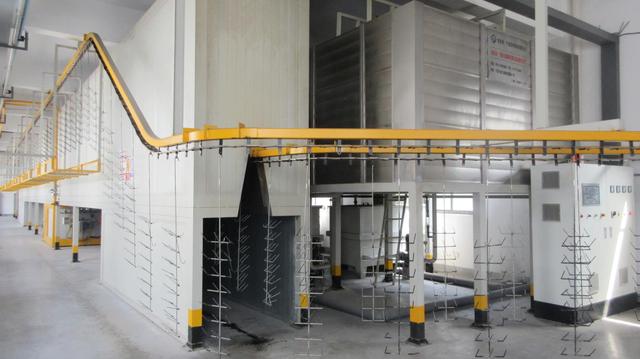
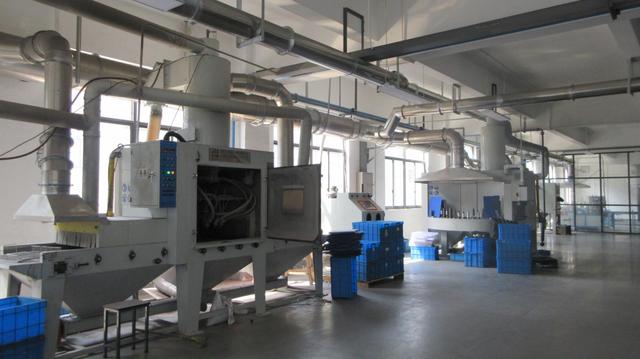
Utilizing robotic grinding arms and plasma surface processing prevents human error during manual finishing, guaranteeing uniformity for powder coatings and anodization.
As a leading manufacturer in the industrial hub of Ningbo, Ningbo Singer Cast Co., Ltd. epitomizes the structural advantages of Chinese precision manufacturing. The company is a professional die casting manufacturer specializing in aluminum, zinc, and precision metal components for a wide range of industrial applications. With years of experience in the metal manufacturing industry, the company has built a strong reputation for delivering high-quality, cost-effective solutions to global customers.
The efficiency of Ningbo Singer Cast is not just about labor arbitrage; it is an optimized ecosystem. The factory provides a comprehensive range of services, including high-pressure die casting, mold design and development, CNC machining, surface finishing, and assembly. Its products are widely used in industries such as automotive, electronics, lighting, machinery, and consumer goods, meeting diverse requirements for durability, precision, and performance.
Equipped with advanced production facilities and supported by a skilled engineering team, Ningbo Singer Cast focuses on continuous innovation and process optimization. The company ensures strict quality control at every stage of production, from raw material selection to final inspection, complying with international standards and customer specifications. Dedicated to customer satisfaction, Singer Cast offers flexible OEM/ODM services and efficient project management to support customized manufacturing needs. With a strong global supply capability, the company is committed to delivering reliable, high-precision die casting components that help clients enhance product competitiveness and achieve long-term success.
How precise metallurgy and mechanical alignment resolve real-world engineering limitations across critical market sectors.
Every industrial application comes with its own mechanical, chemical, and physical constraints. Standard off-the-shelf components frequently fail under unique conditions, demanding custom-tailored metallurgy and precise geometry.
High-vibration applications such as steering knuckles or high-pressure oil pump housings require materials that resist cyclic fatigue. Using specialized ADC12 and A380 alloys cast under high pressure minimizes gas porosity, preventing structural cracking under severe mechanical loads.
Lifting robot drive assemblies demand a high strength-to-weight ratio. A robot base assembly (such as the R004c) must maintain geometric alignment under high torsional stresses. Multi-axis CNC machining keeps mounting surfaces coplanar to prevent motor gear binding.
For industrial LED luminaires, the enclosure serves as the thermal heatsink. Precise aluminum die casting yields thin-walled cooling fins that maximize surface area, optimizing heat transfer away from sensitive drivers.
How the global metal casting and machining landscape is transforming through smart automation and sustainable metallurgy.
The machined components sector is moving beyond basic subtractive fabrication. Five-axis high-speed machining, real-time tool wear monitoring, and integrated vacuum-assisted casting are reshaping standard workflows. Simultaneously, global environmental regulations demand a shift toward circular metallurgy. Utilizing recycled aluminum alloys, reducing carbon footprints in melting furnaces, and adopting water-based powder coatings are now key steps for maintaining supply chain compliance in Europe and North America.
Another emerging trend is the integration of casting and post-processing using robotic automation. Automatic grinding machines equipped with robotic arms handle flash removal and primary finishing with consistent accuracy. This reduces human error, protects workers from metal dust exposure, and increases output. In the automotive sector, low-pressure casting and vacuum die casting are becoming standard for producing heat-treatable parts, enabling thin-walled, high-ductility structures like steering knuckles and subframes.
A rigorous checklist for evaluating metallurgy control, machining accuracy, and quality assurance protocols.
When procurement directors evaluate candidates for their top machined components manufacturer shortlist, they look beyond simple price matrices. Ensuring supply chain resilience requires a deep audit of the partner's manufacturing capabilities:
| Audit Dimension | Technical Requirement | Why It Matters (E-E-A-T Focus) |
|---|---|---|
| Metallurgical Integrity | Spectrometer verification of alloy composition (ADC12, A380, Zinc Alloy 3/5); regular density tests to measure internal porosity. | Prevents sudden component failure under heavy dynamic stress or fluid pressure. |
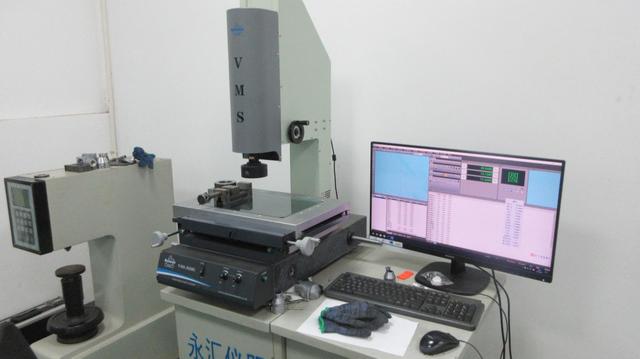
| Dimensional Precision | Coordinate Measuring Machine (CMM) reports; concentricity, runout, and thread tolerances verified down to < 0.01mm. | Guarantees smooth mechanical assembly without requiring additional machining on the production line. |
| Surface Control | Salt spray testing (up to 480 hours) for powder-coated/anodized parts; thickness checks via digital gauges. | Ensures long-term corrosion resistance in harsh outdoor or chemical environments. |
| Process Quality Systems | Active compliance with IATF 16949 (Automotive) or ISO 9001:2015, featuring full material trace records. | Minimizes field defect rates and simplifies supplier liability management. |
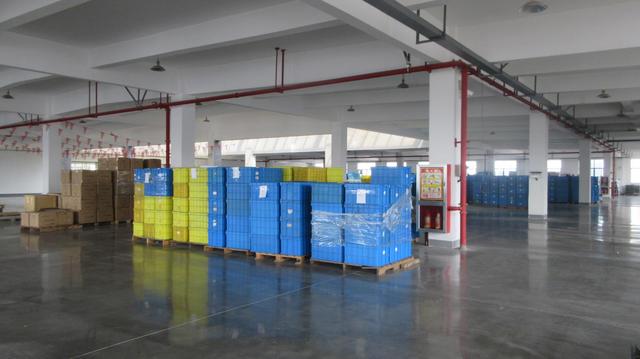
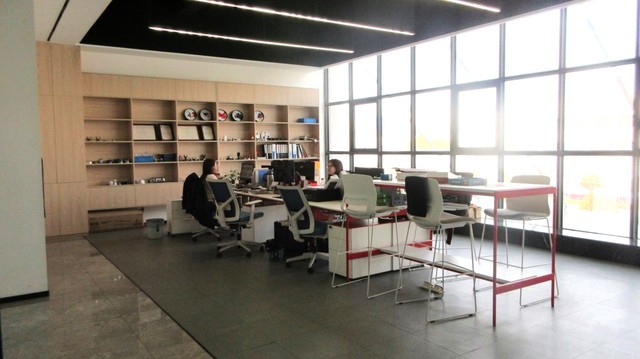
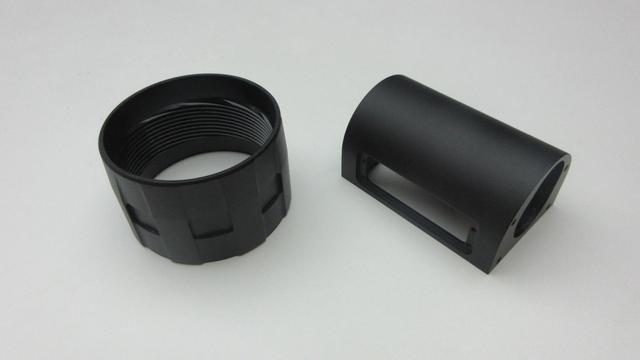
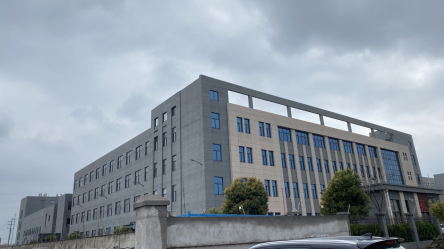
Direct view of the production lines, raw materials, mold shops, and quality assurance divisions at Ningbo Singer Cast.
Detailed technical answers for common sourcing queries, helping you select the right materials and processes.
Both are highly popular aluminum alloys used in high-pressure die casting, but they differ slightly in chemical composition. ADC12 (Japanese Industrial Standard) contains a slightly higher silicon content (9.6% to 12.0%) compared to A380 (ANSI standard, 7.5% to 9.5%). This makes ADC12 slightly easier to cast with better fluid flow, while A380 offers marginally better mechanical properties under load. In practice, they are often used interchangeably depending on the target market's standards.
We use vacuum-assisted die casting, which removes air from the mold cavity before injecting molten metal. We also use real-time monitoring of shot speeds and pressures, and run regular X-ray inspection sweeps on structural components like gearboxes and steering knuckles to identify and resolve internal voids before parts leave the factory.
Our standard machining processes achieve tolerances within +/-0.02 mm. For critical dimensional features, such as bearings or high-tolerance seals, our precision multi-axis CNC centers can hit tolerances down to +/-0.005 mm, verified via coordinate measuring machine (CMM) systems.
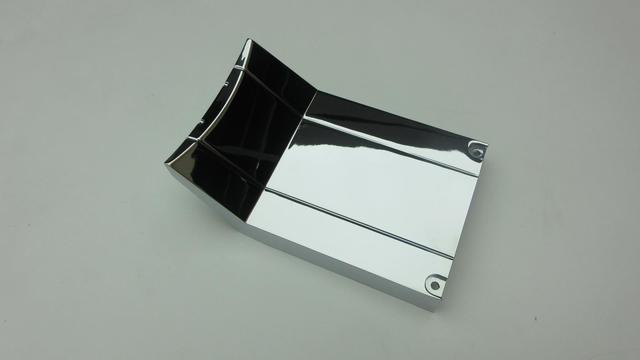
For marine or chemical applications, we recommend plasma surface treatment followed by a high-durability powder coating or hard-coat anodization. This creates an oxide barrier that protects the aluminum base against galvanic corrosion, salt spray, and abrasive wear.
Yes, we provide full OEM/ODM support, including Design for Manufacturing (DFM) reviews. Our engineers evaluate your custom geometries to optimize gate placement, parting lines, draft angles, and wall thicknesses, which helps lower tooling costs and improves structural yields.
Ningbo Singer Cast is certified to ISO 9001:2015. Our automotive-grade production lines follow the stricter guidelines of the IATF 16949 quality standard, which includes full PPAP (Production Part Approval Process) support and material trace records.
Depending on geometry and part complexity, mold design and manufacturing takes 30 to 45 calendar days. First article samples are delivered immediately after tool tryouts, accompanied by complete dimension and material test reports.
Additional cast and machined components optimized for high-performance and harsh environment applications.
 Singer Cast