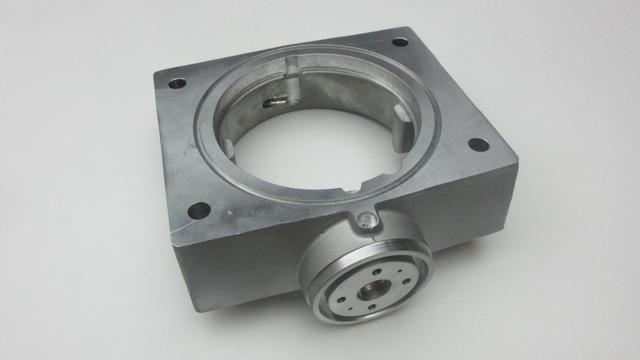
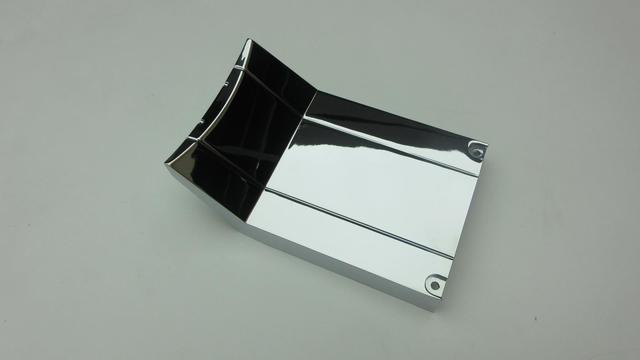
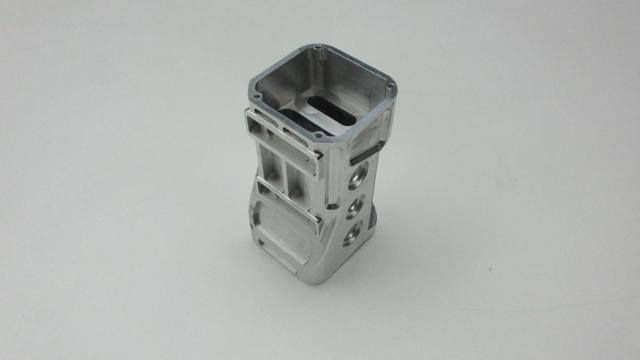
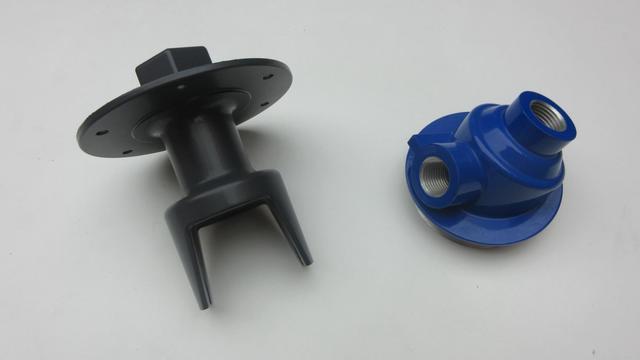
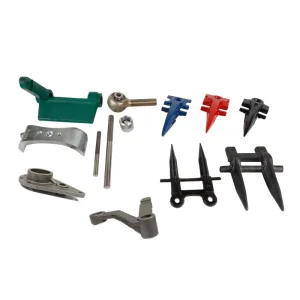
China Wholesale Secondary Processing Techniques Factories & Exporters

High-Precision OEM/ODM Die Casting, Advanced CNC Machining & Specialized Surface Finishing Solutions

Featured Precision Components & Castings

Explore our premium selection of structural, custom-engineered components leveraging high-pressure casting and post-processing technologies.
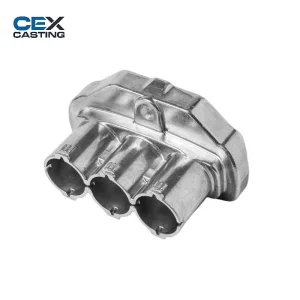
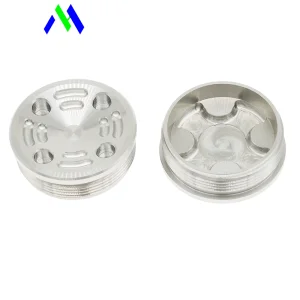
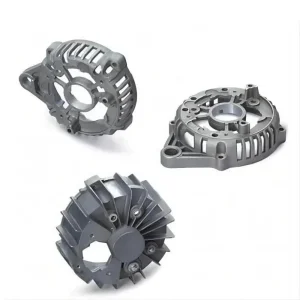
Custom Aluminum/Aluminium/Zamak 5/Zamak 7/Za-8/Za-27/Zinc Die Casting Electrical Plug Housing

Custom Aluminum/Aluminium/Zamak 5/Zamak 7/Za-8/Za-27/Zinc Die Casting Electrical Plug Housing

View Details
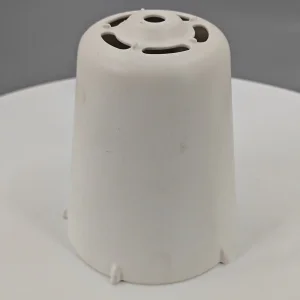
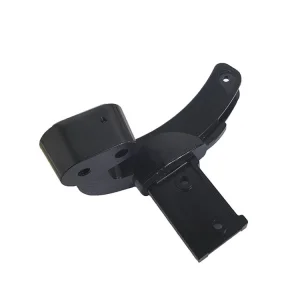
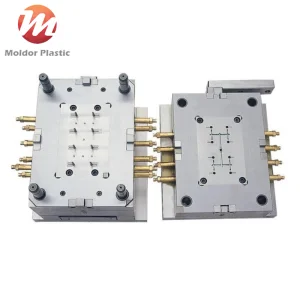
OEM Custom Plastic Injection Mold

OEM Design Custom Plastic Injection Mould/Mold or Die Casting Mould

View Details
Custom CNC Machined Aluminum Herb Grinder Components

Custom CNC Machined Durable Precision Die Cast Parts Aluminum Herb Grinder Components

View Details
Precision High Pressure Zinc Alloy Die Casting

Precision Customized High Pressure Zinc Alloy Aluminum Die Casting of Reliable Auto Spare Part

View Details
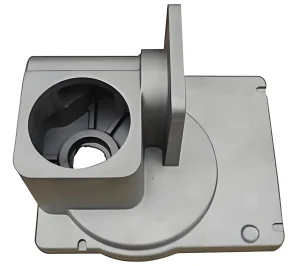
Custom Precision Die Casting Service

Foundry Manufacturers Custom Precision Casting Iron/Zinc/Magnesium/Metal/ Aluminum Parts Die Casting Service

View Details
Custom Zinc Die Casting Components

High-Precision Customized Zinc Die Casting Components for CNC Machining

View Details
Customized Aluminum Casting Process

Customized Aluminium Clohete Casting Low Pressure/Gravity Casting Process Aluminum Casting

View Details
Custom Anodized Die Casting Zinc Aluminum Parts

Custom Hot Chamber Anodized Die Casting Parts Metal Zinc Aluminum Die Casting

View Details

Secondary Processing in Modern Metallurgy: A Blueprint for Global Buyers

Bridging the gap between raw near-net-shape castings and high-performance industrial assemblies through precision post-casting manufacturing.

In the demanding landscapes of automotive, aerospace, medical devices, and heavy machinery engineering, the raw output of high-pressure die casting (HPDC) represents only the beginning of a component’s manufacturing lifecycle. While modern high-speed casting machinery produces impressive near-net-shape geometries, achieving the extreme dimensional tolerances, micro-inch surface roughness profiles, and mechanical surface resilience required by today's structural assemblies requires sophisticated Secondary Processing Techniques.
As a premier manufacturing hub, China's leading exporters and factories have transformed from simple foundry shops into vertically integrated processing centers. By deploying multi-axis CNC machining center lines, automated thermal treatment ovens, and advanced chemical deposition and powder coating lines, Chinese manufacturers provide global buyers with finished, assembly-ready, high-value components. This whitepaper analyzes these secondary processing methods to help global procurement managers, technical directors, and hardware designers optimize their components' lifecycle performance.
±0.005mm
CNC Tolerance Limits
1000+ Hrs
Salt Spray Salt Resistance
ISO 9001
Quality Management
100%
REACH & RoHS Compliant

The Crucial Role of Post-Casting Refinements

Metal casting methods, whether low-pressure, gravity casting, or high-pressure die casting, inevitably leave trace artifacts. Microscopic surface porosity, parting-line flashing, gating residues, and thermal contraction anomalies require correction to meet functional standards. Secondary operations systematically transform these raw surfaces. Processes like thread-tapping, boring, milling, heat treatment, and specialized plating allow components to meet critical specifications, ensuring perfect alignment, sealing, and electrical conductivity in their end applications.

Comprehensive Breakdown of Post-Processing Operations

Understanding the parameters, materials, and engineering considerations of modern manufacturing.

Precision CNC Machining

Including milling, drilling, boring, and thread tapping. This stage handles tight tolerances (±0.005mm) for bearing seats, mating surfaces, and high-strength threads, eliminating draft angles inherent to cast tools.

Advanced Surface Finishing

Anodizing (Type II & III), powder coating, plating (zinc, nickel, chrome), and chromate passivation. These operations prevent oxidation, increase wear resistance, and provide high-quality cosmetic finishes.

Thermal Heat Treatments

Employing T4, T5, and T6 heat treatment tempers. Thermal processing relieves internal residual stress caused by high-pressure solidification and optimizes physical properties like yield strength and elongation.

Material and Processing Compatibility Matrix

Alloy Family Material Designations Optimal Secondary Operations Typical Applications Corrosion Protection Requirement
Aluminum Alloys A380, A360, ADC12, AlSi9Cu3 CNC Milling, Thread Tapping, T6 Heat Treatment, Hard Anodizing, Powder Coating Automotive housings, LED heat sinks, electrical housings, engine brackets Moderate to High (Requires chromate conversion or anodizing)
Zinc Alloys (Zamak) Zamak 3, Zamak 5, Zamak 7, ZA-8, ZA-27 High-speed tapping, chrome electroplating, e-coating, satin nickel plating Precision gears, structural connectors, consumer electronics, lock hardware High (Plating or e-coating recommended for outdoor environments)
Magnesium Alloys AZ91D, AM60B Precision machining, specialized conversion coating, light powder coat Laptops, automotive steering wheels, aerospace brackets, power tools Very High (Requires specific passivation and topcoat sealing)
Carbon Steel / Iron Grade 60-40-18, WCB, LCC Boring, face-turning, induction hardening, black oxide, hot-dip galvanizing Heavy duty industrial bearing housings, hydraulic manifolds, mining machinery Extremely High (Requires zinc plating or specialized painting)
Each alloy exhibits unique physical characteristics under cutting forces. For instance, while Zinc Zamak alloys flow well and cast with extremely thin walls, they are soft and require precise feed controls during threading. In contrast, hypereutectic aluminum alloys (like ADC12) contain hard silicon phases that accelerate cutting tool wear, demanding specialized diamond-coated (PCD) inserts.

Macro-Industry Solutions & Global Industrial Status

How Chinese factories integrate with global distribution supply chains to deliver efficiency at scale.

The global demand for finished structural components is growing rapidly, driven by the electrification of vehicles, high-speed rail networks, 5G base station rollouts, and automated factory equipment. These applications require high strength-to-weight ratios and precise dimensional accuracy. For example, modern electric vehicle (EV) motor housings require flat sealing surfaces to prevent coolant leaks, calling for flatness tolerances within 0.03mm across a 500mm span.
Chinese manufacturing exporters have updated their operations to address these demands. Instead of shipping rough castings that require domestic finishing, global procurement departments now rely on Chinese factories to handle the entire production process. By keeping casting, heat treatment, precision machining, and surface finishing under a single quality control system, buyers reduce logistics costs, minimize transport damage risks, and simplify communication to a single point of contact.

Automotive E-Mobility

Lightweight structural components, EV battery trays, and motor enclosures that require tight machining tolerances, leak testing, and anti-corrosive powder coatings.

Industrial Power Transmission

Heavy-duty bearing housings, gear covers, and hydraulic cylinders that require deep boring, carbon steel hardening, and wear-resistant coatings.

Telecommunications & Electronics

Aluminium shielding enclosures, outdoor 5G base station heat sinks, and plug housings requiring high thermal conductivity and weatherproofing.

Ningbo Singer Cast Co., Ltd.: Professional OEM/ODM Manufacturer

Introducing an industry-leading provider of high-pressure metal casting and post-processing services.
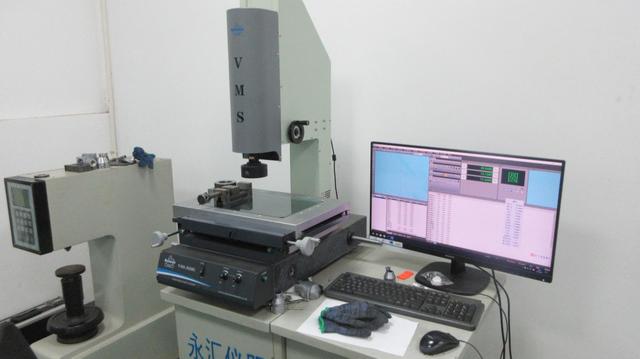
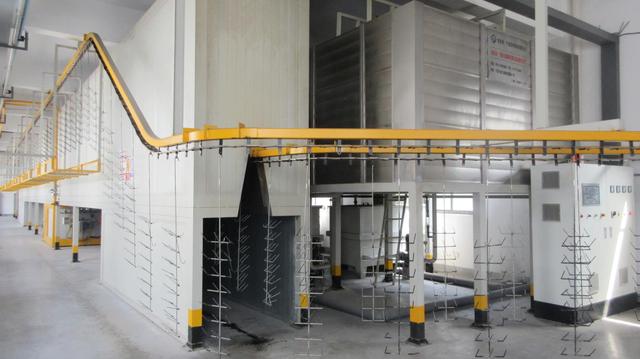
Ningbo Singer Cast Co., Ltd. is a professional die casting manufacturer specializing in aluminum, zinc, and precision metal components for a wide range of industrial applications. With years of experience in the metal manufacturing industry, the company has built a strong reputation for delivering high-quality, cost-effective solutions to global customers.
Singer Cast provides a comprehensive range of services, including high-pressure die casting, mold design and development, CNC machining, surface finishing, and assembly. Its products are widely used in industries such as automotive, electronics, lighting, machinery, and consumer goods, meeting diverse requirements for durability, precision, and performance.
Equipped with advanced production facilities and supported by a skilled engineering team, Ningbo Singer Cast focuses on continuous innovation and process optimization. The company ensures strict quality control at every stage of production, from raw material selection to final inspection, complying with international standards and customer specifications. Dedicated to customer satisfaction, Singer Cast offers flexible OEM/ODM services and efficient project management to support customized manufacturing needs. With a strong global supply capability, the company is committed to delivering reliable, high-precision die casting components that help clients enhance product competitiveness and achieve long-term success.

Factory Workshop & Tooling Showcase

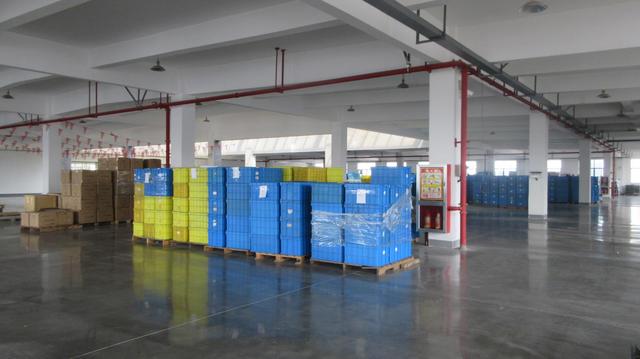
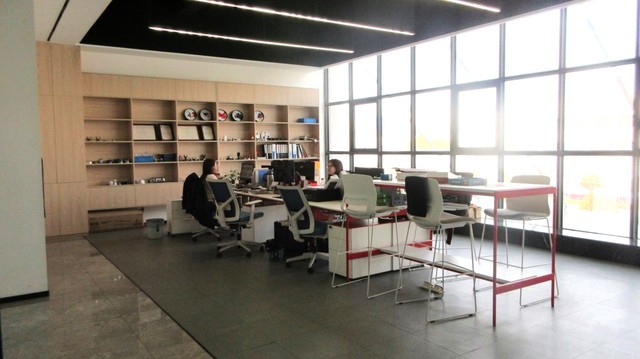
Singer Cast Factory Facility 1
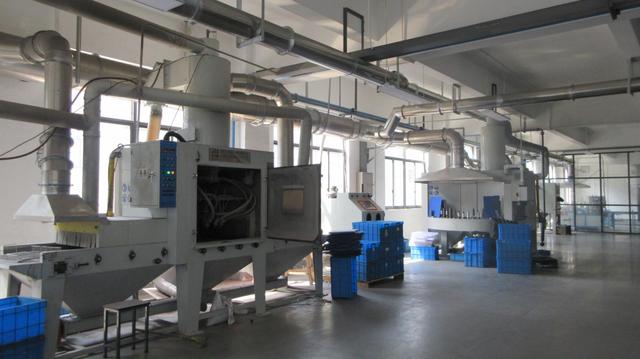
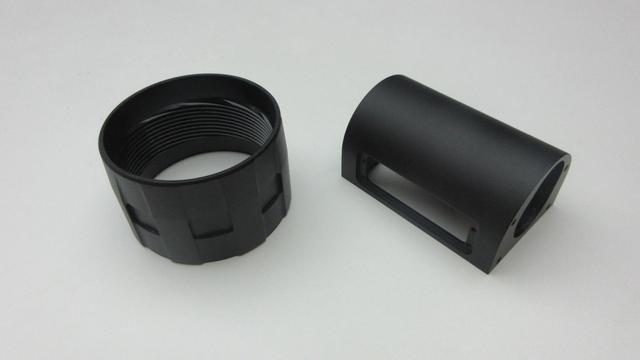
Singer Cast Factory Facility 2
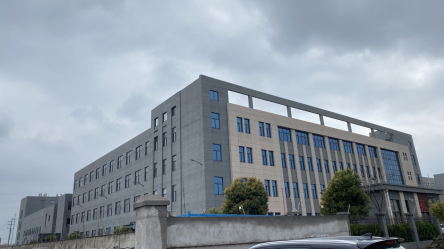
Singer Cast Factory Facility 3
Singer Cast Factory Facility 4
Singer Cast Factory Facility 5
Singer Cast Factory Facility 6
Singer Cast Factory Facility 7
Singer Cast Factory Facility 8
Singer Cast Factory Facility 9
Singer Cast Factory Facility 10
Singer Cast Factory Diagram 11

Localized Support and Compliance Assurance

Ensuring global standards for material purity, traceability, and environmental stewardship.

Global supply chain integration requires strict adherence to international regulatory frameworks. To support operations in North America, the European Union, and the Asia-Pacific region, modern Chinese manufacturers maintain certifications that align with destination markets:
  • RoHS & REACH Compliance: Direct control over chemical composition, ensuring that all zinc alloys (Zamak 3, 5, 7) and aluminum casting formulations are free from restricted heavy metals like lead, cadmium, and hexavalent chromium.
  • Automotive Industry Standard: Compliance with systems like IATF 16949 to guarantee traceability from the raw metal ingot to the finished component.
  • Environmental & Safety Certification: Implementing wastewater purification systems for electroplating and anodizing lines, ensuring continuous operation under local environmental regulations.
  • Advanced Quality Testing: Deploying coordinate measuring machines (CMM), industrial spectrometers for chemical validation, X-ray non-destructive testing for internal voids, and high-pressure leak testing stations.

Technology Roadmap & Future Outlook

Evaluating the transition to automation and sustainable surface finishing technologies.

The field of post-casting secondary processing is evolving with the introduction of smart manufacturing technologies. Factories are transitioning from manual deburring and simple CNC operations toward automated robotic work cells and green chemistries:

Robotic Finishing Systems

Multi-axis robotic arms equipped with force-feedback sensors carry out grinding, deburring, and polishing. This automation ensures consistent surface quality across large production volumes.

Eco-Friendly Processes

Transitioning to trivalent chromium passivation chemistries and closed-loop water recovery systems. These processes reduce environmental impact while maintaining high corrosion resistance.

Integrated Inspection

Deploying blue-light 3D scanning and vision-guided systems directly within CNC stations. This setup enables real-time tool compensation and immediate part verification.

Frequently Asked Questions

Addressing key technical and procurement concerns for international buyers.

1. What tolerances can be achieved via secondary CNC machining?

For aluminum and zinc castings, our multi-axis CNC centers achieve tolerances as tight as ±0.005 mm for boring and cylindrical turning operations, and ±0.01 mm for pocket milling and spacing. Critical features are measured using Coordinate Measuring Machines (CMM) to verify dimensions against 3D CAD files.

2. How do T4, T5, and T6 heat treatments affect aluminum castings?

T4 involves solution heat treatment and natural aging to improve ductility. T5 is simple precipitation aging after casting, which increases hardness and dimensional stability. T6 combines solution heat treatment with artificial aging, maximizing tensile strength and hardness, making it ideal for highly stressed structural parts.

3. What is the difference between Type II and Type III anodizing?

Type II is standard sulfuric acid anodizing, which yields oxide layers from 5 to 20 microns thick. It provides good corrosion resistance and accepts decorative dyes. Type III (hard anodizing) creates a layer between 25 and 75 microns thick, offering superior wear resistance and surface hardness (up to 600-700 HV), typically in natural dark gray or black.

4. How do you prevent internal porosity in parts that undergo machining?

Machining can expose sub-surface porosity. We address this using simulated mold-flow analysis to optimize gates and runners, vacuum-assisted die casting to remove air from cavities, and squeeze pins in high-mass regions. Parts undergo X-ray testing and pressure testing (bubble or air-decay methods) to ensure integrity.

5. Which surface finish is best for zinc alloy components?

Zinc alloys respond well to electroplating processes like copper-nickel-chrome plating. This treatment provides a mirror-like finish and excellent wear resistance. Alternatively, electrocoat (E-coating) or powder coatings offer uniform coverage over complex shapes with high corrosion resistance.

6. How does Ningbo Singer Cast Co., Ltd. ensure material traceability?

We perform chemical analysis on every incoming ingot batch using optical emission spectrometers. We maintain complete material batch records throughout casting, heat treatment, machining, and final delivery, providing chemical and physical test reports to customers upon request.

Explore Our Expanded Product Lines

A selection of industrial-grade enclosures, automotive components, and structural housings.
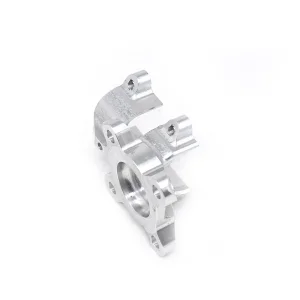
China OEM Aluminum Die Casting CNC Machining Parts

China Factory OEM Custom Aluminum Die Casting CNC Machining Process CNC Milling Parts Precision Anodized Die Casting Parts

View Details
Custom Automotive Components Aluminum Die Casting

Custom Automotive Components with Aluminum Die Casting for Enhanced Quality

View Details
Hot Sale Aluminium Die Casting Parts

Hot Sale Hot Chamber Aluminium Die Casting Parts

View Details
Custom Metal Die Casting Fastener Components

Precision Customized Metal Die-Casting Service Fastener Components for Automotive and Industrial Equipment

View Details
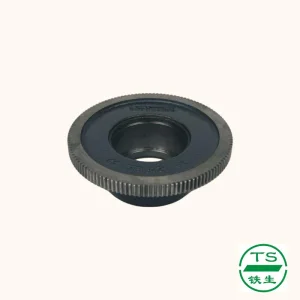
Industrial Grade Carbon Steel Bearing Housing

Industrial Grade OEM/ODM Carbon Steel Bearing Housing

View Details
Customized Aluminum Die Casting Motor Housing

Customized Die Casting Aluminum Alloy Engine Boat Motor Housing Part

View Details
Custom LED Lighting Aluminum Die Casting Part

Custom LED Lighting Heat Sink Aluminum Die Casting Part with Machining

View Details
Precision Aluminum Alloy Die Casting Components

Precision Aluminum Alloy Die Casting Components for Custom Engineering

View Details