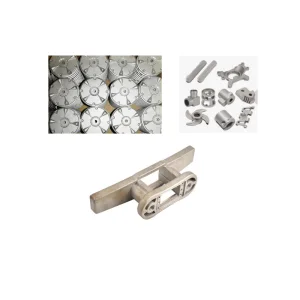
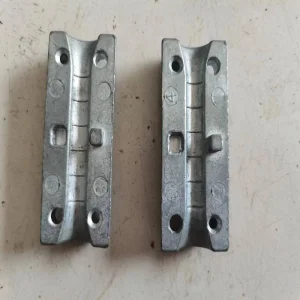
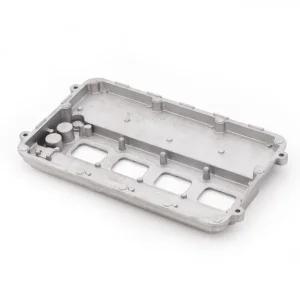
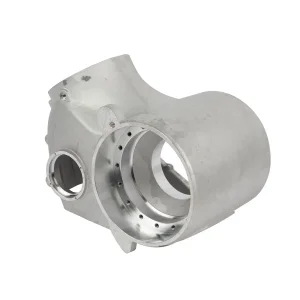
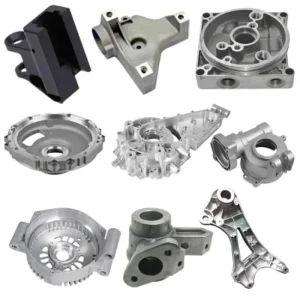
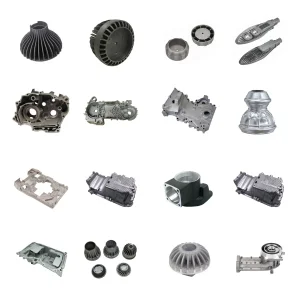
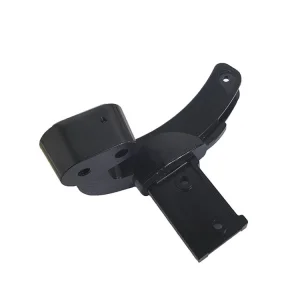
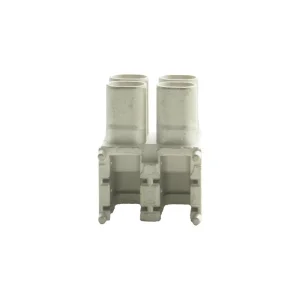
Explore our premium metal die casting, CNC-machined, and custom alloy structural components engineered for global OEM applications.
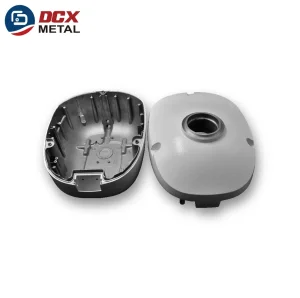
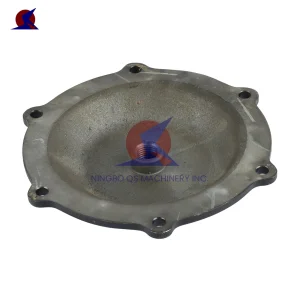
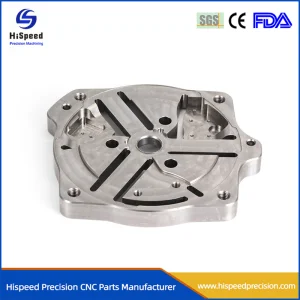
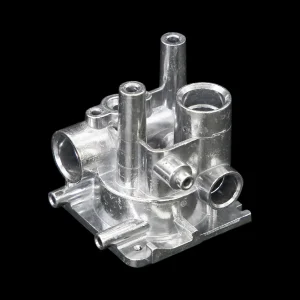
Architecting the Future of Precision Die Casting and Advanced Metallurgy Solutions
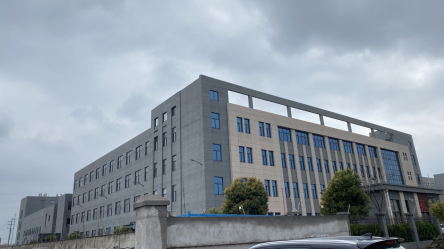
Ningbo Singer Cast Co., Ltd. is a professional die casting manufacturer specializing in aluminum, zinc, and precision metal components for a wide range of industrial applications. With years of experience in the metal manufacturing industry, the company has built a strong reputation for delivering high-quality, cost-effective solutions to global customers.
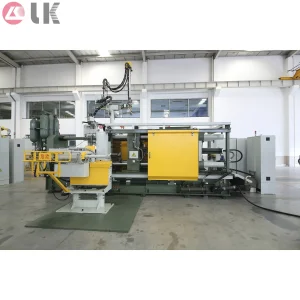
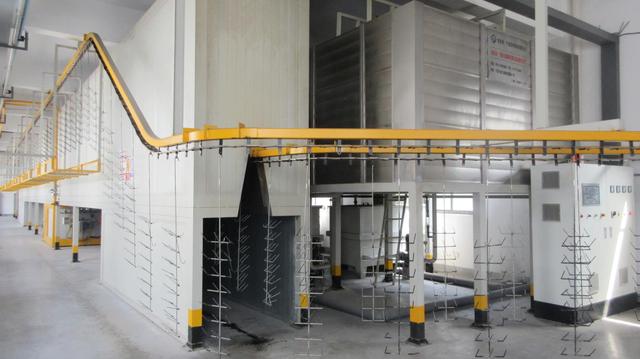
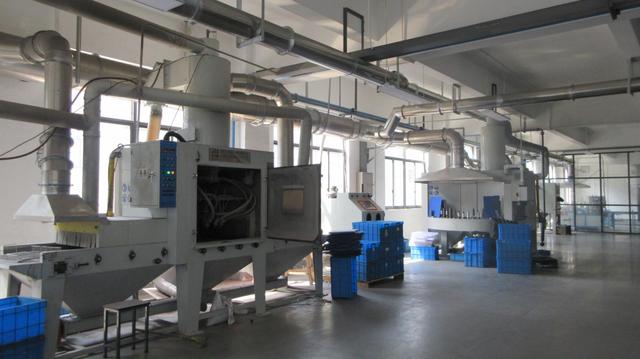
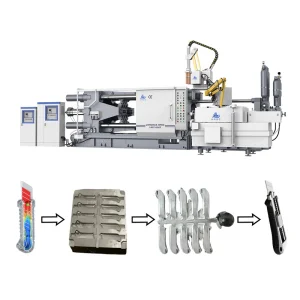
Singer Cast provides a comprehensive range of services, including high-pressure die casting, mold design and development, CNC machining, surface finishing, and assembly. Its products are widely used in industries such as automotive, electronics, lighting, machinery, and consumer goods, meeting diverse requirements for durability, precision, and performance.
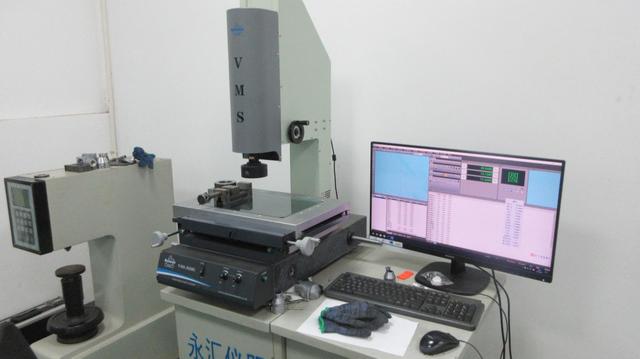
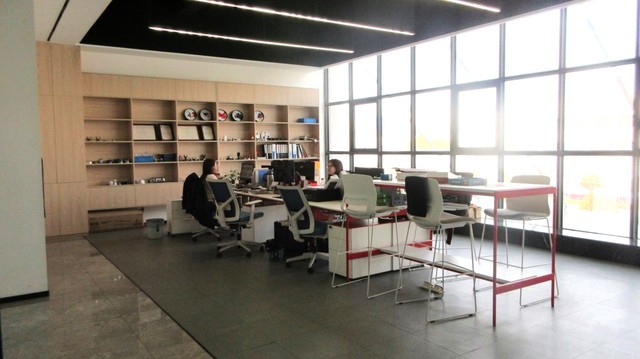
Equipped with advanced production facilities and supported by a skilled engineering team, Ningbo Singer Cast focuses on continuous innovation and process optimization. The company ensures strict quality control at every stage of production, from raw material selection to final inspection, complying with international standards and customer specifications.
Dedicated to customer satisfaction, Singer Cast offers flexible OEM/ODM services and efficient project management to support customized manufacturing needs. With a strong global supply capability, the company is committed to delivering reliable, high-precision die casting components that help clients enhance product competitiveness and achieve long-term success.
Analyzing the strategic shift towards structural lightweighting, complex geometry casting, and regionalized supply chains.
The global engineering services sector is undergoing an unprecedented structural transformation. As key markets in North America, Europe, and Asia-Pacific prioritize energy efficiency, the demand for precision light alloy manufacturing—predominantly aluminum and zinc die casting—has surged. Historically, structural metal parts were heavily reliant on steel weldments; however, the contemporary industrial landscape heavily favors monolithic castings. By integrating multiple sub-assemblies into single complex high-pressure die cast components, modern industries drastically reduce assembly costs, improve structural integrity, and optimize weight.
China, as the world's leading exporter of precision engineering services, represents the cornerstone of this global supply chain. Strategic clusters such as Ningbo leverage deep technological integration, vertical supply chains, and highly optimized raw material access. Our localized ecosystem enables us to respond to design revisions instantly, minimizing time-to-market for complex industrial programs from months to weeks.
Transitioning from traditional tooling practices to Industry 4.0, Digital Twin validation, and Vacuum-Assisted HPDC.
Utilizing high-end computational fluid dynamics to simulate melt front velocity, solidification thermal dynamics, and gas entrapment areas, preventing defects before mold manufacturing.
Eliminating entrained air within the die cavity by pulling vacuums up to 50 mbar, allowing structural parts to be heat-treated (T6) without risk of surface blistering or internal voids.
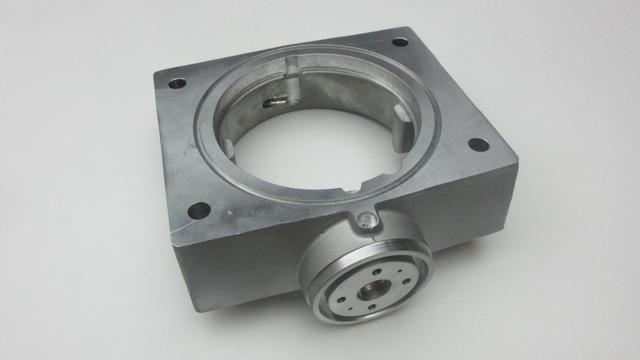
Executing ultra-precise machining on locating datums and critical paths utilizing automated vertical machining centers to realize positioning tolerances within microns.
Optimizing mechanical properties of hypereutectic ADC12 and Zamak 3/5 variants to enhance thermal dissipation, structural tensile strength, and corrosion resistances.
Integrating real-time sensor feedback into mold tooling systems to log shot-pressure profiles, cavity temperature distribution, and cycle times for 100% traceabilty.
Deploying advanced sorting and clean-melting furnaces to maximize in-house scrap recycling, decreasing direct carbon emissions by up to 35% in raw casting production.
Tailored structural component design, metallurgy, and finishing options to address demanding cross-industry specifications.
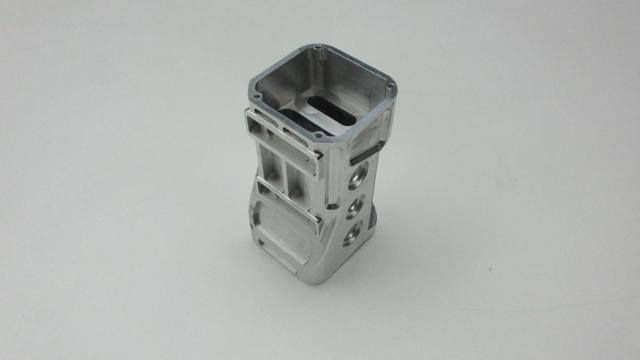
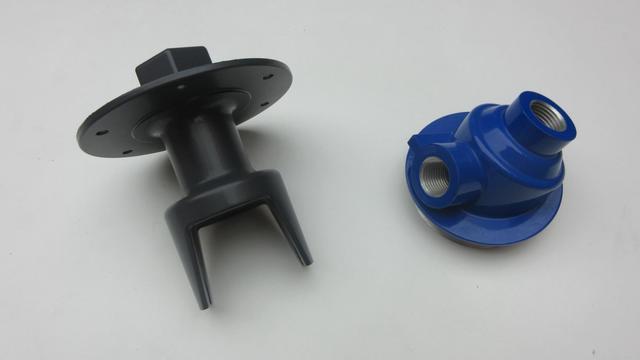
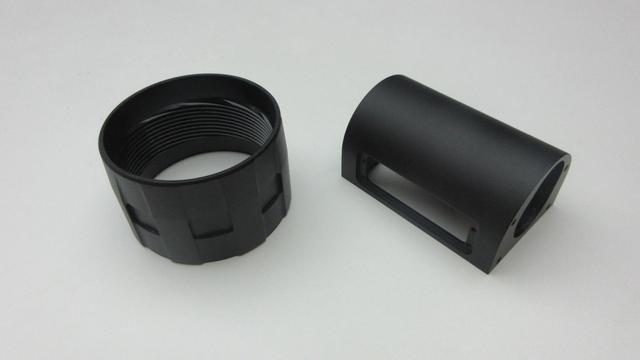
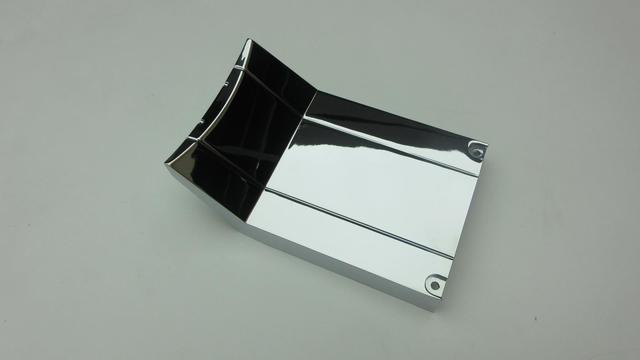
Modern electric vehicles and standard internal combustion platforms require component configurations that minimize weight without sacrificing crash safety or durability. Our high-pressure die cast cylinder heads, transmission housings, and low-pressure structural bracketry deliver optimal thickness control and robust mechanical properties. Combined with advanced anodizing, sandblasting, and plating, we ensure complete resistance to road-salt degradation and harsh thermal cycling environments.
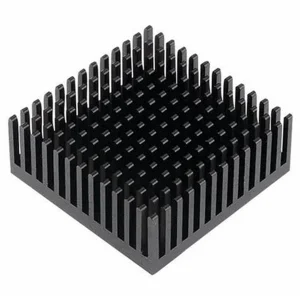
Next-generation 5G connectivity infrastructure utilizes outdoor-mounted nodes that demand high heat dissipation performance and structural shielding (EMI/RFI). Using ADC12 and custom zinc formulations, we manufacture high-precision heat sinks and RF connector housings featuring thin-wall geometries down to 1.2 mm. Our processes prevent micro-porosity, guaranteeing thermal path continuity and stable electronic performance.
Heavy machinery applications demand components capable of enduring extreme mechanical loading, abrasive debris, and variable stress states. Our gravity casting solutions combined with high-yield alloy formulations serve as robust structural segments for tractors, loaders, and planetary gear systems, guaranteeing continuous uptime in demanding field conditions.
Uncovering the engineering principles behind successful metal casting, tool optimization, and material selection.
Discover our range of custom machinery castings, industrial molds, RF housings, and high-pressure alloy components.
 Singer Cast