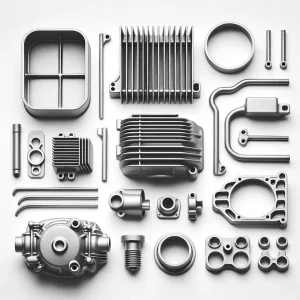
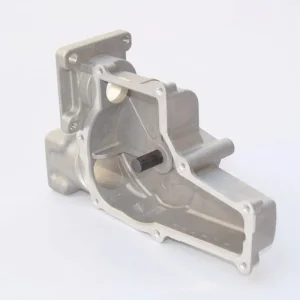
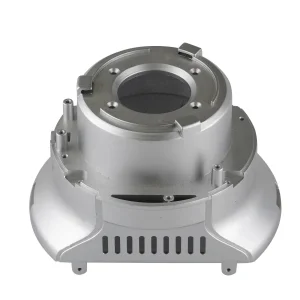
Explore our premium range of industrial assemblies, structural parts, and machine tooling designs optimized for superior thermal conductivity and mechanical stress distribution.
As microelectronics scale down and power densities scale up, the global industrial landscape faces unprecedented heat dissipation challenges. Thermal management is no longer merely a secondary design consideration; it has become the defining bottleneck for structural reliability, performance lifespan, and safety. In sectors like electric vehicles (EVs), telecommunication base stations (5G/6G), data centers, and advanced computing, heat load control directly dictates system efficiency.
Historically, thermal management relied on simple extruded aluminum heatsinks. Today, the integration of advanced geometries, multi-material assemblies (such as copper inserts in die-cast aluminum matrices), and liquid cooling plates represents the state of the art. Achieving these intricate architectures requires high-precision die casting coupled with sub-micron CNC post-machining. Without highly controlled manufacturing processes, thermal interfaces degrade, leading to high thermal contact resistance ($R_{th}$) and component failure.
Traditional casting alloys sometimes suffer from internal porosity which traps air, acting as a severe insulator (air thermal conductivity is roughly $0.026 \text{ W/m·K}$). By utilizing state-of-the-art cold-chamber and high-pressure die casting techniques, factories can achieve a high-density metallic matrix. Using refined alloys like ADC12 and A380, thermal conductivity can range from $96 \text{ W/m·K}$ up to $120 \text{ W/m·K}$. Modern advanced cooling components leverage specialized grain refinement agents to maximize heat flux paths without sacrificing structural rigidity.
In the high-stakes supply chain of automotive and industrial electronics, engineering procurement executives look for suppliers who can balance structural toughness with superior thermodynamic properties. The procurement intent focuses on partners who possess deep material sciences expertise, robust Quality Management Systems (QMS), and true design-for-manufacturability (DFM) verification capabilities.
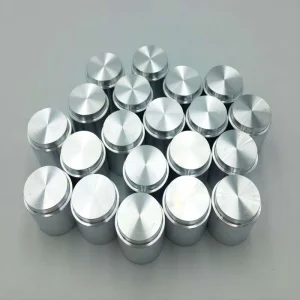
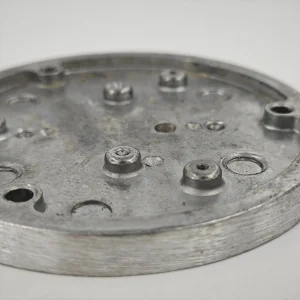
Thermal interfaces require exceptional flatness (often within 0.05mm across large spans) to minimize the bond-line thickness (BLT) of Thermal Interface Materials (TIMs). This is only achievable via high-precision 5-axis CNC machining centers post-casting.
For liquid cooling blocks, porosity can lead to micro-leaks under pressure. Sourcing agents prioritize factories that perform 100% helium leak testing and real-time X-ray pore checking on production lines.
Corrosion resistance is crucial for systems exposed to harsh environments (like automotive engine bays or coastal 5G towers). Conversion coatings like Anodizing, Electrophoresis, and Powder Coating must be applied with controlled thickness.
Ningbo Singer Cast Co., Ltd. is a professional die casting manufacturer specializing in aluminum, zinc, and precision metal components for a wide range of industrial applications. With years of experience in the metal manufacturing industry, the company has built a strong reputation for delivering high-quality, cost-effective solutions to global customers.
Singer Cast provides a comprehensive range of services, including high-pressure die casting, mold design and development, CNC machining, surface finishing, and assembly. Its products are widely used in industries such as automotive, electronics, lighting, machinery, and consumer goods, meeting diverse requirements for durability, precision, and performance.
Equipped with advanced production facilities and supported by a skilled engineering team, Ningbo Singer Cast focuses on continuous innovation and process optimization. The company ensures strict quality control at every stage of production, from raw material selection to final inspection, complying with international standards and customer specifications.
Dedicated to customer satisfaction, Singer Cast offers flexible OEM/ODM services and efficient project management to support customized manufacturing needs. With a strong global supply capability, the company is committed to delivering reliable, high-precision die casting components that help clients enhance product competitiveness and achieve long-term success.
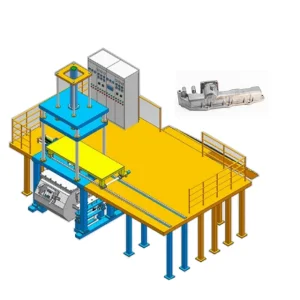
The manufacturing landscape has shifted from basic cost-arbitrage to technology-driven performance optimization. Chinese manufacturing 4.0 integration allows Ningbo Singer Cast to combine massive scale, agile tooling development, and deep digital quality tracing under one roof. Our localized supply ecosystem offers raw material procurement, structural tooling simulation, high-pressure die casting, automated CNC machining, and electro-chemical surface finishing within a highly optimized footprint.
This localized compression of the supply chain drastically mitigates risks related to maritime delays, material cost volatility, and cross-border engineering design iterations. By implementing Advanced Product Quality Planning (APQP) and Failure Mode and Effects Analysis (FMEA), our engineering team ensures that the prototype-to-mass-production bridge is seamless.
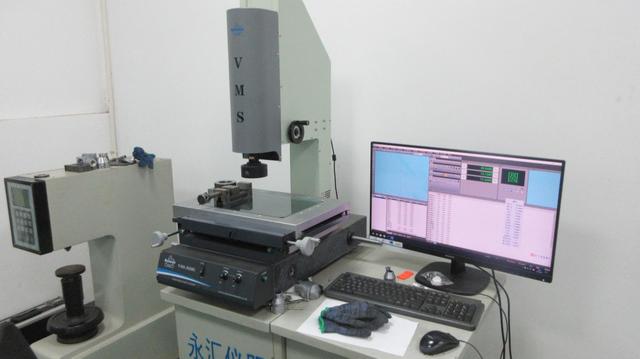
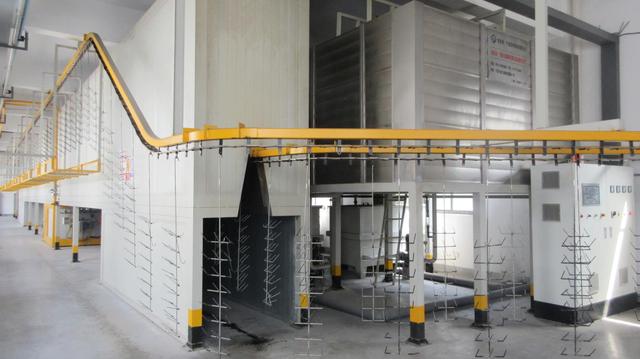
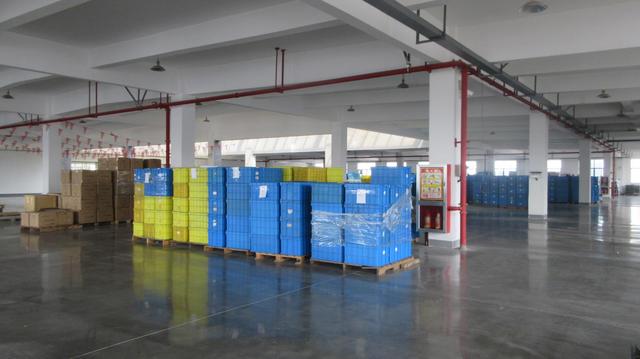
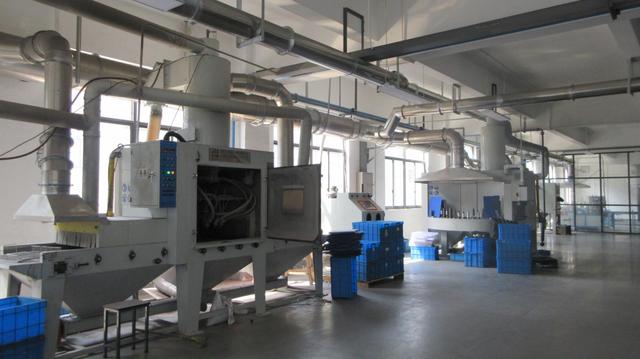
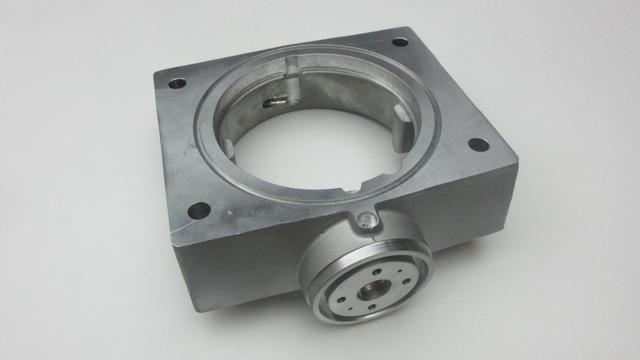
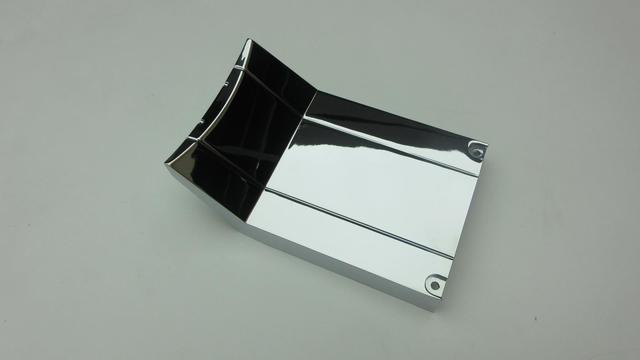
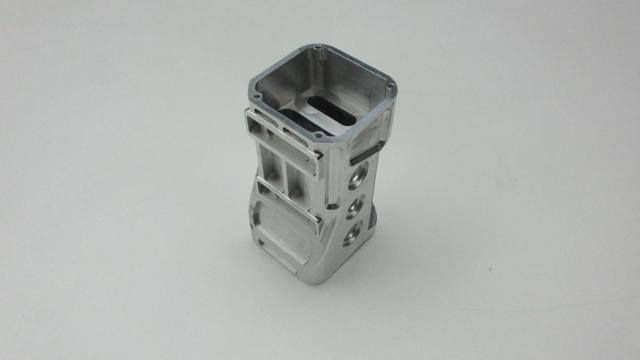
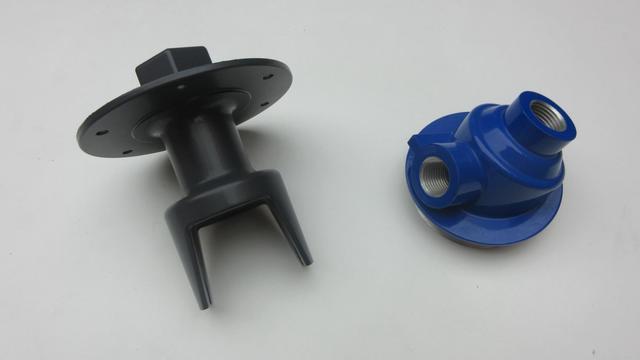
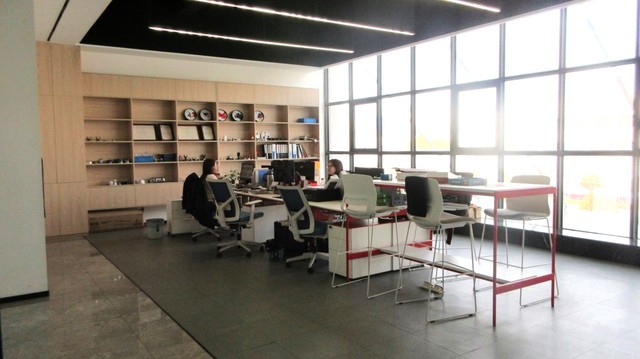
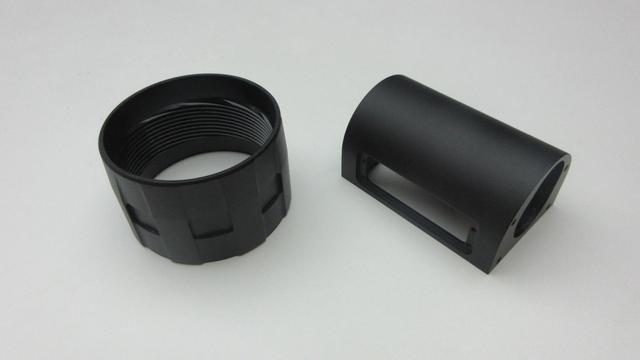
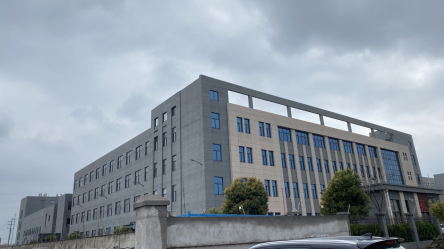
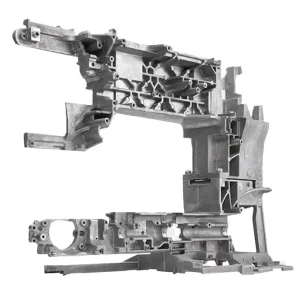
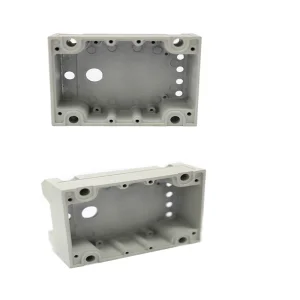
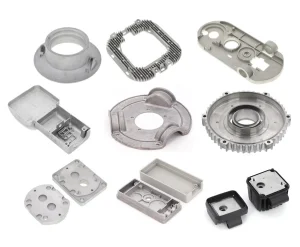
High-reliability applications demand that casting parts perform both structural load-bearing duties and thermal dissipation functions simultaneously. Below are key deployment scenarios where our custom engineered parts excel:
EV Inverters and e-drive motors generate massive heat flux. Our low-pressure and high-pressure thin-wall die-cast housings feature integrated water jackets and cooling channels that permit optimal fluid circulation without leakage, extending IGBT module lifespans.
Outdoor base stations rely on passive natural convection. Our engineered casting heatsinks feature ultra-dense fin designs, maximized surface areas, and weather-resistant conversions that stand up to solar radiation, wind, and corrosive moisture.
Industrial LED drivers and power converters require rapid thermal pathways to avoid lumen degradation. Our aluminum and zinc alloy bracket casting components provide low interface resistance and robust structural brackets for secure mounting.
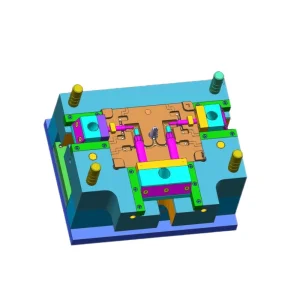
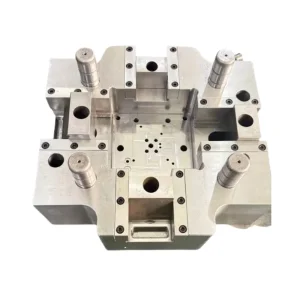
Complete mold design services, high-precision machining, and mass-production casting components tailored to rigorous client specifications.
Expert clarifications regarding alloy metrics, structural design rules, mold-flow considerations, and strategic supply capabilities.
 Singer Cast