Explore our state-of-the-art aluminum, zinc, and brass engineered castings optimized for automotive, structural, and electronics components.
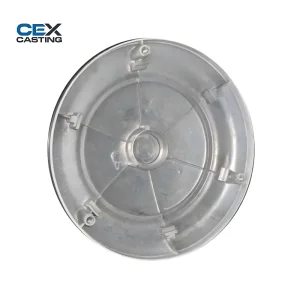
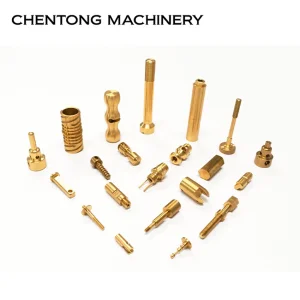
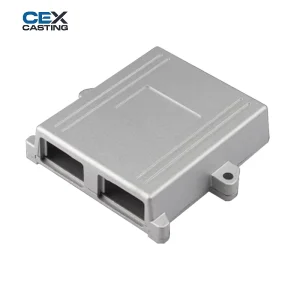
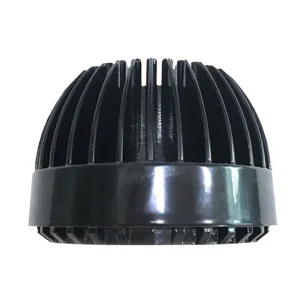
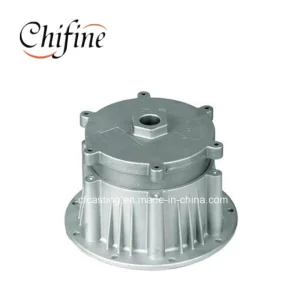
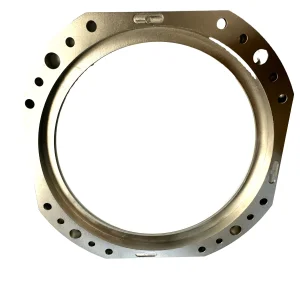
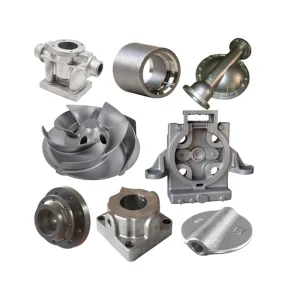
In high-pressure manufacturing environments, selecting the optimal tooling and casting supplier is a critical component of strategic asset procurement. Structural integrity, thermal performance, and dimensional accuracy form the foundation of global manufacturing chains. As industries transition toward lightweight structural profiles, the demands placed on tooling manufacturers have intensified.
Ningbo Singer Cast Co., Ltd. integrates decades of foundry experience with advanced metallurgical technologies, delivering custom high-pressure castings that exceed standard specifications. Our design-for-manufacturing (DFM) approach matches raw material properties with structural requirements, optimizing every step from the initial mold layout to final surface treatment.
Handling complex thin-walled components and high-integrity shapes using high-performance aluminum (A380, ADC12) and lightweight magnesium (AZ91D) alloys.
Optimizing production schedules through automated multi-cavity tooling systems, CNC finishing setups, and integrated surface finishing lines.
Reviewing the mechanical, microstructural, and cost characteristics of major casting methodologies implemented at our facilities.
| Casting Methodology | Target Alloys | Dimensional Tolerance Range | Minimum Wall Thickness | Porosity Level Risk | Recommended Application Volume |
|---|---|---|---|---|---|
| High-Pressure Die Casting (HPDC) | A380, ADC12, AlSi9Cu3, Zamak 3/5 | ±0.05 mm | 1.2 mm | Moderate (Controlled by Vacuum) | High Volume (>5,000 runs) |
| Squeeze Casting | A356-T6, AlSi7Mg | ±0.08 mm | 2.5 mm | Extremely Low (Heat Treatable) | Medium to High Volume |
| Gravity Casting (Permanent Mold) | Aluminum Alloys, Copper Alloys | ±0.15 mm | 3.0 mm | Low | Low to Medium (1,000+ runs) |
| Vacuum Die Casting | AlSi10Mg, Magnesium AZ91D | ±0.04 mm | 1.0 mm | Ultra-low (Ideal for ECU/Structural) | High Integrity Parts |
Ningbo represents the global epicenter of structural metal casting and precision tooling. Here is how our localized infrastructure benefits international operations.
Our facility operates within a comprehensive tooling cluster. Raw high-performance steel mills, advanced thermal heat-treatment processing, and secondary machining vendors are located within a 50-mile radius, minimizing supply chain friction.
From standard A380 and ADC10 to specialized A356-T6, AlSi7Mg, Zamak alloys, and premium AZ91D magnesium. We assist engineering teams in choosing the ideal material for thermal, weight, and tensile requirements.
Equipped with cold-chamber and hot-chamber high-pressure casting systems ranging from 160T to 2000T clamping force. This capacity allows us to produce small precision components and large structural parts on the same site.
Ningbo Singer Cast Co., Ltd. is a professional die casting manufacturer specializing in aluminum, zinc, and precision metal components for a wide range of industrial applications. With years of experience in the metal manufacturing industry, the company has built a strong reputation for delivering high-quality, cost-effective solutions to global customers.
Singer Cast provides a comprehensive range of services, including high-pressure die casting, mold design and development, CNC machining, surface finishing, and assembly. Its products are widely used in industries such as automotive, electronics, lighting, machinery, and consumer goods, meeting diverse requirements for durability, precision, and performance.
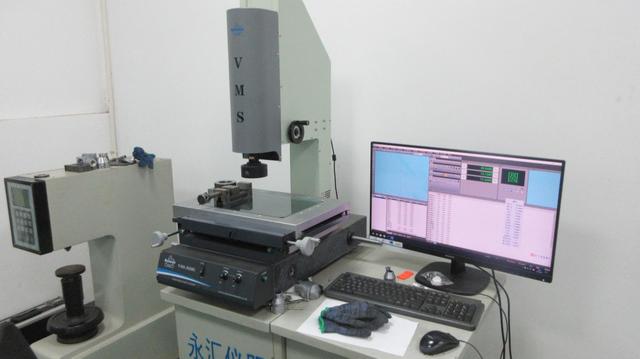
Equipped with advanced production facilities and supported by a skilled engineering team, Ningbo Singer Cast focuses on continuous innovation and process optimization. The company ensures strict quality control at every stage of production, from raw material selection to final inspection, complying with international standards and customer specifications.
Dedicated to customer satisfaction, Singer Cast offers flexible OEM/ODM services and efficient project management to support customized manufacturing needs. With a strong global supply capability, the company is committed to delivering reliable, high-precision die casting components that help clients enhance product competitiveness and achieve long-term success.
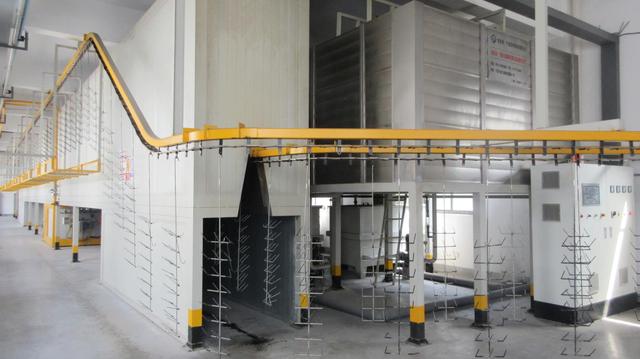
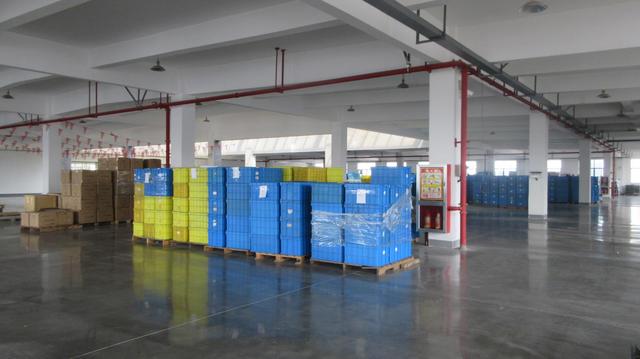
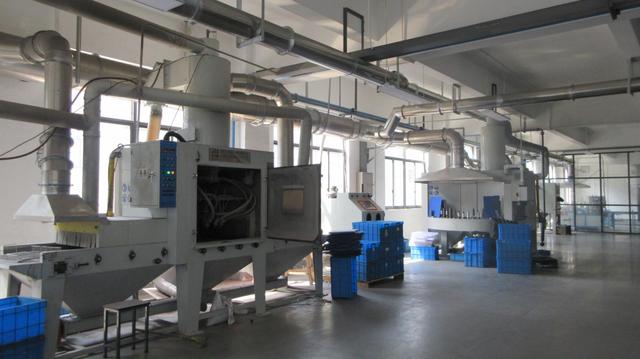
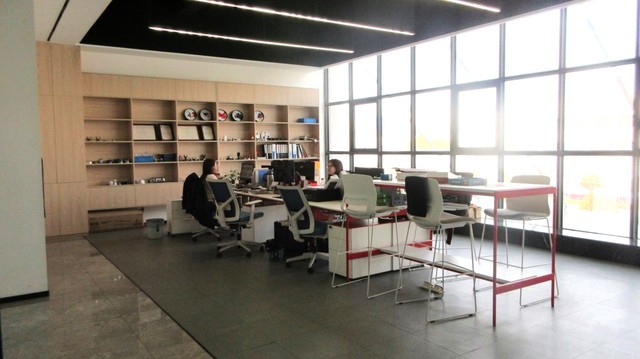
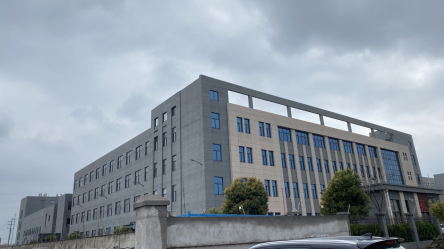
A visual overview of our tooling workshops, high-pressure die casting machines, quality inspection lines, and finished assemblies.
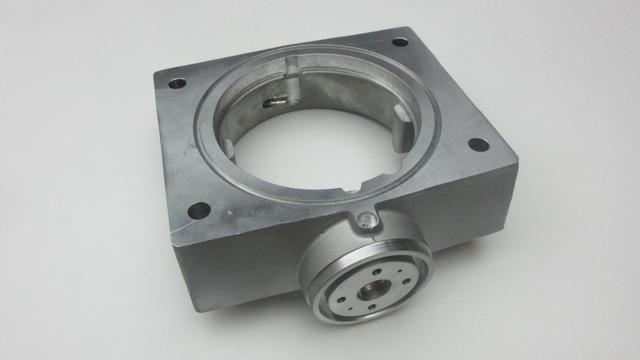
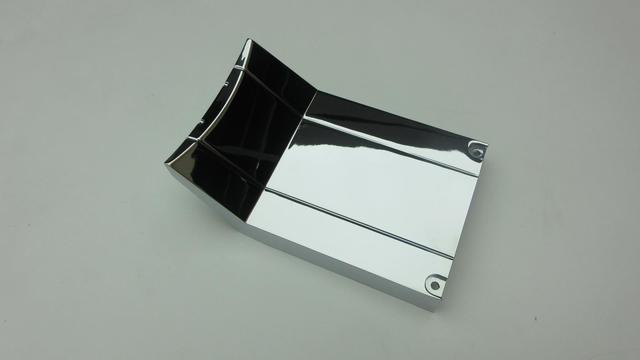
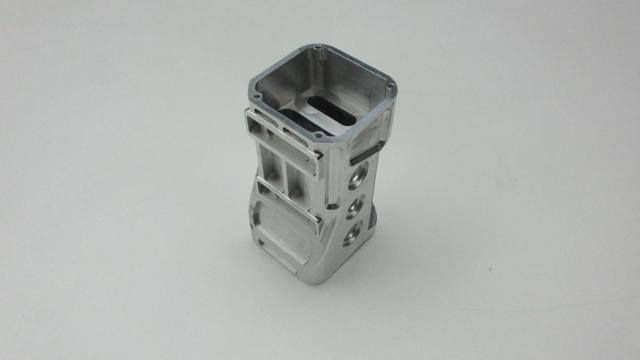
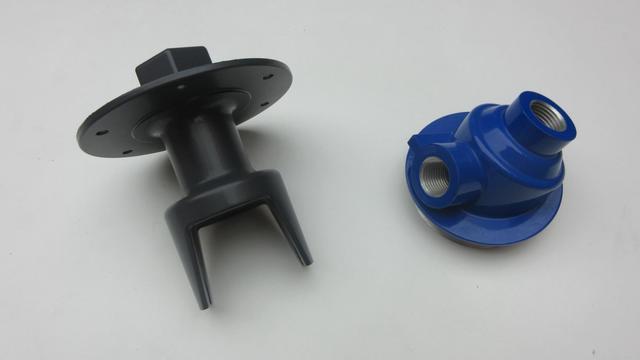
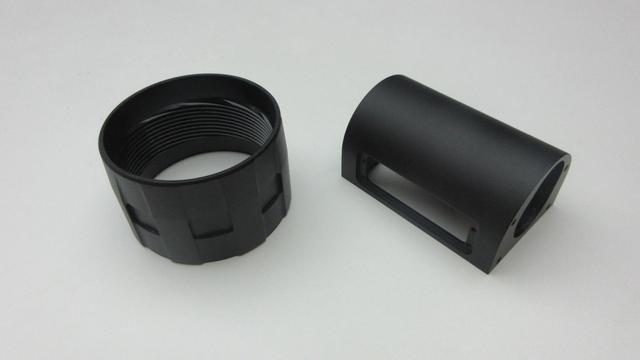
Providing high-performance cast components configured for the demanding environments of modern industrial applications.
Supplying critical structural components, motor housings, and engine covers. Our vacuum die casting techniques yield high-density structures capable of post-casting heat treatment (T4/T6) to support lightweighting goals.
Casting and machining structural nacelle enclosures, wind turbine parts, and mechanical assemblies that remain stable in harsh weather conditions and maritime environments.
Manufacturing corrosion-resistant brass valve elements and custom manifolds designed to maintain structural seal integrity under high system pressure.
Addressing common technical questions from global procurement and quality assurance teams.
For aluminum alloys like A380 and ADC12, we typically recommend premium hot-work tool steels such as H13, Dievar, or QRO 90. These materials undergo vacuum hardening to 46-52 HRC, providing high resistance to thermal fatigue, heat checking, and gross cracking across extended production runs.
We employ vacuum-assisted die casting alongside real-time shot-control systems. Pulling a vacuum in the mold cavity before metal injection reduces gas entrapment. Additionally, we run Flow3D simulations to design optimal gating systems, using X-ray inspection to confirm interior density.
Standard guidelines require a draft angle of 1° to 2° for internal surfaces to prevent drag marks during ejection, and 0.5° to 1° for outer walls. These parameters can be adjusted during design review based on alloy type and wall depth.
Due to lower operating temperatures, zinc molds can last for 500,000 to over 1,000,000 shots. Aluminum casting molds typically require refurbishing or core replacement after 80,000 to 150,000 shots due to thermal shock from the higher melting point of aluminum.
Yes. We offer several secondary treatments, including CNC machining, mechanical sand blasting, chemical passivation, anodizing, electro-deposition coating (E-coat), and durable powder coating to protect components from corrosion in demanding environments.
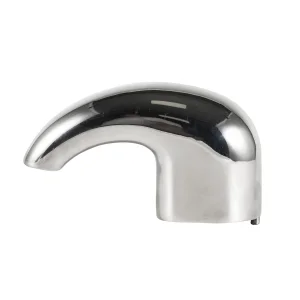
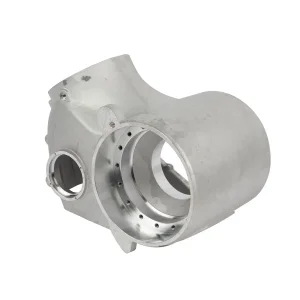
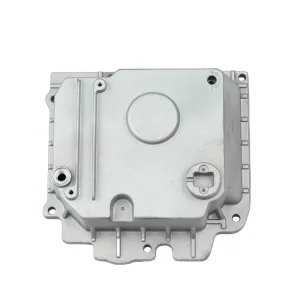
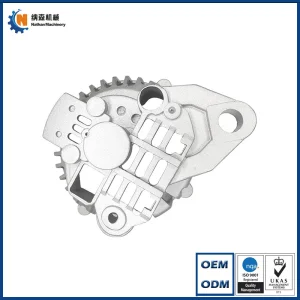
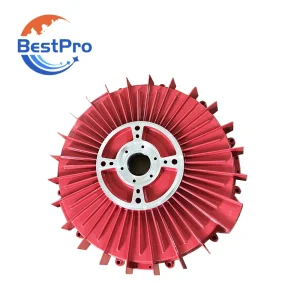
Browse our selection of specialized magnesium castings, high-pressure cylinder assemblies, and structural CNC components.
 Singer Cast