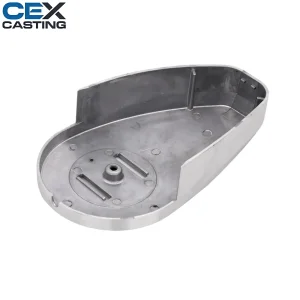
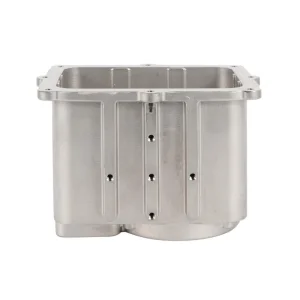
High-performance metal enclosures engineered to meet strict heat dissipation, EMI protection, and durability standards for East African deployments.
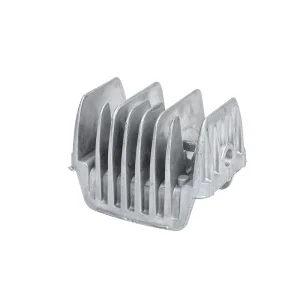
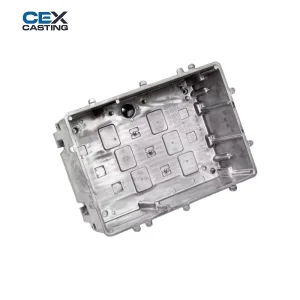
Gitarama, located in the Muhanga District of Rwanda's Southern Province, stands as a critical logistics corridor and an emerging industrial node. Positioned at the hub of key highways connecting Kigali with western and southern territories, Gitarama is undergoing rapid modernization. Under the national urbanization and industrial decentralization initiatives, local telecommunications networks, electrical grids, and urban lighting infrastructures are experiencing significant expansions.
Unlike standard indoor computing setups, electronic equipment installed in Gitarama must contend with tropical equatorial climates. This includes high UV exposure, localized humidity fluctuations, and dust accumulation. Consequently, enclosing sensitive telecommunication circuits, solar grid inverters, and power distribution modules in durable, high-pressure die cast (HPDC) aluminum or zinc alloy housings is essential for safeguarding against early system degradation.
Globally, the demand for precision-engineered electronics die-cast housings is driven by the rise of 5G infrastructure, smart cities, and vehicle electrification. Industries are shifting toward lightweight materials with exceptional thermal dissipation properties. Because aluminum and zinc alloys feature excellent strength-to-weight ratios and high electromagnetic shielding capabilities, they remain the baseline standard for microelectronics enclosures worldwide.
The manufacturing process of structural enclosures for high-reliability electronics demands meticulous process design. To minimize porosity and ensure uniform wall thickness, advanced production facilities deploy state-of-the-art simulation software prior to cutting tooling steel (typically high-grade H13 hot-work tool steel).
Depending on the mechanical, environmental, and thermal requirements of the installation in Gitarama, several alloy classes are utilized:
| Alloy Designation | Thermal Conductivity (W/m·K) | Tensile Strength (MPa) | Yield Strength (MPa) | Key Local Application |
|---|---|---|---|---|
| ADC12 | 96 | 310 | 160 | LED Street Lights & Telecom Filters |
| A380 | 96 - 109 | 320 | 160 | Solar Grid Inverters & ECU Boxes |
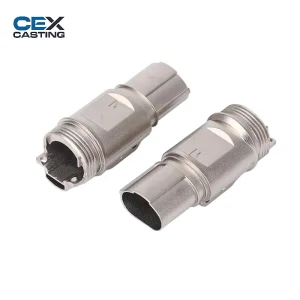
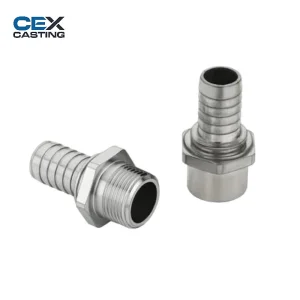
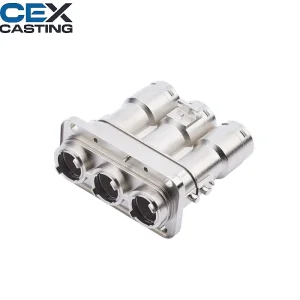
| Zamak 3 | 113 | 283 | 200 | High-Precision Electrical Plug Connector Shells |
| AZ91D (Magnesium) | 72 | 230 | 150 | Handheld Diagnostic Equipment Enclosures |
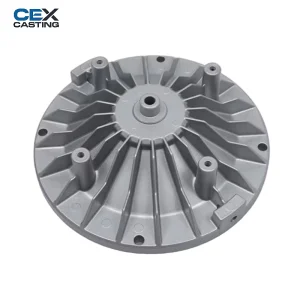
As Muhanga District upgrades urban and highway lighting around Gitarama, energy-efficient LED fixtures require weather-sealed housings. Precision die-cast floodlight components optimize thermal discharge from driver cards, avoiding thermal runaway under continuous high-temperature usage.
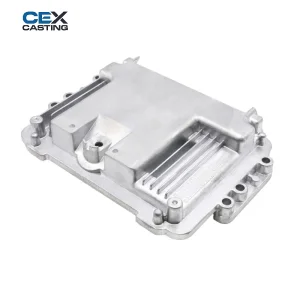
Off-grid solar microgrids are key to Rwanda's rural electrification. Aluminum-alloy inverters installed outside require IP67/IP68 ingress ratings. Our die-cast enclosures protect delicate power electronics from dust, moisture, and pests, keeping critical power grids active.
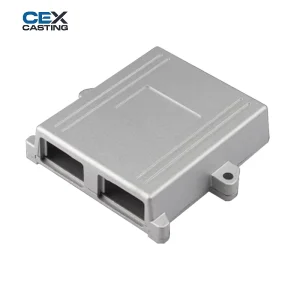
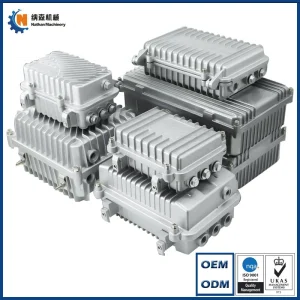
With telecommunications towers branching into the Southern Province, outdoor Remote Radio Heads (RRHs) and Electronic Control Units (ECUs) rely on heavy shielding. Structural shielding against Electromagnetic Interference (EMI) is integrated directly into the casting design of our housings.
Bare aluminum or zinc castings exposed to atmospheric humidity will oxidize over time. For industrial deployments in Rwanda, a multi-barrier surface treatment pipeline is highly recommended:
Moreover, to guarantee IP66 or IP67 ratings, our manufacturing process supports automated Liquid Gasket Dispensing (Form-in-Place Gaskets - FIPG). The precision-milled grooves in our castings allow liquid elastomer beads to cure directly on the metal, creating a seamless seal against water ingress.
Ningbo Singer Cast Co., Ltd. is a professional die casting manufacturer specializing in aluminum, zinc, and precision metal components for a wide range of industrial applications. With years of experience in the metal manufacturing industry, the company has built a strong reputation for delivering high-quality, cost-effective solutions to global customers.
Singer Cast provides a comprehensive range of services, including high-pressure die casting, mold design and development, CNC machining, surface finishing, and assembly. Its products are widely used in industries such as automotive, electronics, lighting, machinery, and consumer goods, meeting diverse requirements for durability, precision, and performance.
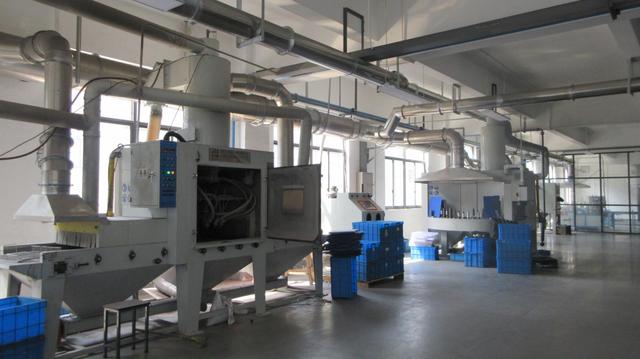
Equipped with advanced production facilities and supported by a skilled engineering team, Ningbo Singer Cast focuses on continuous innovation and process optimization. The company ensures strict quality control at every stage of production, from raw material selection to final inspection, complying with international standards and customer specifications.
Dedicated to customer satisfaction, Singer Cast offers flexible OEM/ODM services and efficient project management to support customized manufacturing needs. With a strong global supply capability, the company is committed to delivering reliable, high-precision die casting components that help clients enhance product competitiveness and achieve long-term success.
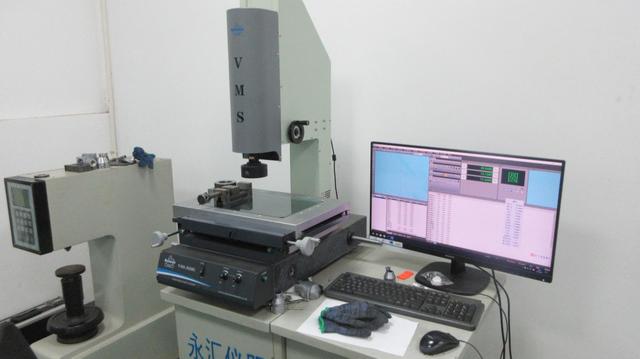
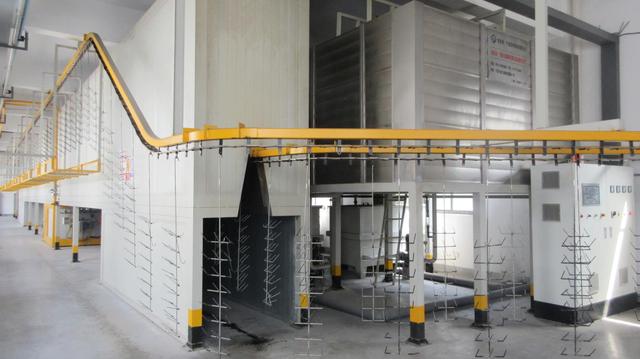
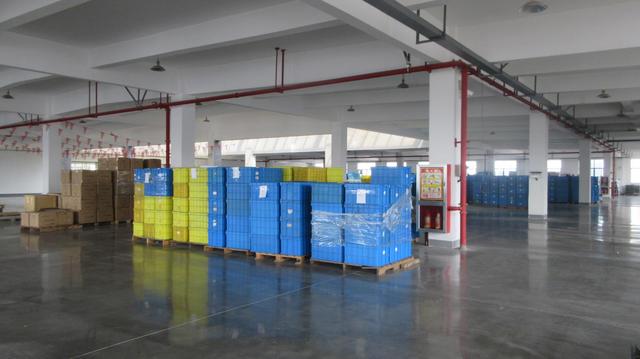
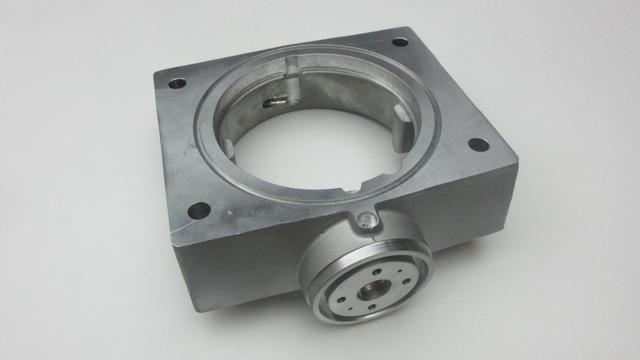
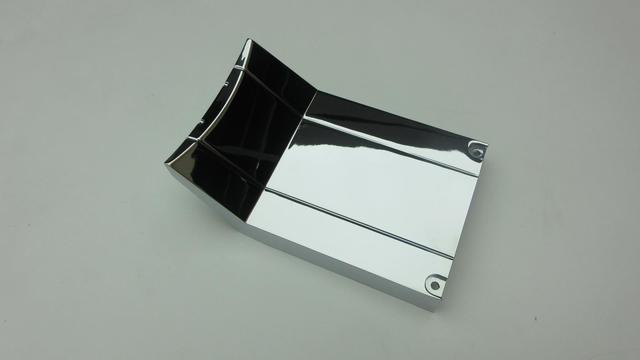
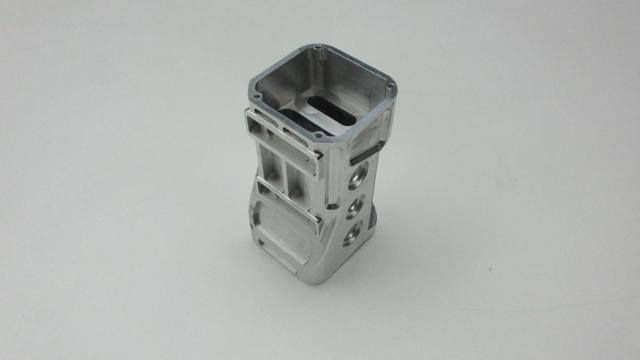
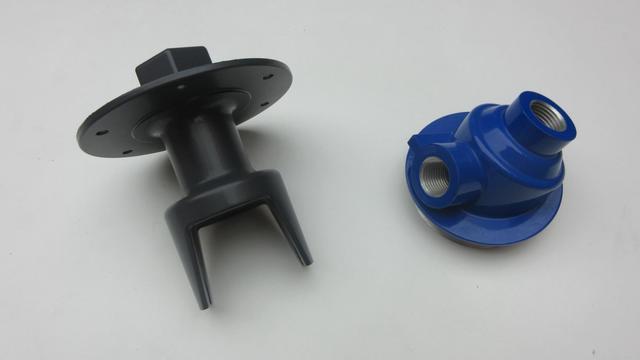
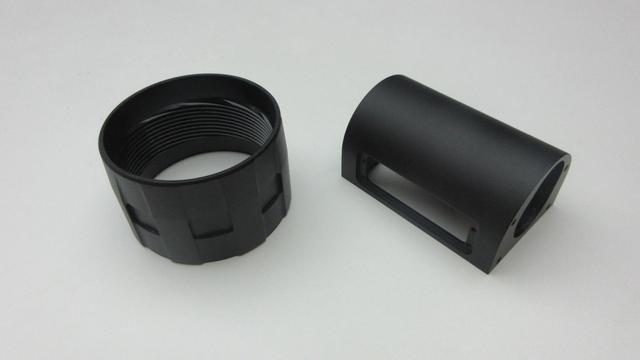
Engineered with precision for a wide array of industrial applications including automation, telecommunication systems, and automotive electronics.
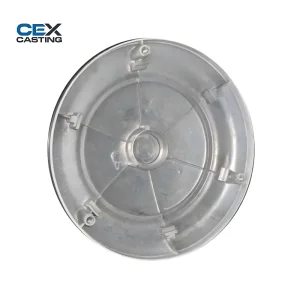
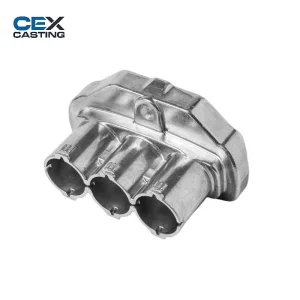
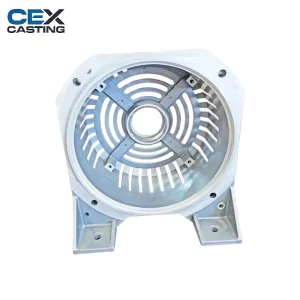
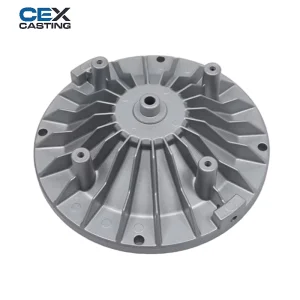
Technical insights on design specifications, material behaviors, and logistical workflows for the Gitarama and East African industrial markets.
Partner with Ningbo Singer Cast for high-performance, cost-efficient die-casting solutions engineered for the challenging climates of the Gitarama market.
Send Inquiry Now Singer Cast