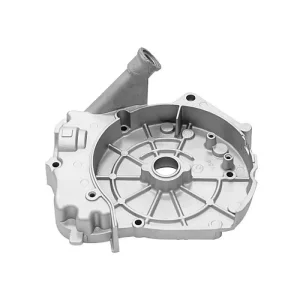
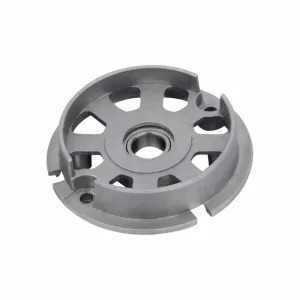
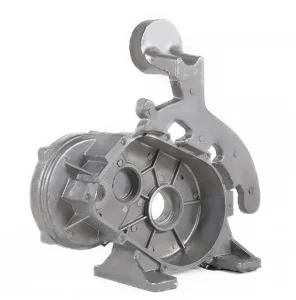
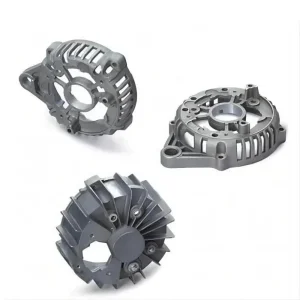
Boston, Massachusetts, often celebrated for its historical prestige, has evolved into a global epicenter for advanced manufacturing and materials science. As the "Hub" of technological innovation, the demand for high-precision components has never been greater. Low Pressure Die Casting (LPDC) has emerged as the preferred methodology for Boston’s leading aerospace, defense, and medical device companies.
From the laboratories of MIT in Cambridge to the industrial corridors along Route 128, LPDC technology is bridging the gap between prototyping and mass production. Unlike traditional high-pressure casting, LPDC allows for a controlled, laminar flow of molten aluminum, resulting in components with superior mechanical properties and minimal porosity—essential requirements for the high-stakes industries operating in the Boston metropolitan area.
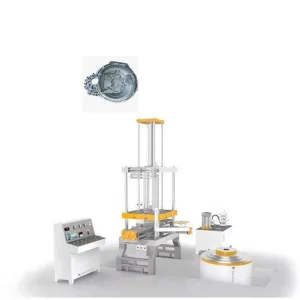
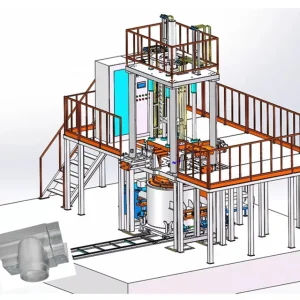
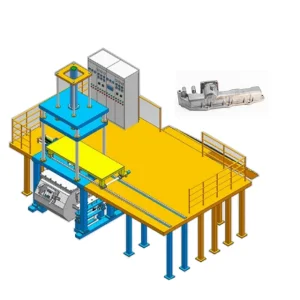
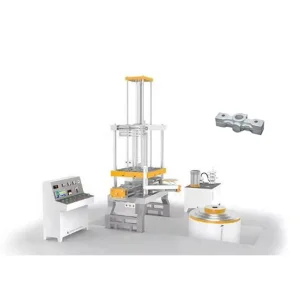
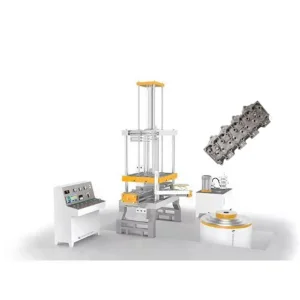
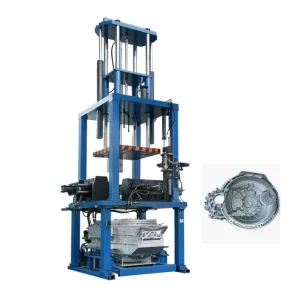
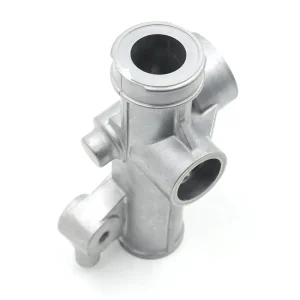
As a leading supplier for the Boston market, our LPDC processes are engineered to meet the stringent standards of modern New England industry. The Low Pressure Die Casting process involves placing a hermetically sealed furnace below the mold. Molten metal is pushed upward through a riser tube by dry air at low pressure (usually 0.2 to 0.7 bar). This "bottom-up" approach ensures that the mold is filled with absolute precision, excluding turbulence and air entrapment.
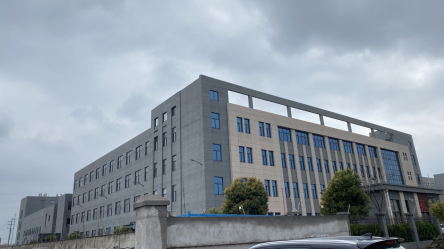
Ningbo Singer Cast Co., Ltd. is a professional die casting manufacturer specializing in aluminum, zinc, and precision metal components for a wide range of industrial applications. With years of experience in the metal manufacturing industry, the company has built a strong reputation for delivering high-quality, cost-effective solutions to global customers, including those in the Boston tech corridor.
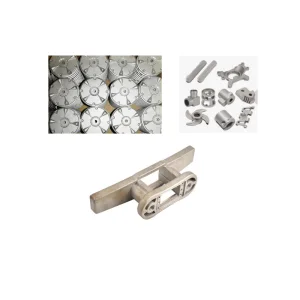
Singer Cast provides a comprehensive range of services, including high-pressure die casting, mold design and development, CNC machining, surface finishing, and assembly. Its products are widely used in industries such as automotive, electronics, lighting, machinery, and consumer goods, meeting diverse requirements for durability, precision, and performance.
Equipped with advanced production facilities and supported by a skilled engineering team, Ningbo Singer Cast focuses on continuous innovation and process optimization. The company ensures strict quality control at every stage of production, complying with international standards like ISO 9001 and IATF 16949.
Contact Our Engineers
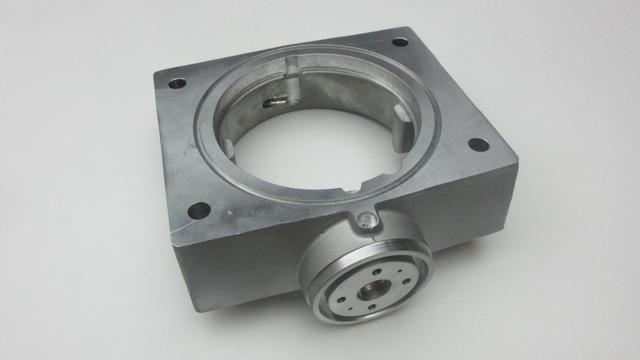
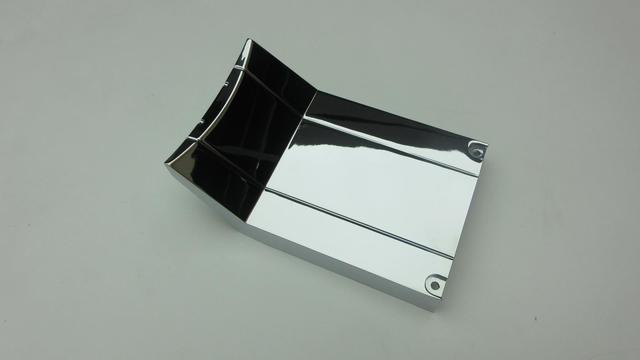
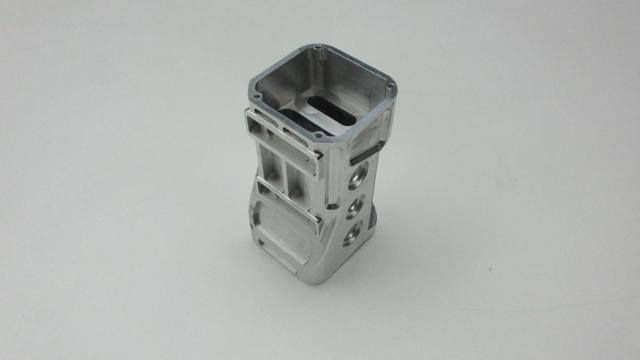
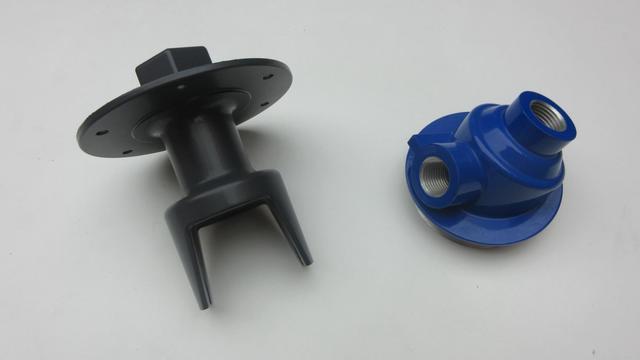
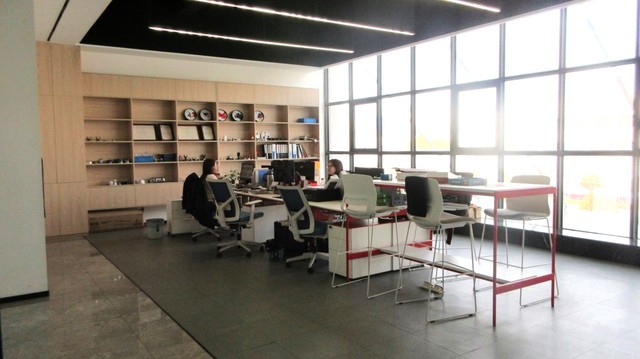
The LPDC industry in 2024 and beyond is being reshaped by Industry 4.0. In Boston, where software meets hardware, we are seeing a rapid integration of AI-driven simulation tools. These tools allow our engineers to predict solidification patterns and thermal gradients before a single drop of aluminum is melted. This "digital twin" approach dramatically reduces lead times for our Massachusetts-based clients, ensuring that "Time to Market" is minimized.
Furthermore, Sustainability is a core driver. As Boston pushes toward aggressive carbon-neutral goals, our LPDC factory is implementing energy-efficient holding furnaces and closed-loop recycling for aluminum scrap. By choosing LPDC over traditional methods, manufacturers can achieve a higher "Buy-to-Fly" ratio, which is crucial for reducing the environmental footprint of aerospace and electric vehicle (EV) supply chains.
Our LPDC components serve specific, high-tech clusters throughout the Greater Boston Area:
In Waltham and Burlington, precision LPDC housings are used for MRI scanners and surgical robotics where electromagnetic shielding and structural rigidity are paramount.
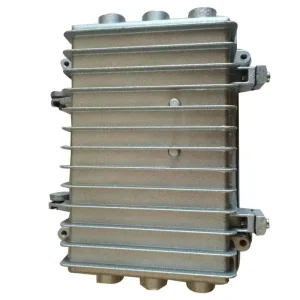
Supporting contractors near Hanscom AFB, our ZL104 and A356 aluminum castings provide lightweight solutions for drone frames and communication satellite housings.
As the Boston Seaport transforms into a hub for green tech, our LPDC gear boxes and battery enclosures are powering the next generation of urban electric transport.
Whether you are in the early stages of design or ready for full-scale production, our team of LPDC experts is here to provide the technical expertise, reliability, and precision you deserve. We understand the Boston market's need for high-performance metal components that can withstand the test of time and innovation.
 Singer Cast