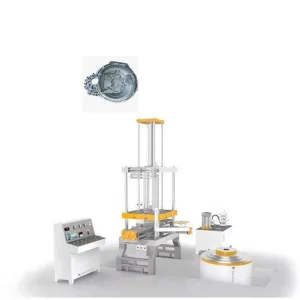
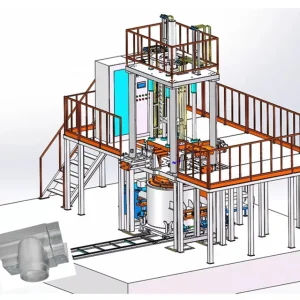
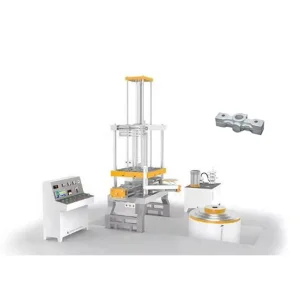
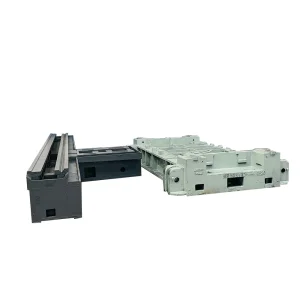
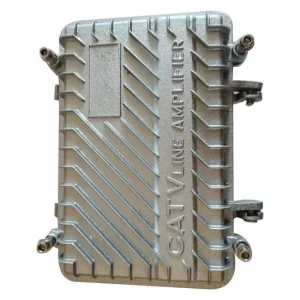
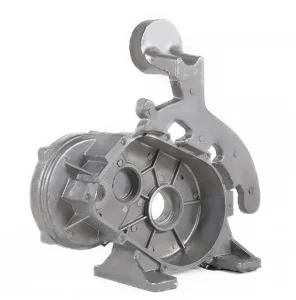
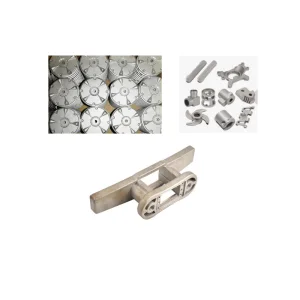
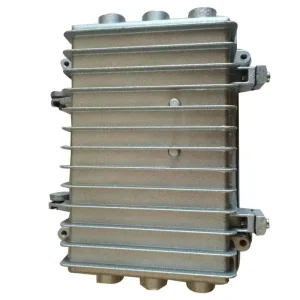
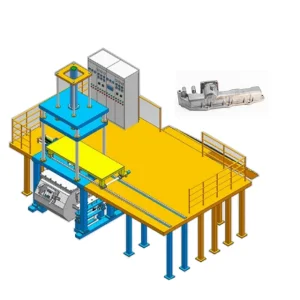
Engineered to elevate manufacturing efficiency, our low-pressure die casting setups are designed for rigorous production environments in the Baltic mechanical engineering sector.
Latvia’s mechanical engineering and metalworking sectors form a vital foundation of the Baltic region's economic architecture. Driven by the Association of Mechanical Engineering and Metalworking Industries (MASOC), the nation is undergoing a profound structural transition. Traditional heavy steel manufacturing is increasingly being replaced by high-value, lightweight materials like magnesium and advanced aluminum alloys.
This shift is particularly critical as Latvian enterprises align with EU decarbonization directives, seeking lighter components to improve energy efficiency in automotive, logistics, and telecommunications sectors. Local factories in cities like Riga, Liepāja, and Ventspils are upgrading their supply channels, requiring high-integrity components that meet strict tolerances without prohibitive in-house capital expenditures.
Explore Local Case StudiesChoosing the correct casting methodology is essential to optimizing structural integrity, tool life, and capital expenditure.
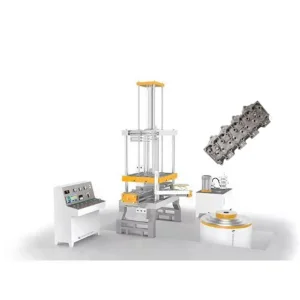
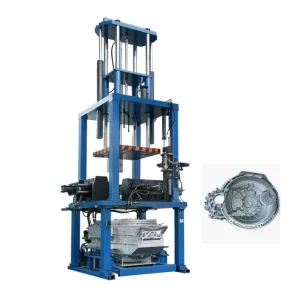
LPDC utilizes low pressures (typically 0.02 to 0.07 MPa) to push molten metal from a lower holding furnace upward into the mold cavity. This controlled, bottom-up filling minimizes air entrapment and turbulence, resulting in high metallurgical density.
HPDC injects molten metal under extreme velocity and high pressure into steel dies. It is highly optimized for thin-walled parts that require tight dimensional stability at high volumes.
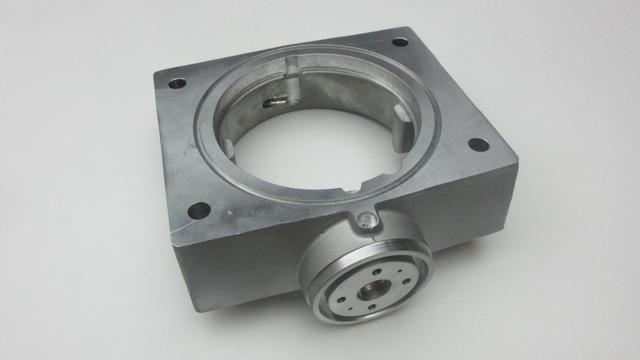
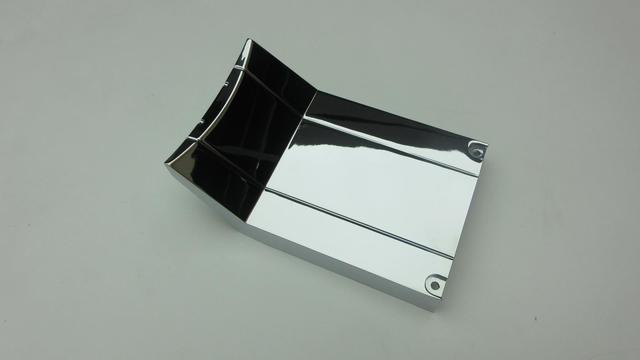
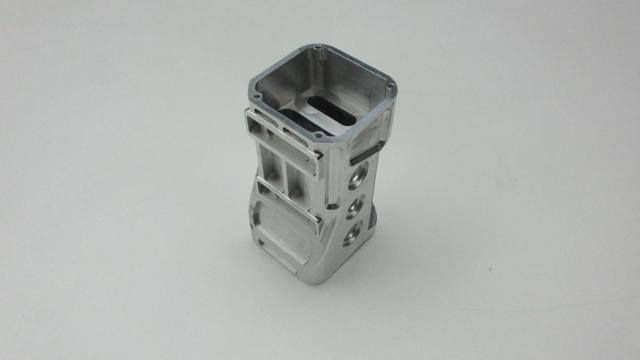
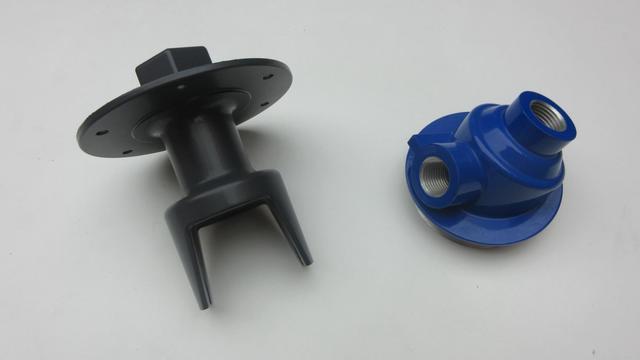
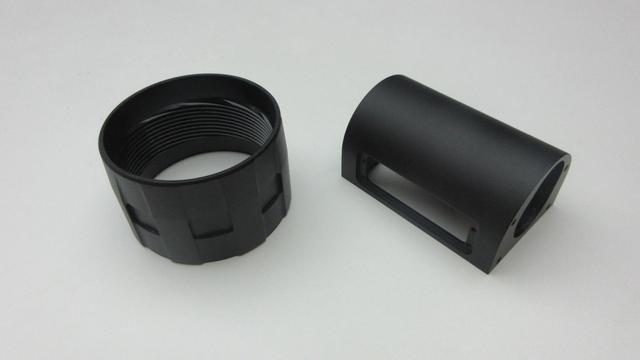
Ningbo Singer Cast Co., Ltd. stands as a premier manufacturer specializing in precision aluminum, zinc, and magnesium metal casting. Through our smart-factory infrastructure in Ningbo, we offer Latvian clients access to advanced casting processes, precision CNC machining, and automated surface treatment pipelines.
By using real-time quality tracking and automated material dosing systems, we minimize variation across production runs. Our proximity to the Port of Ningbo guarantees seamless, multimodal freight routes directly to the Baltic states via major northern European ports, ensuring highly competitive lead times and delivery schedules.
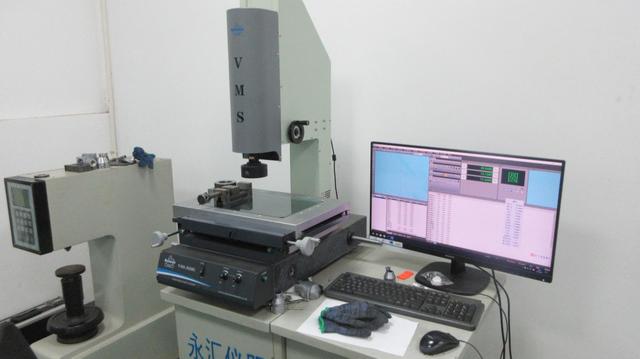
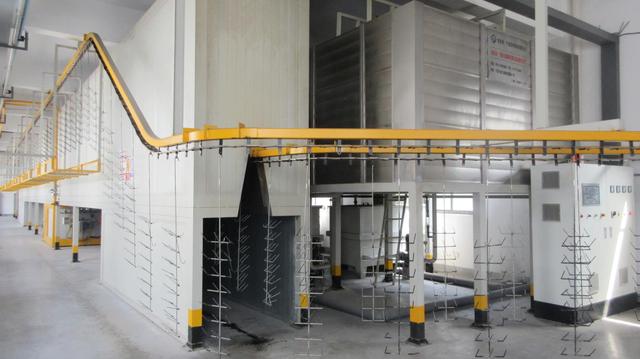
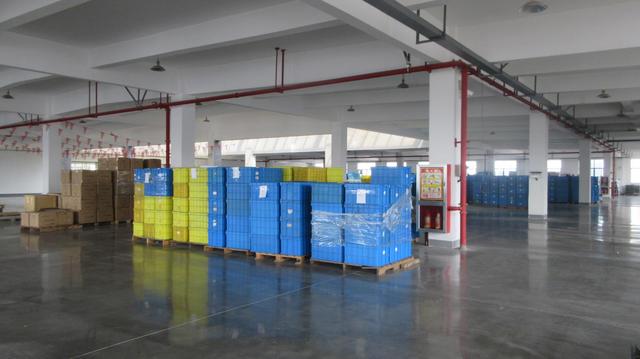
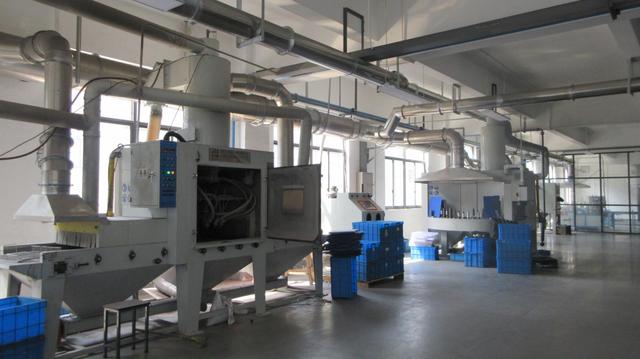
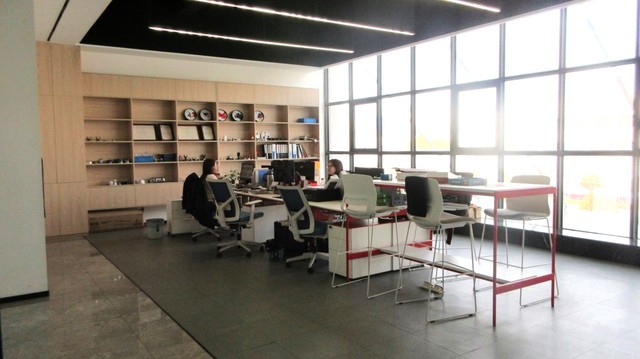
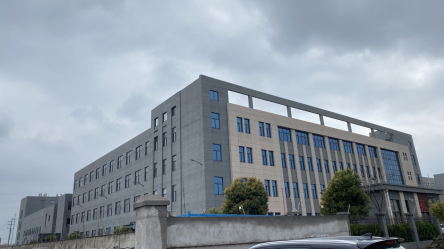
View Facility CertificationsOur production facilities utilize modern casting setups, high-precision machining centers, and comprehensive testing laboratories. Below are real-time views of our factory floors and operational areas:
Streamlining international sourcing requires full compliance with European standards and reliable freight infrastructure.
Every casting run meets strict European directives, including RoHS, REACH, and WEEE regulations. Our facility uses advanced filtration to capture emissions, and we source recycled, traceable alloys to assist clients with future EU Carbon Border Adjustment Mechanism (CBAM) declarations.
Our quality management system is fully certified to IATF 16949 and ISO 9001. We maintain comprehensive documentation, including PPAP Level 3, FMEA analysis, and material spectrography certificates, ensuring full traceability from raw ingot to final delivery.
By leveraging established sea-rail shipping networks, we coordinate deliveries directly to logistics hubs in Riga, Liepāja, and Ventspils. We handle all export documentation and work with local customs brokers to ensure efficient clearance at European Union entry points.
Technical answers to help engineers and procurement managers evaluate our casting processes.
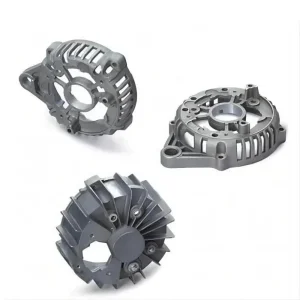
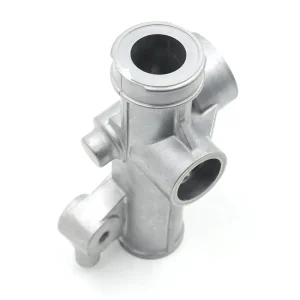
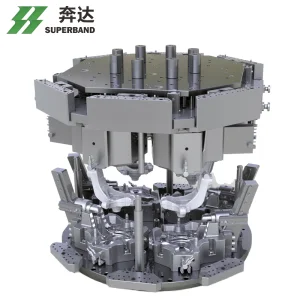
Explore our complete catalog of industrial casting machinery, structural molds, and customized castings supporting Latvian projects.
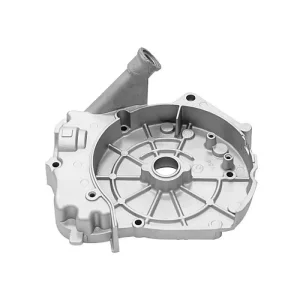
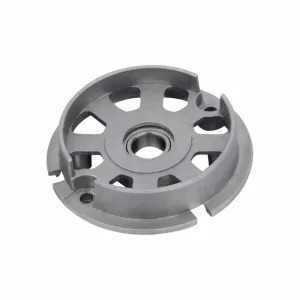
Contact our engineering support team to discuss material selections, draft angles, mold designs, or custom logistics arrangements for your business in Latvia.
Send Inquiry Now Singer Cast